
Fort Wayne's Premier Landscape Team
Aeration and Overseeding Services in Fort Wayne
Thicker turf, healthier roots, better curb appeal, starting below the surface.
The Issue Rarely Sits on Top — It Lives Beneath.
What Compacted Soil Is Doing to Your Lawn
After a rough season, a lawn that once looked full can start to thin out. It happens more often than most expect. In Fort Wayne, compacted soil builds fast under foot traffic and heat, and that pressure leads to serious soil compaction below the surface.
Air can’t move, water sits or runs off, and nutrients struggle to reach the grass roots.
- bare spots that never seem to fill in
- brown patches that return each year
- an existing lawn that feels tired, even with regular care
Fix the soil, and the lawn follows. That’s where aeration steps in.
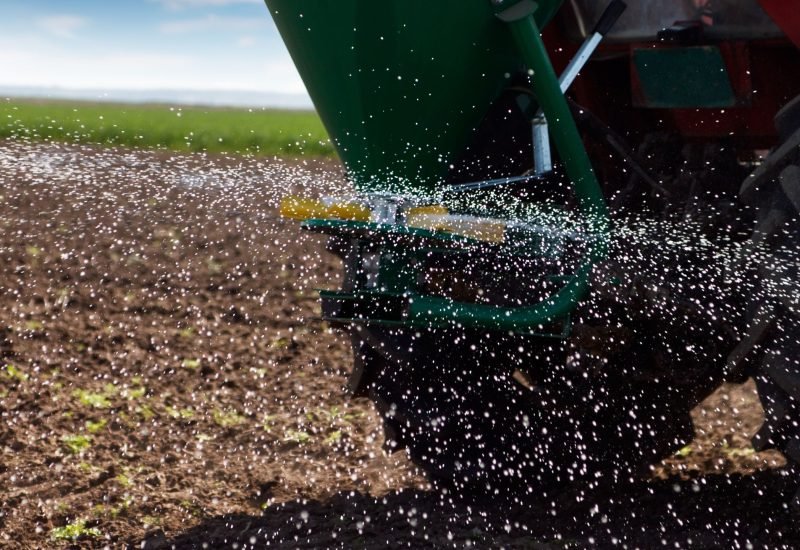
Core Aeration
The Foundation of a Healthier Lawn
True core aeration goes deeper than surface fixes, targeting the problem where it starts. Our lawn aeration process uses commercial equipment fitted with hollow tines that pull small plugs from the soil. That matters more than most realize.
Why Core Aeration Works Better Than Surface-Level Methods
Some methods rely on simple hole punching. That approach presses soil sideways and can worsen compaction over time. On the other hand, removing cores does the opposite. It opens space and helps reduce soil compaction at the root level. It’s a small shift with a big payoff.
How Aeration Improves Root Development
Once those channels open, everything changes. Air, water, and nutrients move freely again, supporting stronger root growth. Nutrient uptake across the lawn is improved! The result is a healthier root system that can handle stress without breaking down. We approach aeration with precision, not guesswork. Every pass is deliberate, and that difference shows up later in the season.
Choosing the Right Grass for Fort Wayne Lawns
For density. Builds a rich, full surface that holds color and structure through the season.
For quick fill. Establishes fast to close bare spots before weeds move in.
For durability. Handles Indiana's seasonal shifts without thinning under stress.
Not every lawn responds the same. We match seed blends to local conditions using cool-season grasses suited for Indiana’s climate.
Overseeding
Build a Thicker, More Resilient Lawn
Timing becomes critical after aeration. What overseeding does is take advantage of those open channels in the soil. Fresh grass seed settles where it needs to be, not where it hopes to land.
The holes created during aeration give new grass seed direct contact with soil, improving germination and reducing wasted seed. More seeds taking hold equals more growth.
A thick lawn does more than look good. It crowds out competition and leads to fewer weeds over time.
Dense turf wins.
Timing Shapes the Outcome More Than Most Expect
Why Fall Is the Best Time to Aerate and Overseed in Fort Wayne
In late summer and early fall, conditions line up in your favor. The summer heat starts to fade. Soil stays warm, but air temperatures cool down. That balance supports strong root activity in cool-season grasses.
We usually recommend an August through October window. It offers the best shot at optimal results. As weed pressure drops and moisture levels improve, growth remains steady.
Spring can work, but fall gives your lawn a head start that lasts. And that edge matters going into the next season.
Good Results Don't Stop at Service Day
What to Expect After Aeration and Overseeding
What happens next plays a role too. We provide clear guidance based on your property, not guesswork and generic instructions. Just proper maintenance that fits your lawn.
First 2 Weeks After Service
The important thing is to keep the surface moist. Water lightly and often, rather than soaking everything at once. That steady moisture helps new grass establish evenly. Consistency beats volume here.
Mowing and Fertilizing Guidelines
Hold off on cutting too soon. Let the lawn grow a bit longer before regular mowing begins. Wait before adding fertilizer as well. New seedlings need time to establish before any added pressure.
We provide clear guidance based on your property. We don't do guesswork and generic instructions. Just proper maintenance that fits your lawn.
FAQs
Frequently Asked Questions
When should I aerate and overseed my lawn in Fort Wayne?
Early fall works best for our cool-season grasses. Schedule between August and October. Cooler temperatures help roots grow strong with less weed pressure. You get optimal results this way.
Does lawn aeration really make a difference?
Yes, core aeration reduces soil compaction effectively. It opens channels so air, water, and nutrients reach deeper. Your grass develops a healthier root system and tougher turf overall.
How long does it take for new grass to grow after overseeding?
New grass usually sprouts in 7 to 21 days. Timing depends on the grass type and weather conditions. Keep soil moist during this period for best germination success.
Can I mow my lawn after overseeding?
Wait until the new grass reaches mowing height. Then it should be cut slightly longer for the first few times. This protects young seedlings while they establish strong roots.
Seasonal Availability Fills Quickly
Get Professional Aeration and Overseeding in Fort Wayne
Strong lawns start below the surface. Each property receives a tailored plan using proven overseeding services designed for Fort Wayne conditions.