
Fort Wayne's Premier Landscape Team
Premier Lawn Fertilization Services
Bespoke Turf Nutrition for Fort Wayne Estates
The Standard of Estate Lawn Care
Stop babysitting your grass. Start managing an asset.
A lawn should never feel like a chore. It’s something that builds value and frames your entire property.
Many homeowners would often throw down a bag of lawn fertilizer and hope for the best. We don’t work that way. A truly thriving lawn takes science. It takes a tailored approach that matches your soil, your grass, and your goals.
Think of your yard as the foundation. Everything else—the plants, the trees, the outdoor living space—sits on top of it. Remember, a healthy, thriving lawn doesn’t happen by accident. It happens when you stop guessing and start managing. Lawn fertilization becomes an investment, not an expense.
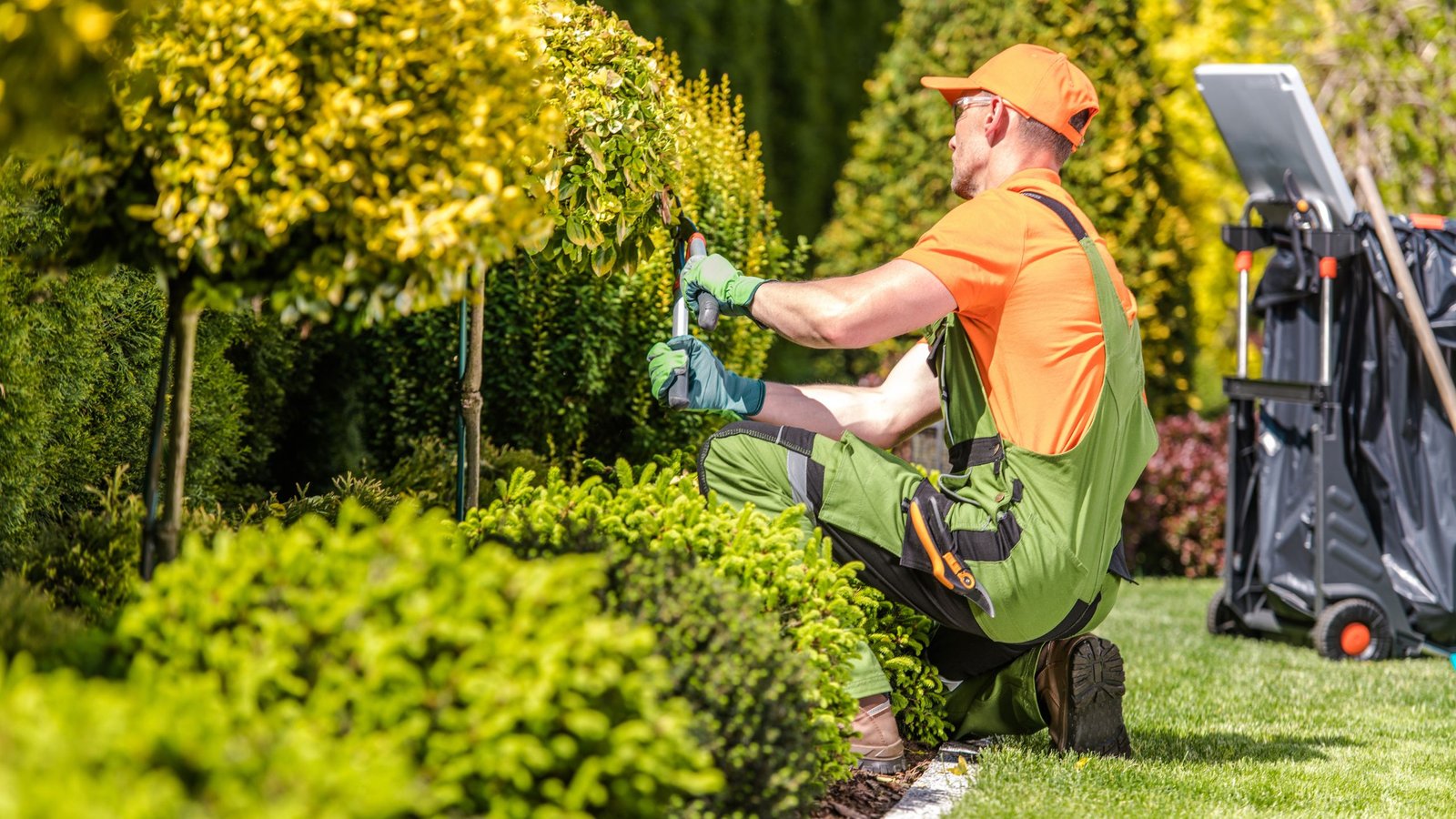
The Robinson Method
Granular vs. Liquid Fertilization
The health of your lawn depends on more than luck. It depends on a plan. Here is how we build one.
Precision Nutrition Through Soil Testing
We start every single plan with a soil test. This isn't a quick fix — it's diagnostics. We measure nitrogen, phosphorus, and potassium levels. Then we look at square footage, drainage, and sun exposure. Soil with too much nitrogen is a fast way to grow weak, thirsty grass. We use essential nutrients in the right balance for your property. The soil tells us what's missing. We simply listen. Then we deliver exactly what your lawn requires. No more, no less. Guessing is expensive. A soil test is cheap.
Custom Solutions for Northeast Indiana Turf
Fort Wayne doesn't play nice with just any grass. Cool-season grasses rule here — specifically Kentucky bluegrass and fine fescues. We design every fertilization schedule around our local climate and growing season. Early spring applications wake things up gently. Early summer feeds manage summer heat stress. New grass needs different food than established turf. We adjust timing, rates, and grass types accordingly. Your lawn gets what it needs when it needs it. A calendar from Florida won't work here. We know Indiana.
Slow-Release Stability
We reach for slow-release fertilizer most of the time. Why? Because slow release feeds at a steady pace. No spikes and no crashes. This builds deep root growth and long-term health. A balanced fertilizer gives you consistent green growth without forcing the plant to run on empty. Think of it like a slow cooker instead of a microwave.
Liquid Precision When It Matters
Then there are moments for liquid fertilizer. When turf is actively growing hard in late spring, quick release fertilizer through a sprayer gets absorbed fast. We don’t use granular fertilizer everywhere. We don’t use liquid as a blanket, either. Knowing when to apply fertilizer and which type makes all the difference. Every fertilizer application has a purpose. We choose the tool for the job.
Fertilization alone won't save you
Integrated Weed and Pest Protection
That’s a hard truth. Weeds and pests will steal every bit of food you put down. So we combine weed control with pest control in one unified system.
This ensures nutrients go to grass, not dandelions. We fill bare spots so invaders have nowhere to hide. And when you grow thick turf, it naturally crowds out the bad actors. Strong roots from proper feeding also resist grubs and disease.
This layered approach promotes deep root growth and saves you from playing whack-a-mole with problems all summer.
Feed the grass. Starve the weeds. Crush the bugs—simple.
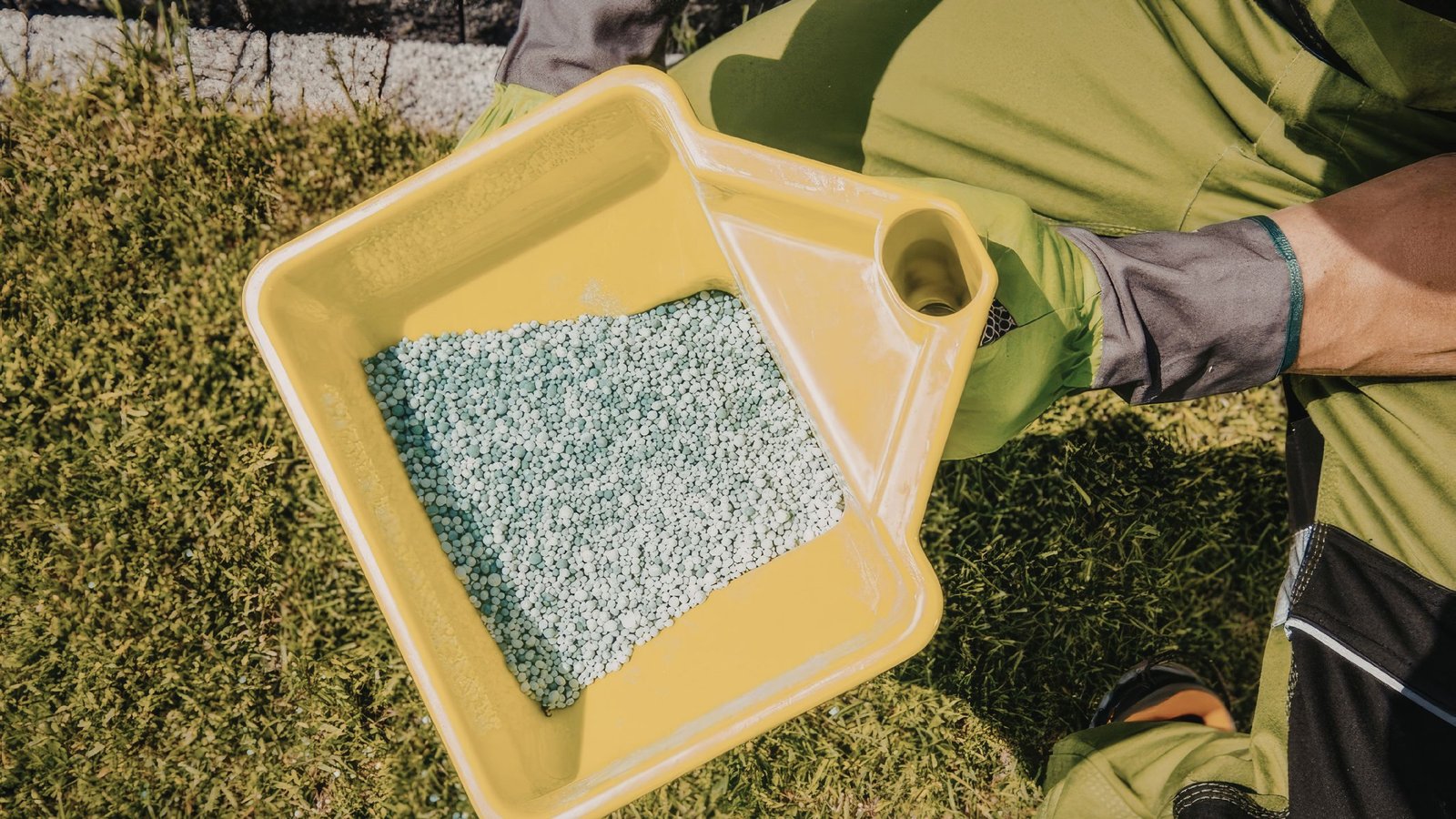
Seasonal Lawn Fertilization Strategy
Four Feedings. Four Seasons. One Gorgeous Lawn.
Actively growing grass from March to October needs four distinct feeding windows. Miss one and you’ll see it. Hit them all? Your neighbors will ask what your secret is.
Spring
Wake Up Gently
Spring arrives and your lawn wakes up hungry. We fertilize with a light touch to start the season right without forcing early stress.
Early Summer
Manage the Heat
Summer heat rolls in. We switch to stress management — feeding turf what it needs to hold up without burning out.
Fall
Build Root Strength
This is the big one. Fertilizing in autumn builds root strength before first frost. A well-fed lawn sleeps better and explodes next spring.
Winter
Store Energy
When frost hits and winter dormancy begins, a well-fed lawn stores energy so it comes back strong in spring with almost no effort from you.
FAQs
Frequently Asked Questions
How often should you fertilize your lawn in Indiana?
We recommend four targeted applications per year for cool season grasses common in our region. This schedule follows the natural growing season and matches our local climate, so your grass receives nutrients when it needs them most without stress.
What is the best fertilizer for Kentucky bluegrass?
The best fertilizer for Kentucky bluegrass comes from results of a proper soil test rather than a store shelf recommendation. We focus on balanced nutrients that match your specific soil conditions instead of pushing generic products.
Is liquid or granular fertilizer better for lawns?
Neither one is universally better. We choose granular fertilizer for steady feeding and liquid fertilizer for quick support depending on timing and current lawn condition.
When should lawn fertilization stop before winter?
We complete the final lawn fertilization in fall well before the first frost to strengthen roots for winter dormancy. This last application prepares your grass for spring without encouraging tender late-season growth.
Ready to Stop Guessing? Let's Talk Turf.
Partner with Fort Wayne’s Premier Lawn Care Specialists
You don’t need another lawn service that drops fertilizer and leaves. You need a partner. Let’s build a custom nutrition plan so your lawn fertilization services actually work.