

Landscaping pays you back in a way most home projects can’t match. Realtors nationwide report that a well-planned overall landscape upgrade recovers roughly 100% of its cost at resale, and ongoing landscape maintenance can push that recovery past 104%.
From our experience, that number surprises a lot of homeowners who still think of the yard as an afterthought. A home landscape in Fort Wayne isn’t a weekend chore you knock out before company arrives.
It’s part of the property itself, built and maintained the same way you’d treat a roof or a foundation.
This guide walks through three phases every homeowner should understand: planning a landscape that fits the land, building it correctly the first time, and protecting that investment for years to come.
Every stage builds on the last, and this guide fits into a bigger picture too. If you’re just getting your bearings, our basic landscaping article covers the fundamentals worth knowing first. Ready to go further?
Landscaping for beginners picks up where planning leaves off and walks through your first real project. And if you want the full roadmap from start to finish, our landscaping 101 guide ties every stage together in one place.
Short Summary
- A well-planned home landscape boosts daily enjoyment and builds long-term property equity.
- The design-build process covers three phases: assessing your yard, creating a landscape plan, and professional installation.
- Fort Wayne’s clay soil, freeze-thaw cycles, and Zone 6a climate demand thoughtful plant and material choices.
- Proactive seasonal care protects your investment better than reactive fixes.
- Local rules like the nine‑inch turf height ordinance help preserve property value and neighborhood appeal.

Building a Home Landscape in the Fort Wayne Area
Good landscape design starts underground, not with a plant list. Skip this step and you’ll fight the same problems every spring.
Assessing Your Yard’s Conditions
One thing to keep in mind is that northeast Indiana clay soil holds water like a sponge. That means drainage has to come first, before a single shovel hits the dirt.
We always assess three things on a property walk: drainage patterns, sun exposure, and soil composition. A shady north-facing yard behaves nothing like a sun-baked slope on the same lot.
For example, a client’s backyard pooled water every April until a simple grading fix solved it in one afternoon.
Choosing Materials for Midwest Weather
Fort Wayne swings from humid summers to brutal winters, and your materials need to handle both. Native plants and regionally hardy trees shrug off freeze-thaw cycles better than imports do.
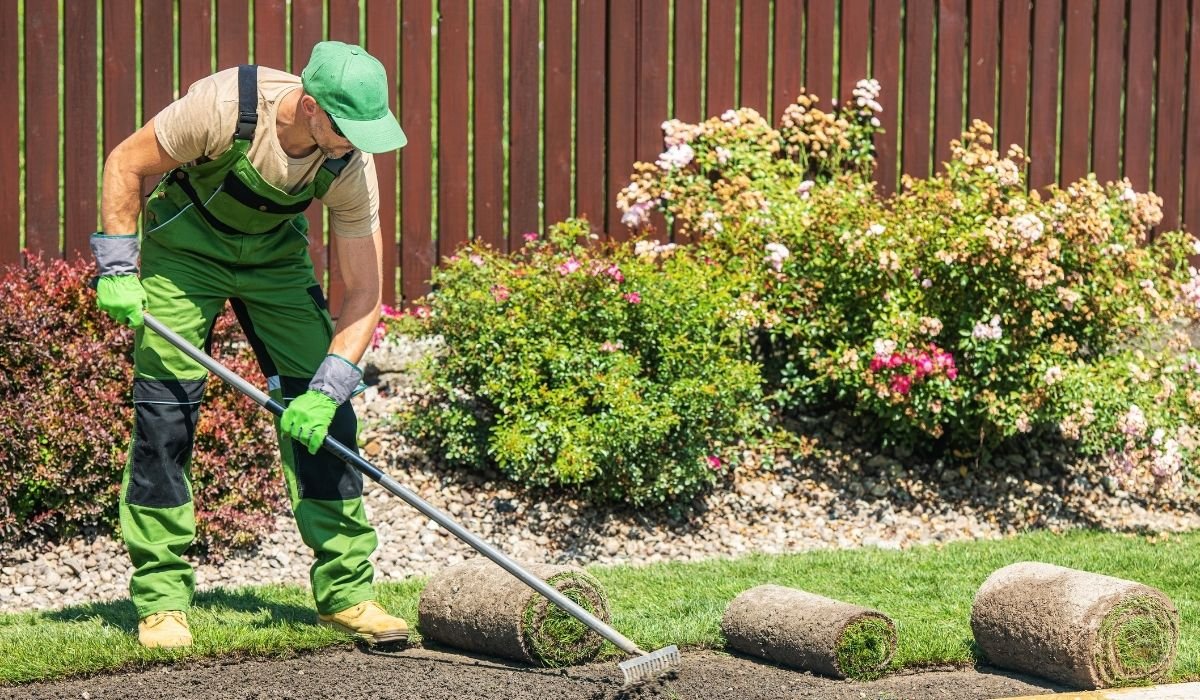
Turf choice matters too. Sod gives you an instant lawn, while seed costs less and roots deeper over time.
Here’s a quick breakdown:
Sod: Fast results, higher upfront cost, ready to use within weeks
Seed: Lower cost, stronger root system long term, needs a full season to establish
Pick based on your timeline and budget, not just what looks good on day one.

The Design-Build Process, From Plan to Installation
Great landscapes rarely happen by accident. They start with a conversation and end with a plan everyone actually agrees on.
The Initial Consultation
Every project opens with a consultation. We walk the property, talk through lifestyle needs, and get honest about budget before anything gets drawn.
This visit uncovers opportunities most homeowners miss. A drainage issue might become a rain garden. An awkward slope might become a retaining wall with seating built in. Small details shape the whole project.
Let’s Bring Your
Vision To Life
From Drawing to Reality
Once the vision is clear, the landscape designer builds a landscape plan. Expect a round or two of revisions here. That’s normal, and honestly, it’s where the best ideas usually surface.
For example, a homeowner might request more privacy screening after seeing the first draft, which shifts the tree placement entirely. Once the plan is locked, the installation team takes over and brings it to life, phase by phase.

Protecting Your Landscape Investment
A finished landscaping project isn’t the finish line. It’s the starting point for years of care that keeps everything looking sharp.
A Structured Seasonal Schedule
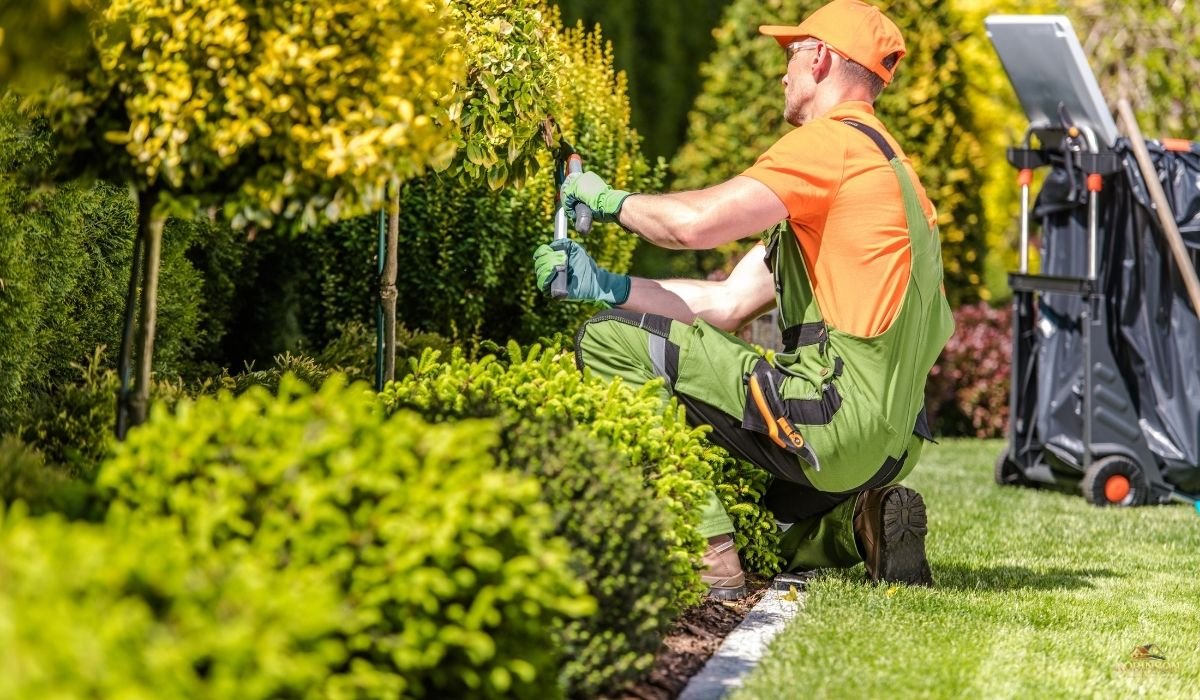
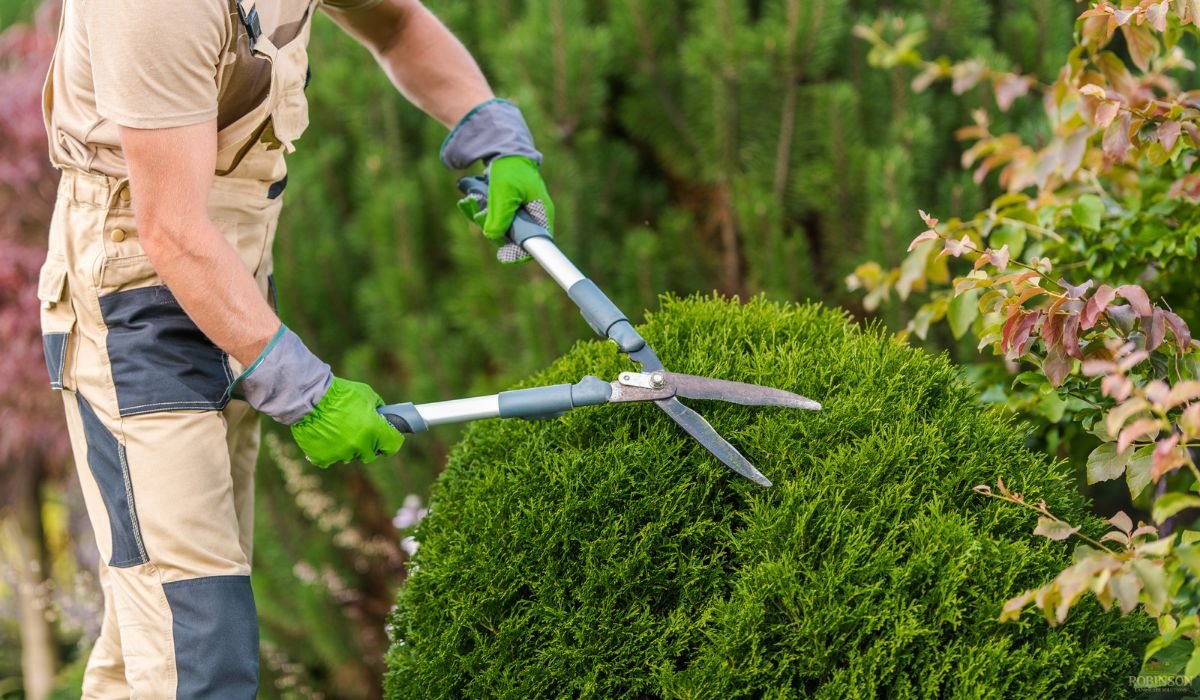
Reactive fixes cost more than prevention, every single time. Irrigation checks, soil nutrition, and pest management on a set schedule protect custom plant material before problems start.
For example, a mature hydrangea bed can decline within one season if nutrient levels slip unnoticed. Catching that early is far cheaper than replacing it later.
Local Rules and Long-Term Value
Fort Wayne enforces a nine-inch turf height rule under its city nuisance ordinance, and violations can lead to fines or a city-ordered mow at the owner’s expense. If you can stay ahead of that, it’s one less thing to worry about.

Ongoing care does more than avoid citations, though. It protects retaining walls from frost heave and keeps mature plantings healthy, which keeps the property beautiful and the equity intact.
That’s the kind of work good landscapers handle quietly, season after season, so you don’t have to think about it.
Final Thoughts
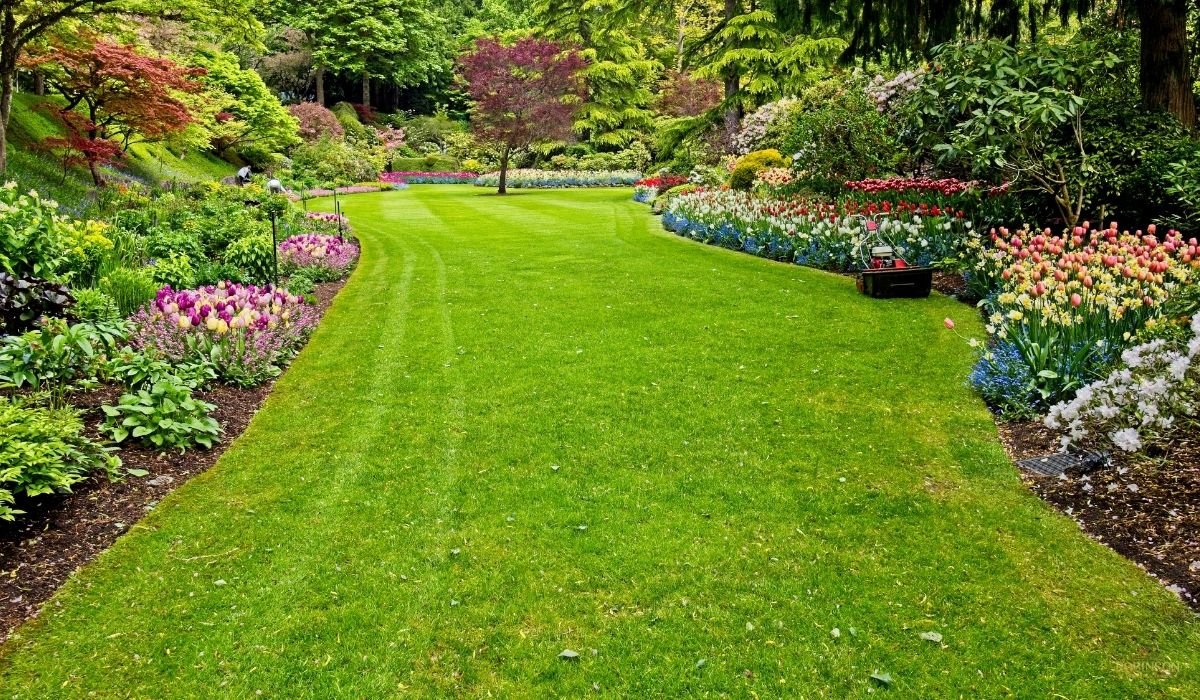
A thoughtful home landscape does more than look pretty. It gives you a space to enjoy with family and friends. It builds equity in your property. It makes coming home feel better. That’s what good landscaping delivers.
We’ve seen the difference firsthand. Homeowner after homeowner tells us how much they love their outdoor space once it works for them. That’s our favorite part of the job.
Ready to start your own project? Browse our portfolio for inspiration. Or send us an email to schedule a consultation. We’d love to hear from you. Visit our homepage to learn more about what we do.