Lawn Area Calculator — Instantly Measure Your Lawn’s Square Footage
Enter your property address to load a satellite view of your yard. Trace the edges of your lawn on the map and get your exact square footage in seconds — free, no sign-up required.
Satellite Accuracy
Bird’s-eye satellite imagery gives you precise measurements of any property.
Instant Results
Square footage and acreage calculated in real time as you draw.
100% Free
No login, no email, no credit card — use it as many times as you need.
Works on Any Device
Fully responsive — desktop, tablet, or mobile phone.
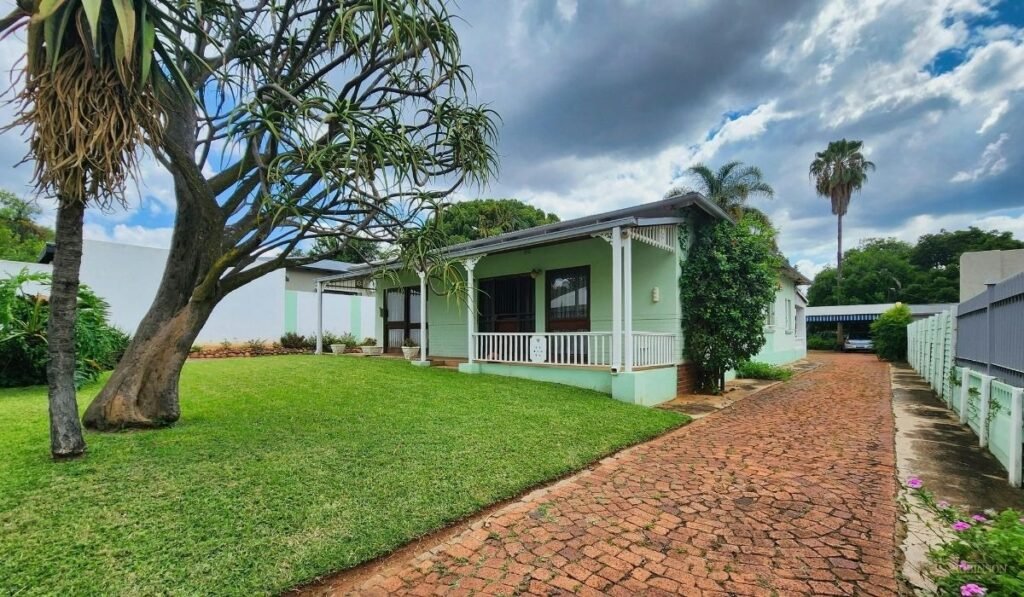
According to the National Association of Landscape Professionals (NALP), a well-maintained high-end lawn can add 15–20% to a property's resale value. That's not a small number.
From our experience, most Fort Wayne estates leave that value on the table simply because no one took the time to accurately calculate the total area of their grounds before making lawn care decisions. A proper lawn area calculator in Fort Wayne changes that.
This article walks through how to measure your lot with precision, subtract non-turf features, and use that data to protect your investment. Good planning starts with knowing your exact size.
For a complete picture, our lawn care calculator covers the full scope of grounds budgeting. We also break down turf options in our artificial turf cost calculator guide and go deeper on measurement methods in our lawn square footage calculator article.
Short Summary
- Measure first. Use a lawn area calculator with satellite view to get true square footage.
- Subtract hardscapes. Remove patios, flower beds, sidewalks, and trees from your lot total.
- Save money. Accurate lawn size prevents overpaying for fertilizer, water, and services.
- Verify bids. Your own dimensions let you check contractor quotes before signing.
- Upgrade to pro stewardship. Once you have the numbers, Robinson Landscape Solutions delivers precision execution.
The Foundation of Precision: Using a Lawn Area Calculator the Right Way
Here’s the truth. A one-time walkaround estimate won't cut it for a high-end estate. We need a repeatable, verifiable baseline. That baseline starts with a measure tool that any crew or contractor can trust.
From simple tool to strategic baseline
Think of the lawn area calculator as your property's first blueprint. Not a weekend DIY project, and not a rough guess. We treat it like a surveyor treats a transit. Large estates with rolling lawns, odd corners, and distant tree lines demand accuracy down to the foot. A 10% error on a five‑acre lot means half an acre of waste or shortage. That’s real money.
Think about it this way: a property with a 12,000 sq ft lot might have only 7,400 sq ft of actual turf. That gap — unaccounted for — turns into overbilling fast. We’ve seen service quotes inflated by 20–30% simply because no verified measure tool existed on file.

How to navigate modern measurement tools
Open Google Maps on any browser. Enter the address, then navigate to the satellite view. This is where the magic happens. Zoom in until you see individual trees and the driveway edge.
Now click or point to start your outline. Use the draw tool—choose line for straight edges, polygon for odd angles, or rectangle for that formal front lawn. The perimeter traces itself as you go. You can even measure the distance between two points. (We do this for long hedge rows.)
One pro tip: Google Earth handles elevation changes better than Maps. For a sloped estate, use Earth every time.
Let's Bring Your
Vision To Life
Mobile efficiency and practical controls
Standing on the lawn with a tablet? Good. Touch gestures make the job fast. Drag with one finger to the pan. Double tap to zoom in. A two‑finger pinch zooms out. The whole tool lives inside a free app or a desktop site. Same features, same accuracy.
We switch between metric and imperial units depending on the client. A landscape architect loves metric for hardscape plans, while a turf supplier wants square feet. A simple toggle lets you flip without re-measuring.
Which brings us to a weird truth: most people skip this step. Don't be like most people!
Refining Accuracy: Subtracting Hardscapes and Landscape Features
Raw square footage of your lot is useless for lawn care. We need the actual turf zone. Here’s how to strip away everything that isn't grass.
Why raw square footage isn't enough
Your lawn size is never the same as your lot size. Here, the subtraction method works every time. Start with the total area you traced. Then subtract every non‑turf section. That’s the number you write down.
Where do homeowners mess up? They forget the dozen flower beds, ignore the pool deck, or leave in the vegetable garden. One client last spring had a displayed lot size of 1.2 acres. After clearing out hardscapes, it only showed 0.81 acres of turf. That’s a 32% overestimation.
Here’s a question for you: Would you pay for 32% more seed than you need?
Identifying non-turf areas on your property
Walk your property with a notepad or a tool that allows selecting and deleting features. Look for:
- Patios and outdoor kitchens
- Sidewalk paths and driveways
- Flower beds (mulch counts as non‑turf)
- Trees with root zones you don't mow
- Play sets, pools, and sheds
Continue this process until the only covering left is grass. A shape that looks like a donut? That’s perfectly fine, we manage those every week!

Handling complex shapes with precision
Curved borders used to be a nightmare. Not anymore. Use the circle tool for round garden beds. Enter the radius and let the software do the math. For irregular lawns, draw a custom outline point by point. The figure updates as you go.
We once measured an estate with three separate turf zones connected by a winding path. The dimensions included a 60‑foot length of curved edge. The polygon tool handled it in four minutes. No measuring tape, and no string.
The weird thing is that most lawn care bids skip this precision. They round up, but we round down to reality. That’s the difference between a guess and a guarantee.
Protecting Your Investment: Why Precision Saves Money in 2026
Accurate measurement isn't a nerdy exercise. It's a financial shield. Here's how precise calculations protect your wallet and your property.
Eliminating Overestimation Costs
Inaccurate lawn size data is expensive. Contractors who work from rough estimates often calculate materials based on the full total area of a lot, not the actual turf zone. That gap gets passed directly to you.
To put a number on it: fertilizer applied to a 10,000 sq ft estimate when the real turf size is 7,000 sq ft means 30% waste on every single application. Multiply that across a full season. That's real money.
These are the cost categories most affected by measurement errors:
- Fertilizer and soil amendment coverage
- Irrigation system zone set up and runtime
- Seasonal lawn care contract pricing
- Sod and seeding material orders
Check your contractor's quoted area against your own measurements before signing anything. That one step alone keeps the bid honest.

Smarter Resource Allocation and Environmental Responsibility
Precision does more than protect your wallet. A 2024 Long Island Sound Study found that households on lots over one acre contribute 53% of total residential nitrogen runoff—largely because fertilizer applications aren't set to actual turf zones.
Fort Wayne properties near natural drainage areas face the same risk. Correct measurements mean fertilizer goes where grass actually grows. That's ideal for the lawn and responsible for the watershed.
Accountability and Data-Driven Decision-Making
Here's the kicker: your own calculations are leverage. When a service provider quotes a small adjustment job at a price that doesn't match your known total area, you have the data to push back.
Treat measurement as a financial account for your grounds. Ready access to verified square footage turns every vendor conversation into a fact-based negotiation, not a guessing game.
Beyond the Tool: When Precision Requires Professional Stewardship
A lawn area calculator gives you the numbers. What it can’t give you is a direction. That requires judgment, experience, and an understanding of what the property actually needs.
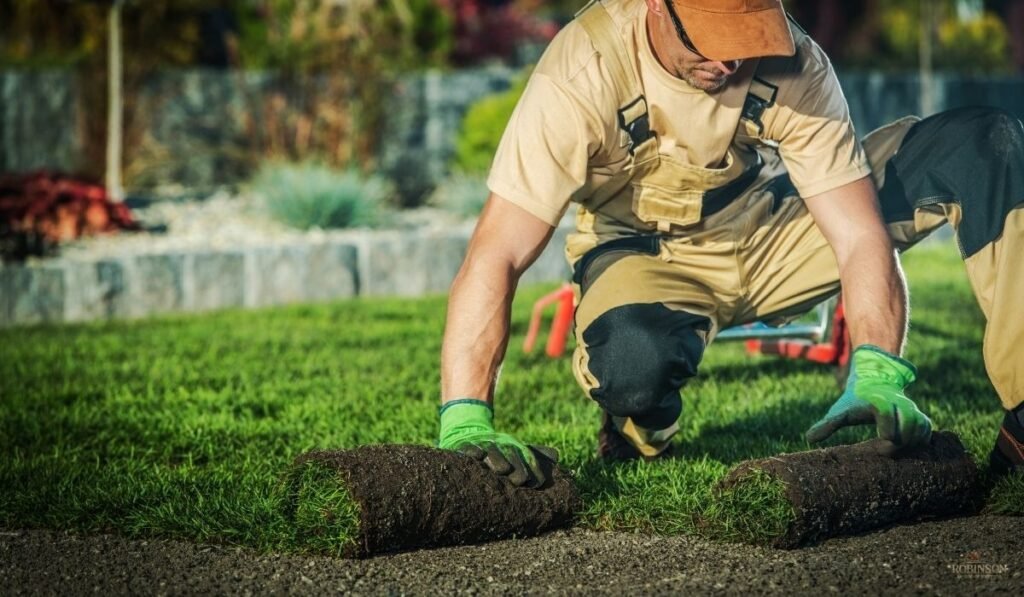
Where DIY Tools Reach Their Limit
Data is the starting point. Knowing your yard's exact size doesn’t tell you how Fort Wayne's clay-heavy soils affect drainage, or how to manage a multi-zone estate through a Midwest winter. Those are strategic calls.
A calculator cannot:
- Account for soil composition and compaction
- Create a seasonal planning calendar for your specific grounds
- Identify microclimates affecting turf health across a large lot
- Add context to what the numbers actually mean for maintenance
Which brings us to the real question: what do you do with accurate data once you have it?
Elevating from Measurement to Concierge-Level Execution
That's where Robinson Landscape Solutions comes in. Our team takes verified measurements and builds a designed grounds management plan around them—one built for your specific site, your yard's actual conditions, and the standard of care your property deserves.
Final Thoughts
Precision gives you control. Control protects your investment. That loop starts with one simple action: measure your property.
Grab a lawn area calculator. Calculate the true turf area. Use that number for smarter planning and better coverage on every lawn care application. You'll save money and stop guessing.
When you reach the limit of what a screen can show you, we're ready to help. Visit our website.
Let's turn your measurements into a masterpiece.