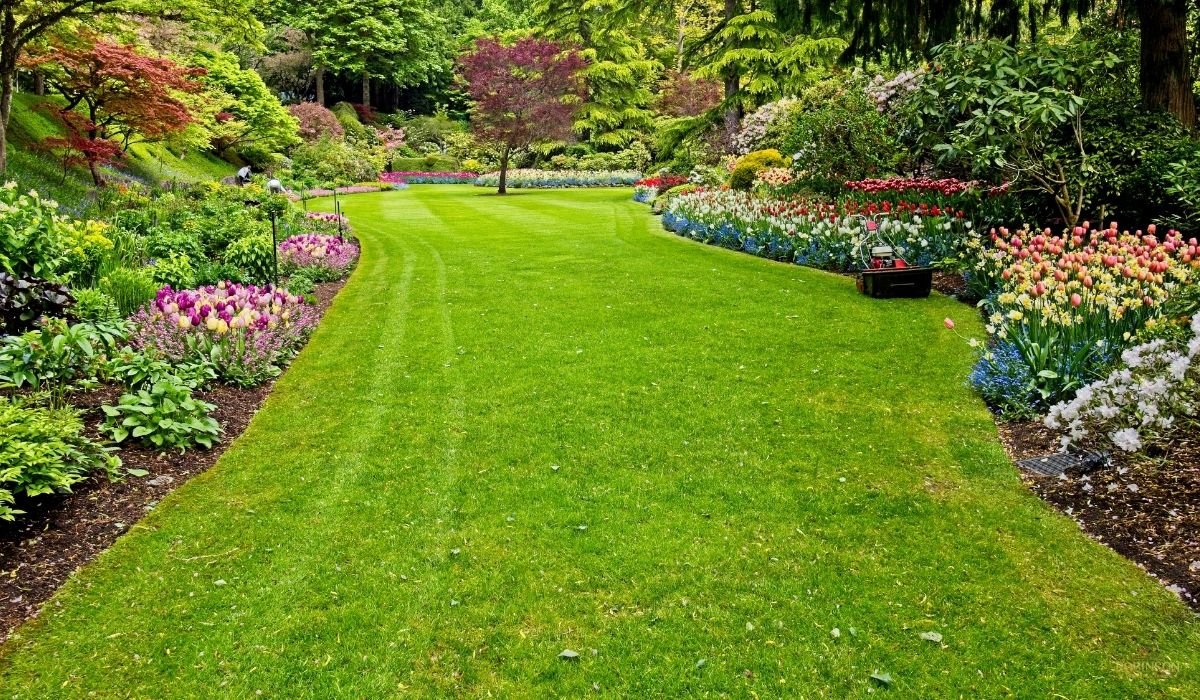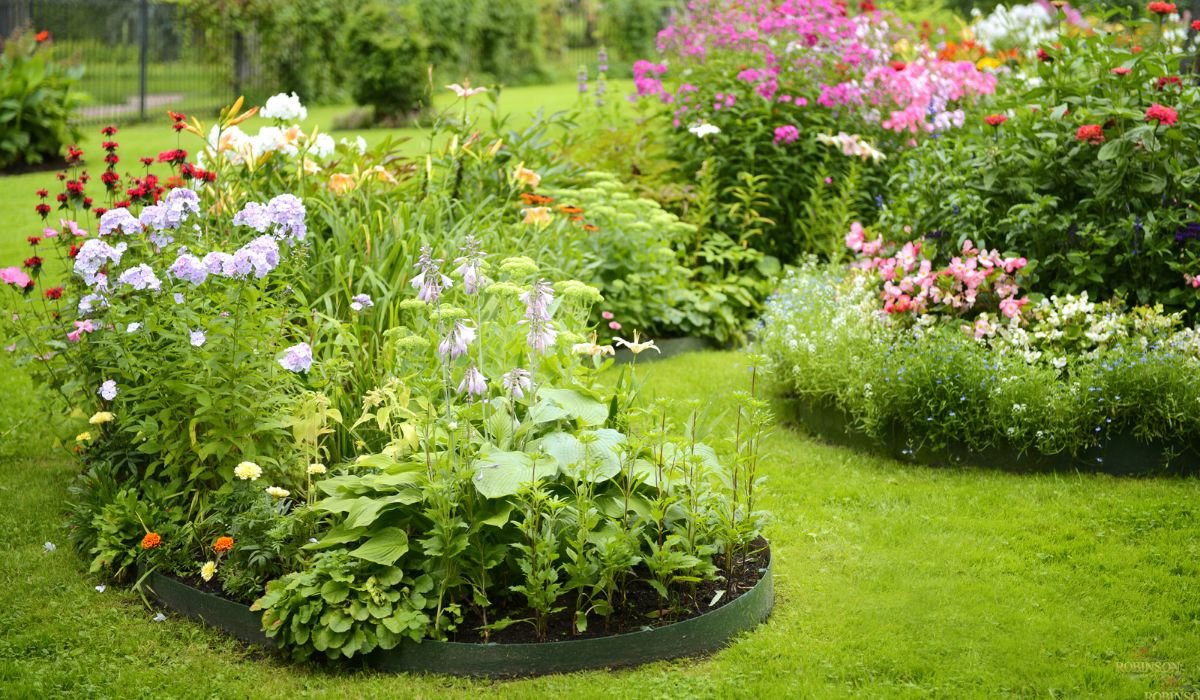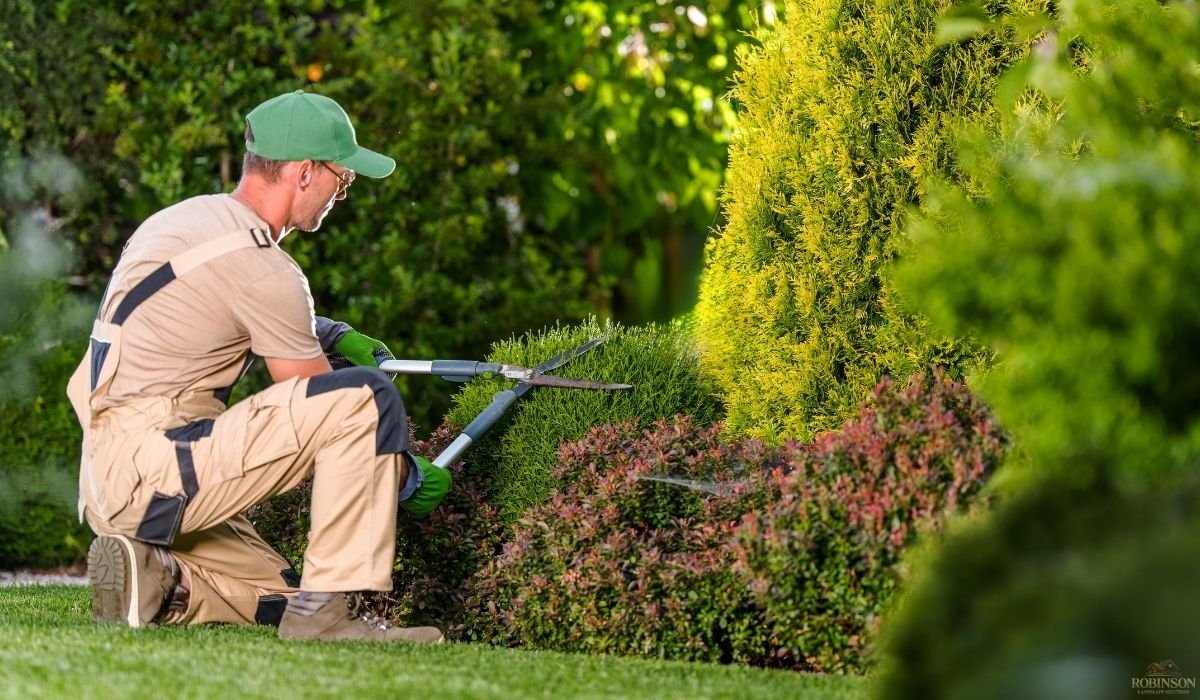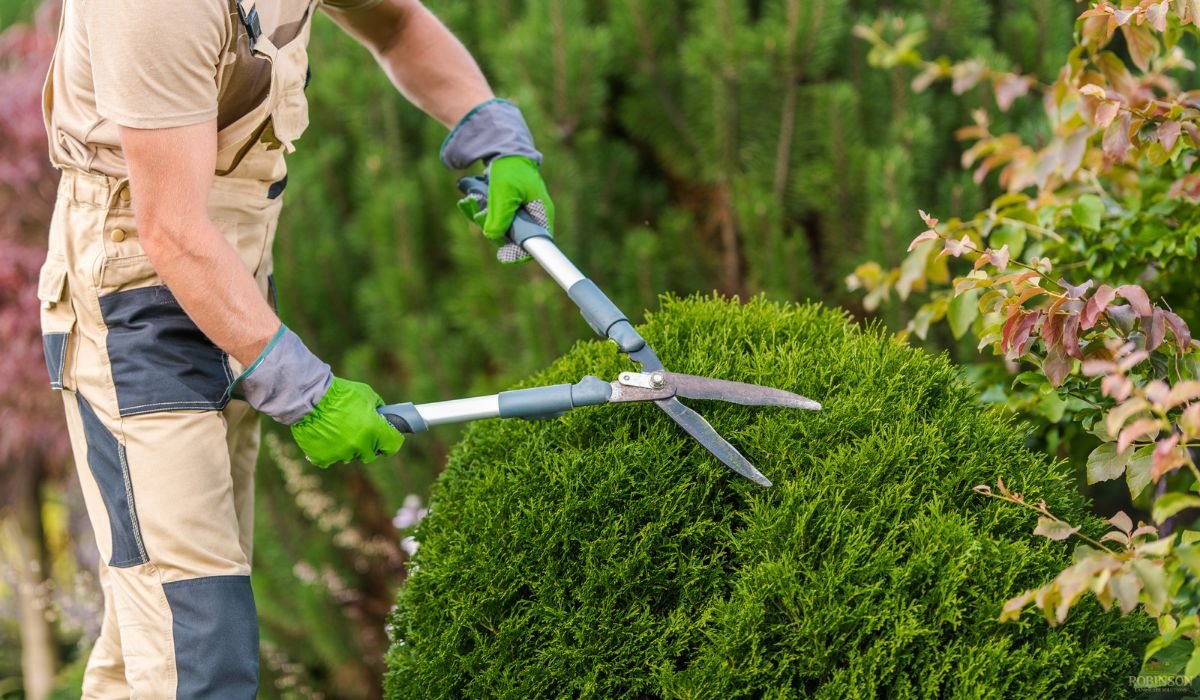
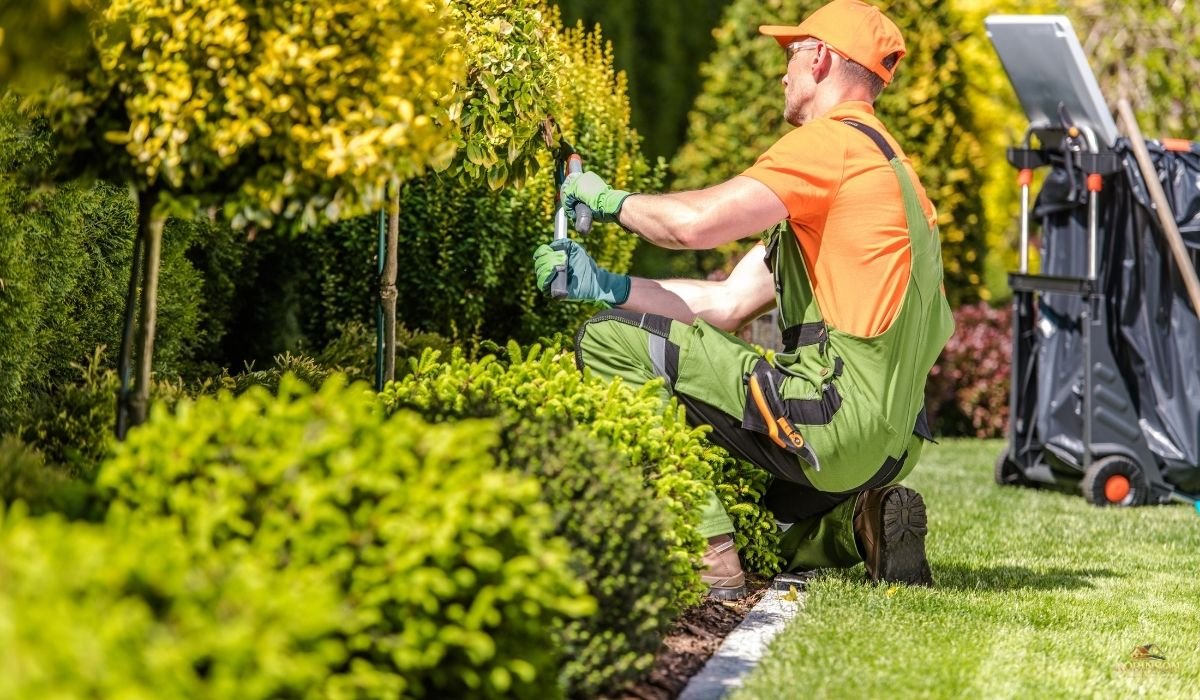
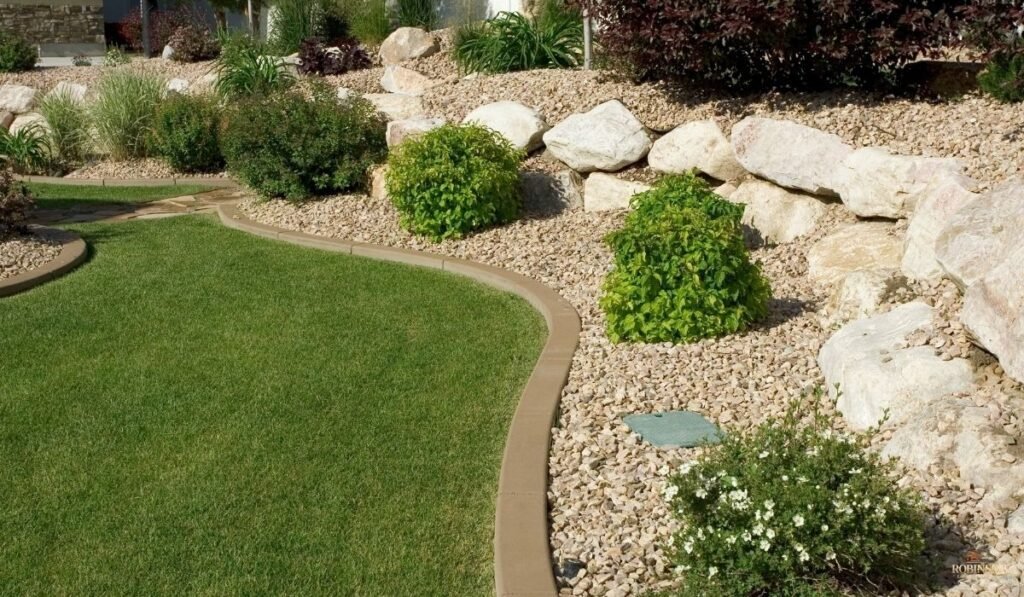
A well-planned landscaping project can boost your property value by nearly 15%. That’s not a guess; that’s real data. From our experience, many Fort Wayne homeowners miss this opportunity because they treat their yard as an afterthought.
This complete guide to landscaping in Fort Wayne will show you how to turn your outdoor space into an asset. You’ll learn the smart moves that protect curb appeal and avoid costly rework.
We wrote this for beginners and estate owners alike. If you want to understand landscaping mistakes (check our previous article), learn what landscaping is (see the next one), or master landscaping 101 (our main pillar post), you’re in the right place.
Let’s get started!
Short Summary
- A landscaping project can raise your property value by nearly 15%.
- Start with proper planning and soil preparation before you dig a single hole.
- Mix hardscape elements like walkways and fire pits with native plants for a stunning landscape.
- Lawn maintenance and mulching protect your investment year after year.
- Avoid common landscaping mistakes like poor drainage or the wrong plant selection.
- Think of your outdoor space as an asset. Not an expense.
The Foundation of a Successful Landscaping Project Starts Before You Dig
Below, we break down why most plans fail, how to read your own yard, and when to call a pro.
Why Most Landscaping Projects Fail Before They Begin
Poor proper planning leads straight to costly mistakes. That’s the pattern we see again and again.
Some homeowners jump in with ideas pulled from Pinterest, skip a real landscaping plan, and hope it all works out. It rarely does, though. Guesswork feels fast, but it slows everything later.
Think about it this way:
- No drainage plan? Water pools near the house.
- No spacing strategy? Plants crowd each other within a year.
- No soil prep? Growth stalls.
A proper planning phase takes a weekend. Not a year. Here’s a hard truth from landscape architect Thomas Rainer: “Gardens are not made by wishing. They are made by watching.”
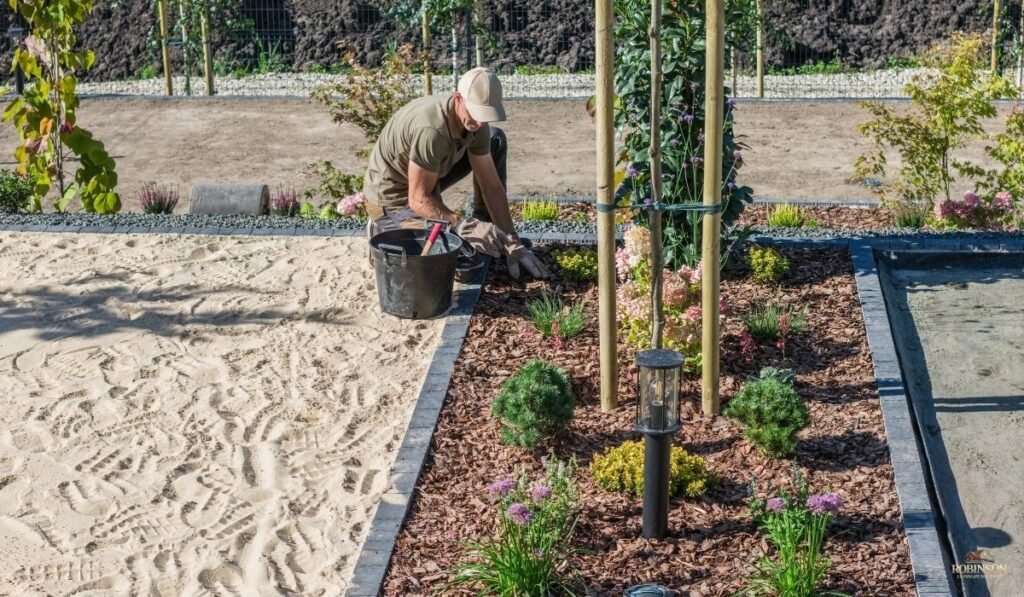
That means you sit with your environment first. Measure the wet spots. Track the afternoon shade. Don’t just buy pretty plants and hope.
The weird thing is, most folks skip this step entirely. Then they spend three summers fighting a yard that hates them. So ask yourself: Do you want a landscaping project that lasts or one that leaks money?
Let’s Bring Your
Vision To Life
Site Analysis: Understanding Your Soil, Sun, and Space
Before planting anything, the site needs to be understood. Not guessed.
For example, a yard in Fort Wayne might get full sun in summer but heavy shade once trees leaf out. That changes everything.
Focus on these essentials:
- Sun conditions: Track full sun versus shade across the day
- Soil type: Clay-heavy soil needs real soil preparation
- Drainage patterns after rain
- Seasonal shifts in your environment
We’ve seen clients plant premium shrubs in compacted soil, only to replace them months later. Painful. A simple soil test could have prevented it.
Which brings us to sunlight tracking: watch your yard for one full day. Mark where the shade falls at 10 a.m., 2 p.m., and 6 p.m. That map becomes your bible.
Designing with Purpose: Structuring Your Outdoor Space
Straight lines feel formal. Curves feel natural. A great, good landscape design blends both. For example, a rectangular patio with a rounded flower bed softens the whole look. See? Easy.
Think in zones. Your front yard needs a path from driveway to door.
Your backyard needs seating areas away from the grill smoke. One client wanted a fire pit right under a low oak branch. Guess what happened the first time they lit it? Sizzling leaves. That’s not a good look.
Garden design works best when you ask, “How will we actually use this space?” Kids running? Add grass, not gravel. Love to cook? Put the outdoor kitchen near the house. Basic principles of flow save you from walking a mile with a plate of burgers.
For quick wins:
- Keep walkways at least four feet wide.
- Place retaining walls only where the ground slopes more than a foot.
- Leave room for a garden hose near every bed.
When to Bring in a Landscape Designer or Architect
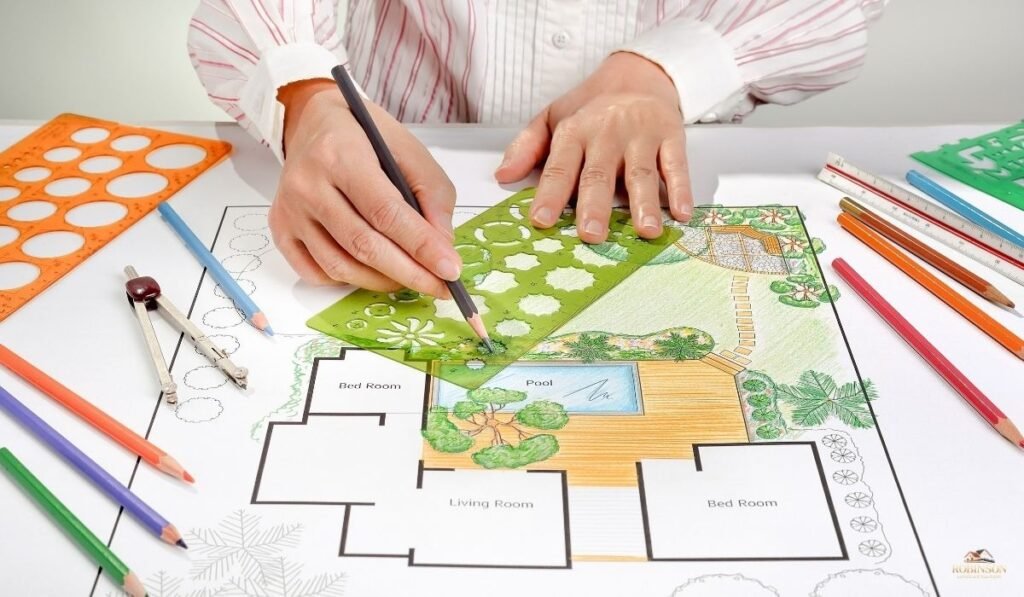
A landscape designer focuses on plants and layout. A landscape architect handles grading, drainage, and permits. That’s a big difference! One draws pretty pictures. The other makes sure your structures won’t slide down a hill.
We bring in an architect for any landscaping project with retaining walls over three feet or changes to water flow. You need a permit for that in Fort Wayne, no joke. The city checks those plans.
The cost of a designer is usually 5% to 15% of your total budget. That sounds like a lot until you price out a failed landscape redo.
We once saw a homeowner pour $20,000 into raised beds and a patio. And then, the drainage failed. Water ran straight into the house foundation. A $1,500 designer visit would have caught it.
As renowned designer Julie Moir Messervy suggests, true landscape artistry begins with a deep, personal understanding of the land itself.
You either gain that understanding yourself over five years, or you hire someone who already has it. Your call.
Building a Beautiful Landscape That Lasts: Design, Plants, and Hardscape
Let’s talk about the fun stuff. Plants, patios, and the secret to a yard that wows every season.
The Balance Between Hardscape and Softscape
Too much concrete and your yard feels like a parking lot. Too many flowers and you can’t walk anywhere. The magic number: About 60% softscape (plants, grass, garden beds) and 40% hardscape (patios, walls, walkways).
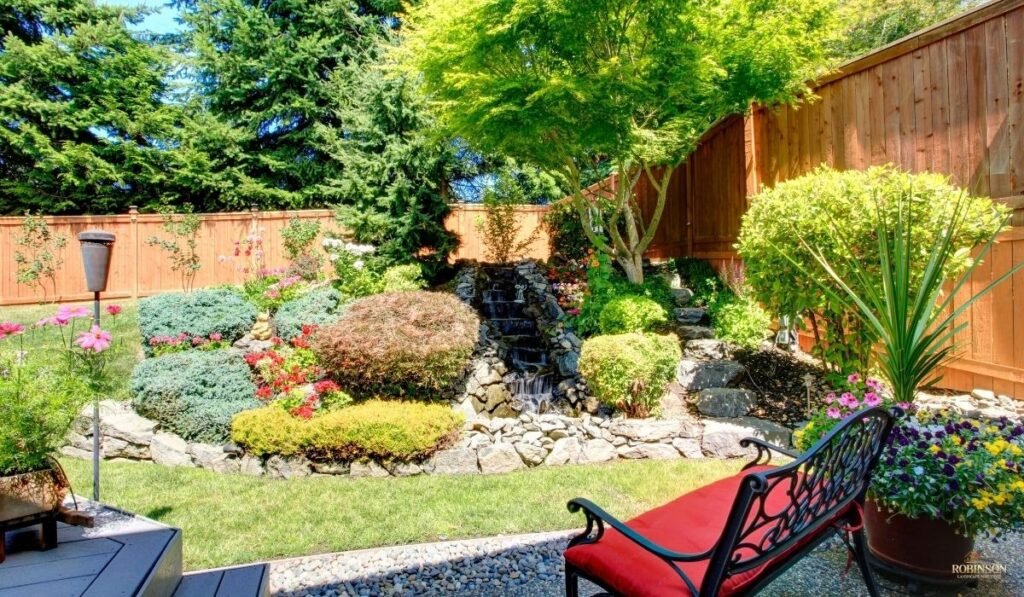
Hardscape elements do the heavy lifting. Retaining walls hold slopes; walkways guide feet. A fire pit gives you three extra months of outdoor evenings. We love water features too—a small bubbling rock costs less than a fancy grill but adds steady visual appeal.
One example from a recent job: We replaced a dying lawn with a stunning landscape of gravel paths, climbing vines on a trellis, and a simple outdoor kitchen with a pizza oven. The homeowners now spend time out there every night. That’s the goal.
Good landscape design mixes textures, like, say, smooth flagstone next to rough bark mulch. Or soft moss against sharp slate. Play with that contrast.
H3: Choosing the Right Plants for Long-Term Plant Health
Native plants are not a trend. They are a cheat code. They survive Fort Wayne winters without coddling. They resist pests that kill fancy imports and need way less maintenance.
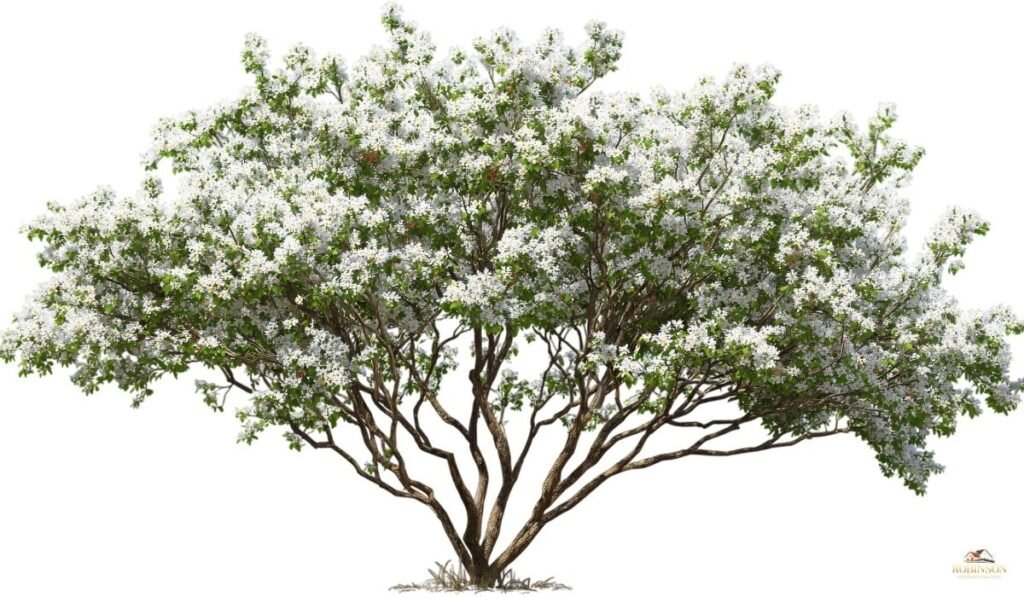
For plant selection, think like a local. Select plants that thrive in our clay soil. Right plants for full sun: coneflower, little bluestem grass, and small trees like serviceberry. For shade: hostas, ferns, oakleaf hydrangea.
Plant health starts with the root ball. When you choose plants at a nursery, flip the pot over. White roots circling the bottom? That plant is root-bound. Put it back. Look for firm, white roots without a dense mat.
Quick tip:
- Always match plants to your soil type and light exposure
- Avoid trendy species that struggle locally
Right plants, right place. That’s the rule.
Creating Depth, Texture, and Focal Points
Flat landscape design is boring. You need layers. Think of it like a theater stage.
- Back row: taller plants and small trees.
- Middle row: shrubs and big perennials.
- Front row: low flowers and ground cover.
Focal points grab your eye from across the yard. A Japanese maple, a fire pit with a stone surround, or a specimen boulder. You only need two or three per outdoor space. Too many and chaos wins.
One trick we learned from years of creative work: place a bench at the end of a walkway. That bench becomes the destination. Humans naturally follow paths to seating. It’s weird, but true.
Layering works vertically, too. Climbing vines on a trellis add height without the wait of a tree. Raised beds lift vegetables and flowers to eye level. Garden design with depth feels richer even with fewer plants.
Using Color, Shade, and Seasonal Blooming Strategically
Cool colors like blue, purple, and white make hot patios feel calmer. Cool colors also recede into the background, which makes small yards seem larger. Shade from a well-placed tree drops summer temperatures by ten degrees. That’s real.
Blooming season planning separates rookies from pros.
- Spring: bulbs and redbud trees.
- Summer: coneflowers and daylilies.
- Fall: asters and ornamental grasses.
- Winter: red twig dogwood and evergreen shrubs.
One client wanted all pink flowers—fair enough, they’re pretty in May. But then June hit, and everything turned brown.
We added yellow goldenrod for late summer and purple asters for fall. Now they have color from April to October. Design ideas like this cost nothing extra. Just smarter plant selection.
The final result is a beautiful landscape that changes with the calendar. No boring mono season, and no dead zones for six months. That’s long-term resilience right there.
And isn’t that the whole point?
Landscaping Stewardship: How to Protect and Maintain Your Investment
Think of maintenance as a savings account for your yard. Skip it, and you pay later. Do it right and your property grows richer every year.
Why Maintenance Is Not Optional—It’s Strategic
Most people treat lawn maintenance like a chore. For us, it’s stewardship. Big difference. A chore gets forgotten, stewardship gets planned.
Curb appeal fades fast without consistent care.
We’ve watched $50,000 landscapes turn into weed patches in two years. The owner just stopped paying attention. Property value dropped like a rock as a result.
It’s a stark reminder of what renowned horticulturist Monty Don always says: ‘A garden is not a finished product. It is a relationship.’
Here’s the kicker: maintenance actually saves you from larger, costly mistakes down the road. Catch a small drainage issue early. Fix a cracked walkway before it becomes a tripping hazard. That’s strategic, and smart.
Core Maintenance Practices That Actually Matter
Lawn care boils down to three things:
- Mow high.
- Water deep.
- Feed twice a year.
That’s 80% of grass health right there.
Mulching your garden beds every spring does two things. It locks in moisture and slowly adds organic material back into the soil. We also recommend shredded hardwood. Add about two to three inches deep. Never pile it against tree trunks (that causes rot).
To keep flower beds looking their best, deadheads spend blooms and pull weeds before they go to seed—just ten minutes of weekly maintenance beats ten hours of cleanup in the fall.
For weekly wins:
- Trim grass edges along walkways and driveways.
- Check your garden hose for leaks.
- Turn compost piles once a month.
Irrigation and Water Management
A garden hose works for small yards. But automated systems? They’re a game changer for properties over a quarter acre. And it’s because of consistency. You can’t handle water every day. Life gets busy.
We once had a client who relied on a garden hose and a sprinkler. They went on vacation for two weeks and came home to a brown backyard and dead shrubs. A $400 timer would have fixed everything.
Preventing overwatering is just as critical. Too much water rots roots; too little stresses plants. The sweet spot: One inch of water per week.
Put a tuna can in your front yard. When it fills, you’re done.
Adapting to Fort Wayne’s Seasonal Changes
- Spring prep: clean garden beds, sharpen mower blades, test your soil pH.
- Summer heat: water at dawn, not noon.
- Fall cleanup: rake leaves off grass (they smother it), plant spring bulbs, add mulching for winter protection.
- Winter: disconnect garden hoses, cover tender shrubs with burlap, resist the urge to walk on frozen grass.
A simple example. Prepping soil in early spring sets up the entire growing cycle. Skip that, and recovery takes months.
Which brings us to a simple truth: Your landscape changes with every season. Your maintenance should, too. Adapt or watch things die.
Common Landscaping Mistakes That Cost Homeowners Thousands
Even well-planned yards can go sideways. These common landscaping mistakes show up more often than expected, and they cost real money.
The Most Expensive DIY Mistakes
Poor drainage tops the list. For example: One homeowner built raised beds against their foundation. Every rain sent water into the basement. They ended up with a repair bill of $12,000.
Improper plant placement comes next. A gorgeous small tree six feet from the house sounds nice. That is, until the roots crack your walkways five years later.
Ignoring soil conditions before you dig is mistake number three. Clay-heavy soil in Fort Wayne needs amendments. Skip this step, and plants fail to establish.
Don’t be like the guy who planted 40 shrubs in pure clay, with zero organic material added. Within a season, every single one died.
Choosing the Wrong Plants for Your Environment
Climate mismatches happen all the time. To illustrate: A homeowner buys a Japanese maple online. Ships from Oregon. Plops it in full Fort Wayne sun. The leaves scorch by July. That plant never stood a chance!
High- vs. low-maintenance errors are equally painful. We had a client who wanted roses. Gorgeous, but fussy. They needed daily deadheading, weekly spraying, and constant feeding. However, the client traveled for work. Surprise—the roses became brown sticks.
Here’s a rule we swear by. Select plants that match your available spend time budget. If you love to tinker, get climbing vines and flower beds that need attention. But if you travel often, stick with native plants that handle neglect.
Overlooking Long-Term Growth and Maintenance
A tree that fits today may wreck your structures tomorrow. For instance, we once saw a beautiful spruce planted four feet from utility boxes. The electric company had to chop half of it down. Neither side was happy.
Shrubs outgrowing walkways is a classic. Someone plants a juniper that they think stays small. Five years later, you can’t get past it without a machete.
Common landscaping mistakes like these come from short-term thinking. Ask yourself: “What will this look like in a decade?” If the answer is “a problem,” pick a different plant.
Why Professional Oversight Saves Money Long-Term
A good guide to landscaping includes knowing your limits. One landscaping project redo costs more than one initial pro consult. That’s simple math.
We took over a landscape last year that a homeowner had tried to build themselves. Retaining walls were crooked, and drainage sent water into the backyard pond they never wanted. They paid us $8,000 to rip out and redo. The original pro estimate would have been $6,000 total.
Long-term resilience comes from smart decisions upfront. Hire someone who has made (and fixed) every mistake already. That experience is cheap at twice the price.
“The bitterness of poor quality remains long after the sweetness of low price is forgotten,” as the saying goes.
Final Thoughts
Here’s the simple truth: A landscape isn’t a one-time purchase. You don’t buy it and forget it. Think of it as a living investment, one that pays you back every single day.
Good planning gets you started. Smart design makes it beautiful. Honest maintenance keeps it alive. Skip any one of those three and the whole thing wobbles.
We’ve seen properties gain real value from this approach. Not fake value, the kind that shows up in an appraisal. The kind your neighbors notice.
So take a breath. Start small. Or go big. Either way, just start. Want to see what’s possible? Head over to our homepage and look around.
Your outdoor space has potential. Let’s help you find it.