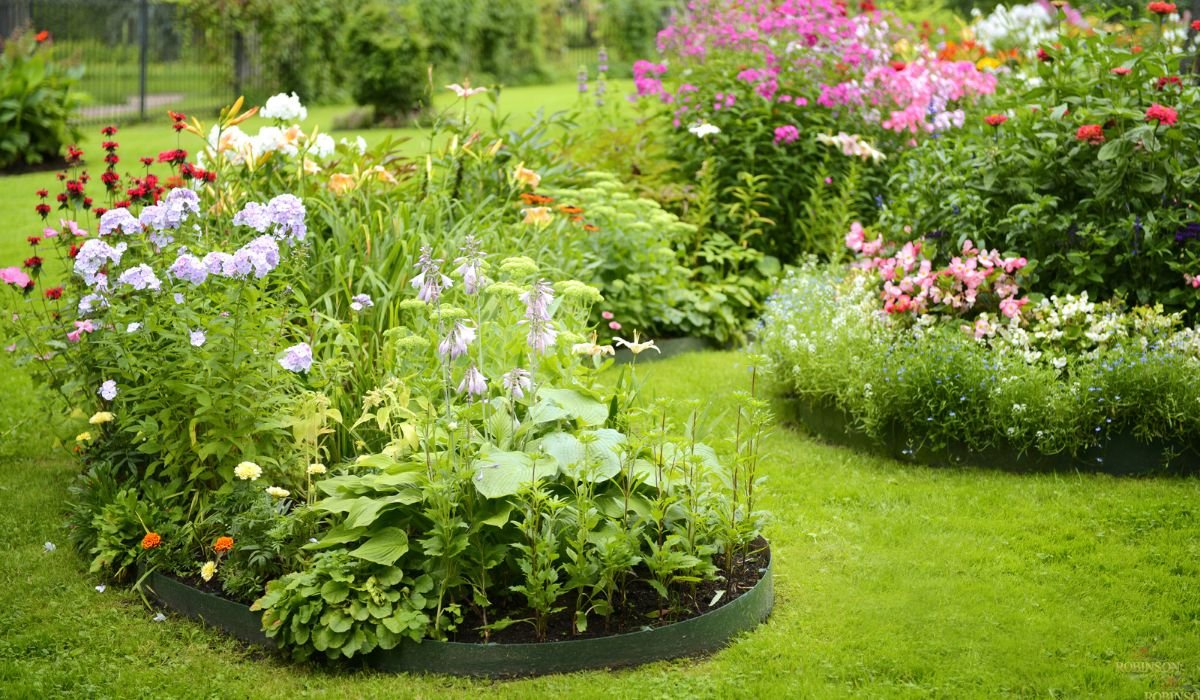
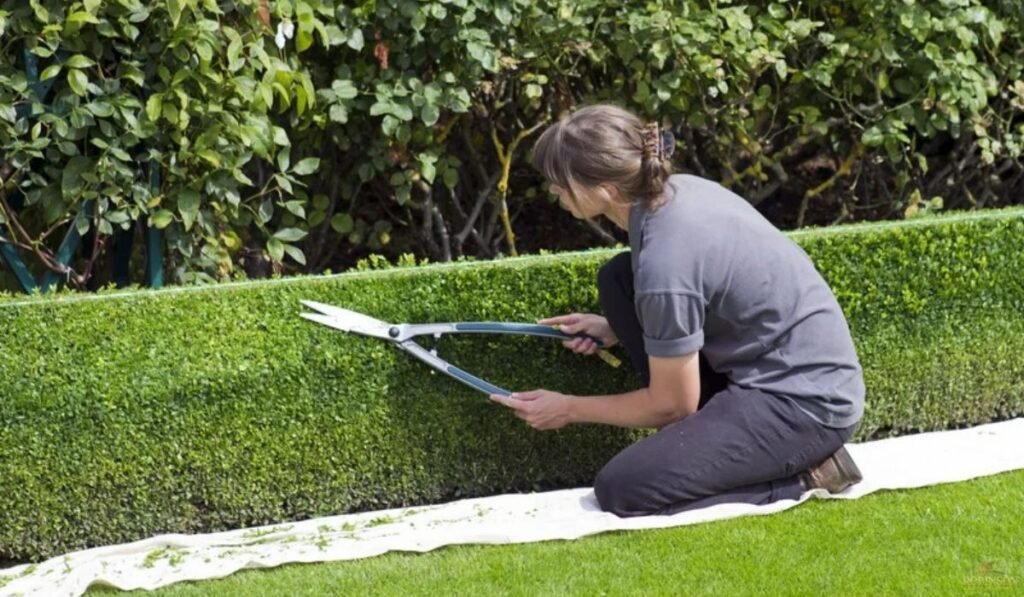
Will Rogers once said, “You never get a second chance to make a first impression.” That’s why 92% of realtors tell sellers to boost their curb appeal. The yard, after all, sets the tone before buyers even reach the door.
First impressions sell homes anywhere else, for that matter. But making a good first impression gets harder when common landscaping mistakes in Fort Wayne creep into the process.
Fort Wayne’s clay-heavy soil and wet spring weather turn small missteps into bigger, costlier headaches than homeowners in many other regions ever face.
And from our experience, the same handful of errors show up again and again. They tend to appear in the same order a project unfolds, too. This guide walks through seven of them, from early planning to ongoing upkeep, with a straightforward fix for each one.
If you’re new to yard projects, our landscaping for beginners guide covers the basic steps to get started. Our complete guide to landscaping goes further for homeowners planning a larger project.
For the big-picture basics, landscaping 101 brings the key concepts together in one place.
Short Summary
- Test your soil before building any garden beds. It saves money and protects plant health.
- Call Indiana 811 at least two full working days before you dig, no exceptions.
- Fix drainage problems before you plant, not after.
- Check the plant tag for sun needs and mature size before buying.
- Space shrubs and perennials by mature width, not their size at the nursery.
- Keep mulch flat and a few inches back from the trunk.
- Design a yard that matches the time you actually have for upkeep.
7 Common Landscaping Mistakes to Avoid, From Planning to Upkeep
The first three common landscaping mistakes on this list happen before a single plant goes into the ground. Skip these steps, and every mistake that follows gets more expensive. So let’s start where every good landscaping project actually starts: underground.

1. Skipping a Soil Test Before Building Garden Beds
Here’s a mistake we see a lot. Homeowners build garden beds without ever checking the soil conditions underneath. Sounds harmless enough, right? Wrong. Skip the test, and you’re basically guessing at what your plants need.
Fort Wayne clay holds onto water and compacts fast. Add fertilizer to soil like that, and you waste money on nutrients plants can’t use.
Worse, plants struggle to establish roots in compacted, poorly drained clay. That struggle shows up as yellowing leaves, stunted growth, and beds that never fill in.
The fix is simple, though. Test your soil before you dig one hole. Purdue Extension’s Allen County office, your local extension office, offers soil testing to any homeowner.
Bring in two cups of soil, and they’ll analyze it and send back recommendations. Sample in spring or fall, before applying fertilizer. That way, results guide your next move instead of confirming a mistake you already made.
Then work organic matter like compost into the soil, based on what the test shows. Your plant health depends on it.
2. Digging Without Calling Indiana 811 First
One thing that catches people off guard is, you don’t need heavy equipment to trigger the rules. Planting a tree, installing a mailbox, even digging a small flower bed all count as excavation under Indiana law.
Why does this matter? Hit a buried line, and you’re looking at repair bills, safety hazards, or worse. Plant a tree too close to a gas line, and you’ll deal with root problems for years.
The fix, step by step:
- Call 811 at least two full working days before you dig. Weekends and legal holidays don’t count.
- The service is free. You’ll need a new ticket every time you dig, even in a spot marked before.
- Wait for a “Closed” response from every utility before breaking ground.
- Use hand tools only inside the two-foot tolerance zone around any marked line.
For large trees, keep some distance from utility boxes and buried lines. Check with your utility provider for the exact clearance your roots will need to grow safely.
Let’s Bring Your
Vision To Life
3. Ignoring Drainage Problems Before You Plant
Clay soil and water don’t mix well. That’s the short version of why drainage problems matter so much here. Plant into a low spot, or a yard that slopes toward the house, and you’re setting up trouble before roots even take hold.
Standing water in the lawn isn’t just annoying. Clay holds moisture close to the surface, and that trapped water can rot roots and creep toward your foundation over time.
The fix comes down to grading. Building code calls for a 6-inch drop in the first 10 feet away from the house. That’s the target whether you’re grading by hand or hiring it out.
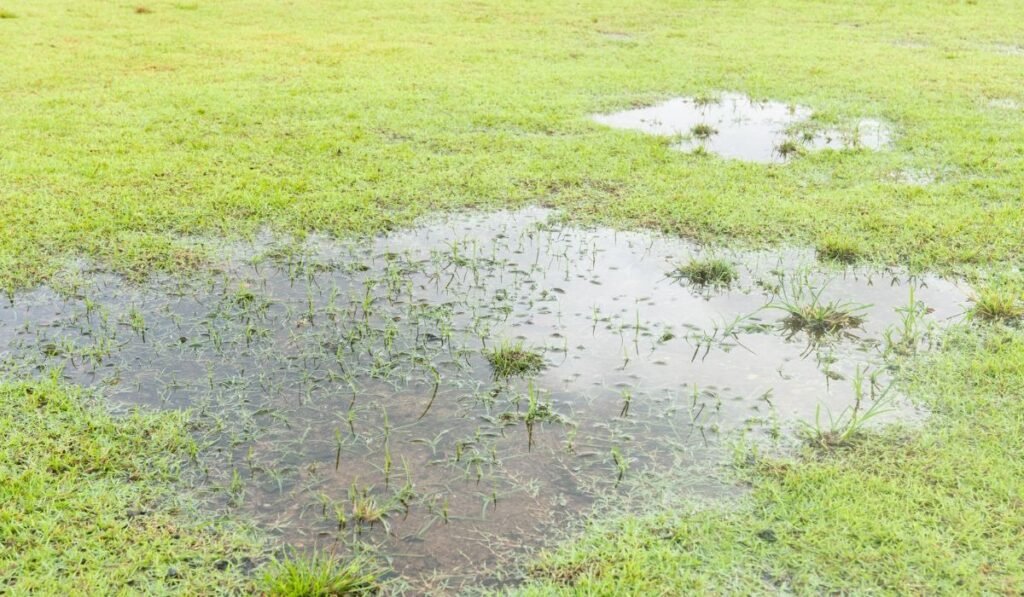
From there, extend downspouts well past the foundation, or add a rain garden or dry creek bed to redirect water. Bigger grading problems? Call in a professional before you plant anything.
Before You Dig: Quick Checklist
Mistakes one through three all happen before planting starts. Before you touch a shovel, make sure you can check off:
- Soil test results in hand
- Indiana 811 ticket closed
- Drainage issues fixed
- Plant tags checked for size and sun needs
4. Putting the Right Plant in the Wrong Place
Ever bought a plant because it looked great at the garden center, then wondered later why it’s struggling? That’s plant selection gone wrong, and it’s one of the more common landscaping mistakes we see.
Here’s the thing: a plant tag isn’t decoration. Check the mature size and sun needs before it goes in your cart. Full sun generally means six or more hours of direct light daily.
Put a sun-loving plant in shade, and it grows weak and leggy, reaching for light it can’t get. Crowded, shaded spots with poor air circulation invite disease, too.
There’s a legal angle worth knowing. Indiana’s Terrestrial Plant Rule bans the sale, gift, or transport of 44 invasive plants, including Japanese barberry and wintercreeper.
As Purdue entomology professor Cliff Sadof said of the rule, “It’s much needed. It is a great first step.”
Fort Wayne homeowners looking for a similar look can plant native plants instead, like fragrant sumac, coralberry, black chokeberry, or New Jersey tea. They’re low maintenance and built for our climate already.
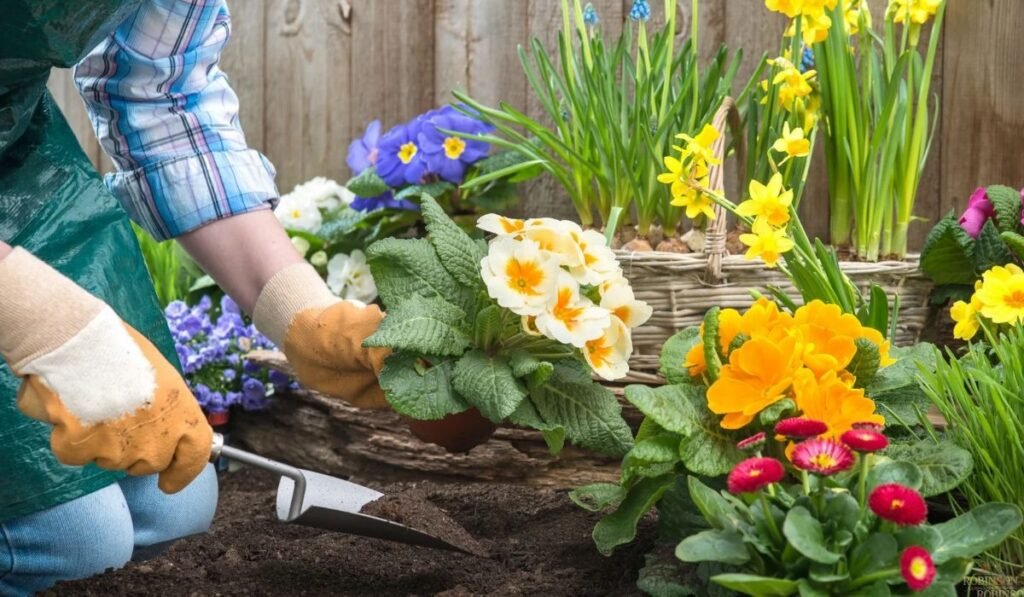
5. Overcrowding Planting Beds for Instant Gratification
We get it. A newly planted bed with tiny shrubs spaced far apart looks bare. The temptation for instant gratification is real, so people pack plants close together to fill the space fast.
Fast forward two or three seasons, and those overgrown plants are fighting each other for sunlight and water. Now you’re pruning constantly just to keep the planting beds from turning into a tangled mess.
The fix takes patience. Space plants based on their mature width, not the size they are at the nursery. A shrub that’s a foot wide today might need four feet of enough room in five years. Fill the gaps in the meantime with annuals or a fresh layer of mulch.
6. Building Mulch Volcanoes Around Trees and Shrubs
Drive through almost any neighborhood, and you’ll spot one: a cone of mulch piled high against a tree trunk. It looks tidy. It’s actually one of the more damaging landscaping mistakes homeowners make.
Mulch against bark traps moisture. That moisture invites rot, gives pests a place to hide, and cuts off oxygen the roots need. Over time, a mulch volcano can weaken trees and shrubs that would otherwise thrive for decades.
The fix is easy once you know it. Spread mulch in a flat layer, about 2 to 3 inches deep, and pull it back a few inches from the trunk.
Done this way, mulch still does its job. It suppresses weeds, holds soil moisture, and keeps pests from setting up camp near the base. Picture a donut, not a volcano.
7. Designing a Yard You Can’t Keep Up With
Here’s a question worth asking before any project starts: how much time do you actually want to spend on yard work each week? Be honest. The answer should shape your entire landscape design.
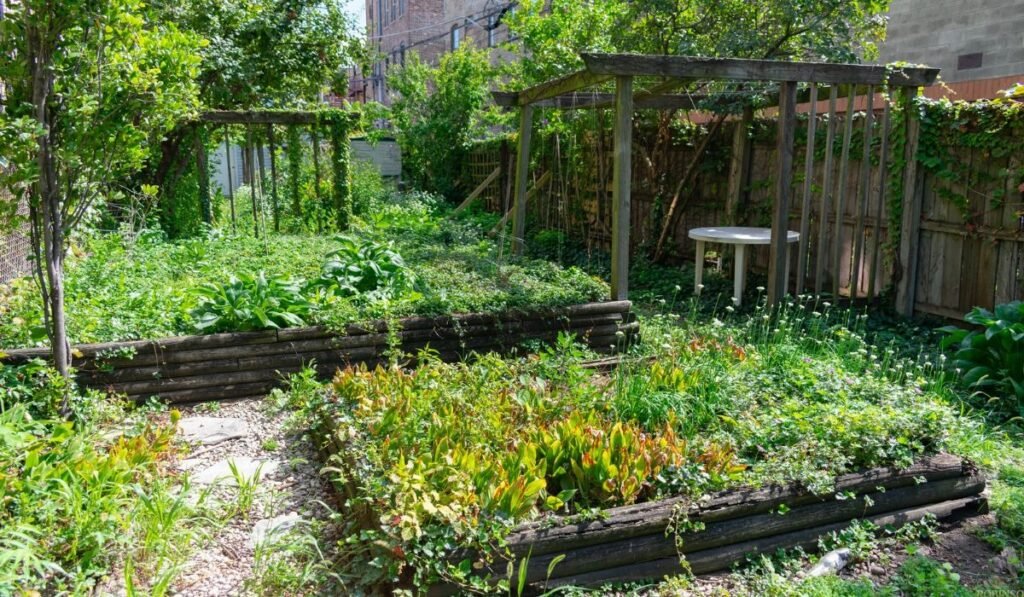
An elaborate layout looks incredible for one glorious season. Then life gets busy, maintenance slips, and the yard that impressed the neighbors in June looks rough by August. High-effort designs decline fast once upkeep falls behind.
The fix isn’t to give up on beauty. Limit your design to one or two focal points. Repeat a few plant varieties throughout the space for cohesive visual interest without adding extra work.
A simpler yard, kept up consistently, beats an ambitious one that gets away from you every single time.
Final Thoughts
Seven steps. One order. Test the soil. Call 811. Fix drainage. Choose the right plant. Give it room. Mulch correctly. Design for your schedule.
Get these right and you’ll replace fewer plants. Your foundation stays protected, and your yard holds its value.
Here’s the bottom line. A little planning beats a lot of fixing. Plan ahead before you dig, plant, or buy.
For larger landscaping projects, talk with the Robinson Landscape Solutions team. We help Fort Wayne homeowners build a beautiful outdoor space that lasts.
Ready to start? Visit our homepage. Let’s talk about your yard.
These landscaping mistakes are easy to avoid. A smart plan makes all the difference.