
Lawn Square Footage Calculator — Instantly Measure Your Lawn’s Square Footage
Enter your property address to load a satellite view of your yard. Trace the edges of your lawn on the map and get your exact square footage in seconds — free, no sign-up required.
Satellite Accuracy
Bird’s-eye satellite imagery gives you precise measurements of any property.
Instant Results
Square footage and acreage calculated in real time as you draw.
100% Free
No login, no email, no credit card — use it as many times as you need.
Works on Any Device
Fully responsive — desktop, tablet, or mobile phone.
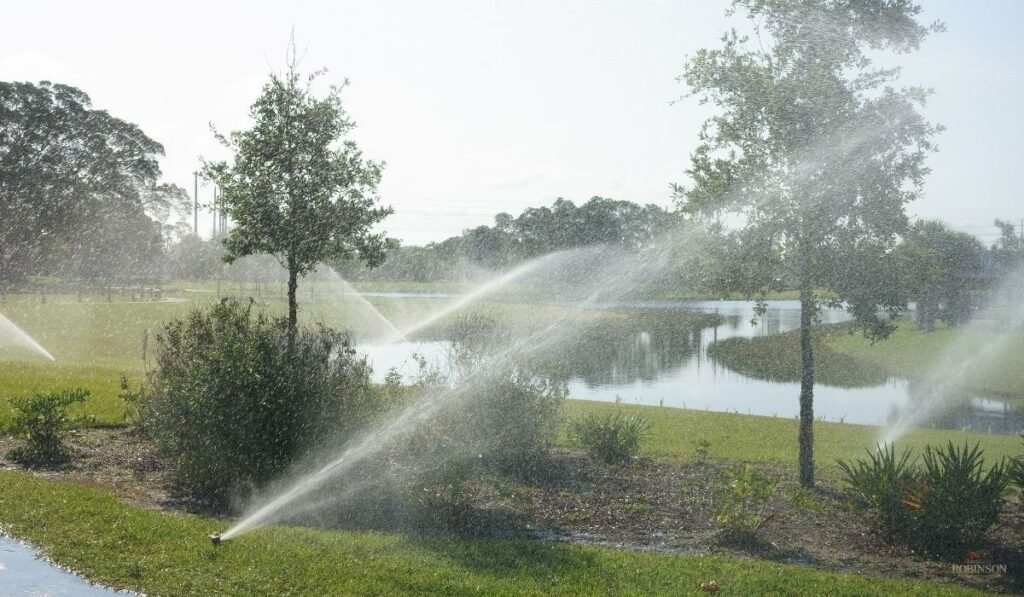
Nationwide, residential irrigation eats up nearly a third of household water use. That’s roughly 8 billion gallons every single day. From our experience, most of that waste traces back to one simple mistake: guessing your lawn size.
Guesswork leads to patchy lawn care, wasted product, and runoff that hurts your property. You need an accurate measurement of your yard. That’s where our lawn square footage calculator in Fort Wayne comes in.
This guide shows you exactly how to use it. No fluff, just precision that protects your Fort Wayne estate.
You already saw our lawn area calculator in the previous article. Next up, our lawn size calculator will take you even deeper. But for the complete picture, our main lawn care calculator is the post you want to bookmark.
Short Summary
- A lawn square footage calculator removes guesswork from lawn care and protects your investment
- Multiply length by width for standard shapes; use πr² for circles and break irregular polygons into sections
- Always subtract patios, flower beds, trees, and sidewalk areas to get your true coverage area
- Google Earth and Google Maps offer a free, accurate satellite view mapping option for any property
- Use touch gestures on mobile — double tap to drop points, pinch-to-zoom for precision
- Accurate measurement saves money, reduces runoff, and ensures every space gets the right product volume
- Professional stewardship goes beyond what any calculator or DIY approach can deliver
How to Use the Lawn Square Footage Calculator for Your Property
We built our lawn square footage calculator to take the guesswork out of yard projects. It delivers fast results you can trust. Ready to measure smarter?
The Manual Formula
Start simple with basic shapes. Measure the length and width of a rectangle or square section in feet. Multiply those two numbers to get the square footage.
For example, a typical Fort Wayne backyard measures 60 feet long by 40 feet wide. That gives you 2,400 square feet. Enter those dimensions right into the calculator. Hit calculate and see your total area instantly.
Simple works great for many homes.
Advanced Geometry for Complex Shapes
Many properties feature curves and odd angles. Use πr² for a circle like a round garden bed. Measure the radius from center to edge, square it, then multiply by 3.14.
Break irregular polygon areas into smaller rectangles or triangles. Add each area together. Walk the perimeter, note the corners, and sketch a quick outline on paper first. This method keeps your calculations spot-on even on tricky lots.
Switching Between Metric and Imperial Units
Product labels vary by brand. Our lawn size calculator lets you toggle between metric and imperial units with one click. Switch to match your fertilizer bag or seed coverage rates. Precision here prevents under- or over-application every single time.
Let's Bring Your
Vision To Life
The Subtract Rule — Getting Your True Coverage Area
Raw total area includes everything. Subtract the non-grass parts for real coverage.
- Patios and driveways
- Flower beds and mulch zones
- Trees canopy footprints
- Sidewalk widths along the edges
Measure each, then deduct from the main number. Your actual grass treatment space often shrinks by 20 to 30 percent. Nail this step and your yard responds beautifully.
(Which brings us to the next level.) This whole process turns accurate measurement from a chore into a real advantage.
High-Precision Mapping With Google Earth and Satellite View
Satellite tools give you pro-level detail without leaving home. We use them daily on estate projects. They beat tape measures on large properties.
Setting Up Your Tech
Open Google Maps or Google Earth in your browser. Type your property address exactly. Hit enter.
Switch to satellite view. Zoom in until the rooflines look sharp. This takes under a minute and sets up clean accurate measurements.
Using the Measure Tool to Draw Your Lawn's Outline
Right-click any spot on the map and choose the measure tool. Click to drop your first point.
Drag along the edge and keep adding points around the lawn's square footage boundary. Close the shape by clicking your starting point again. The tool instantly shows your total area.
Simple yet effective, as they say.
Mobile Tips — Touch Gestures for On-Site Measurement
Grab your phone and open the app. Use double tap to drop a point quickly.
Touch gestures, double-tap works best. Pinch to zoom for tight corners. Finger scrolling moves you smoothly across the map. We love this when walking the actual site with clients.

What Data Imagery Tells You
High-resolution data imagery reveals hidden features fast. You spot flower beds, hardscape, and structures that eat into your grass area.
It shows exact dimensions and distance without pacing every corner, so no more surprises when you figure true coverage.
But here’s the kicker. These free tools still miss the judgment pros bring. They get you remarkably close, though.
Beyond the Calculator — Why Precision is an Investment Protection
A lawn square footage calculator is a starting point. What you do with that number determines whether your property thrives or quietly drains your budget season after season. These four sections break down exactly why accurate measurement pays off.
The Financial Case for Accurate Measurement
Guessing costs money. A 500-square-foot overestimate on your lawn size means buying roughly one extra bag of premium fertilizer per application.
At $45 to $65 per bag for professional-grade product, that’s $90 to $130 wasted annually on two-cycle programs alone. Scale that across pre-emergent, overseeder, and winterizer applications, and the number climbs fast.
Calculate your actual square footage once, and every future project becomes more efficient. Right-sized purchasing isn’t frugality; it‘s precision. The two are very different things.
Environmental Stewardship and Fort Wayne's Watersheds
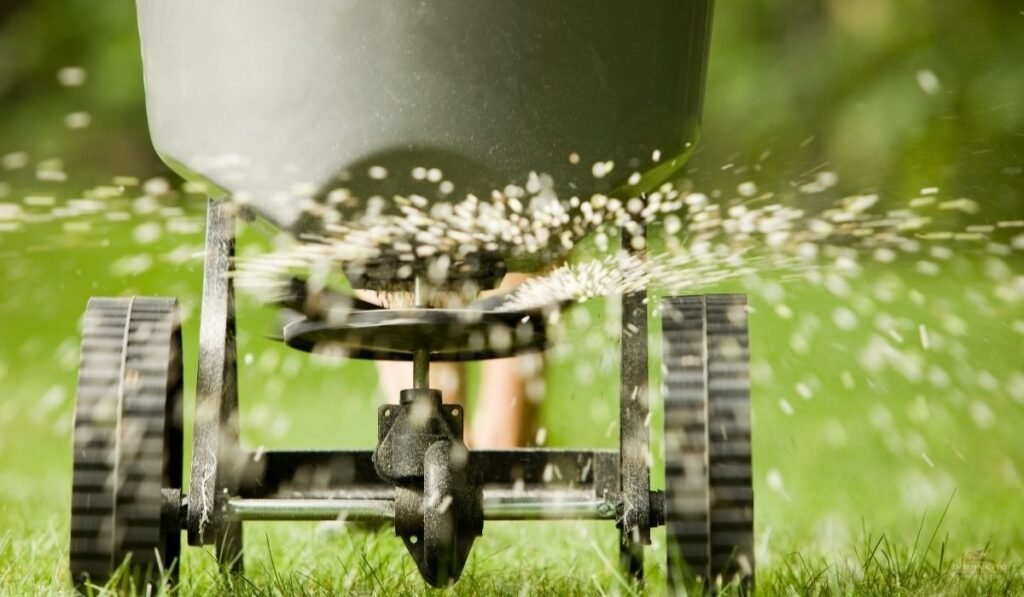
Excess product doesn’t disappear. It runs.
Overapplied fertilizer and irrigation water carry nitrogen and phosphorus across hardscape surfaces and into storm drains, which feed directly into the Maumee River watershed.
Indiana's nutrient reduction efforts, formalized through the state's nonpoint source management framework and ongoing under the 2024 Maumee RAP, set clear expectations for residential lawn and yard coverage practices in Allen County.
The process of precise area measurement is, genuinely, an environmental act. A well-measured grass treatment plan means less runoff, less accuracy lost to overspray, and a cleaner local water supply.
(Worth noting: Robinson clients have always cared about this, even before it was policy.)
How Professionals Use Measurement Tools
Estate-level lawn care doesn’t leave zone mapping to chance.
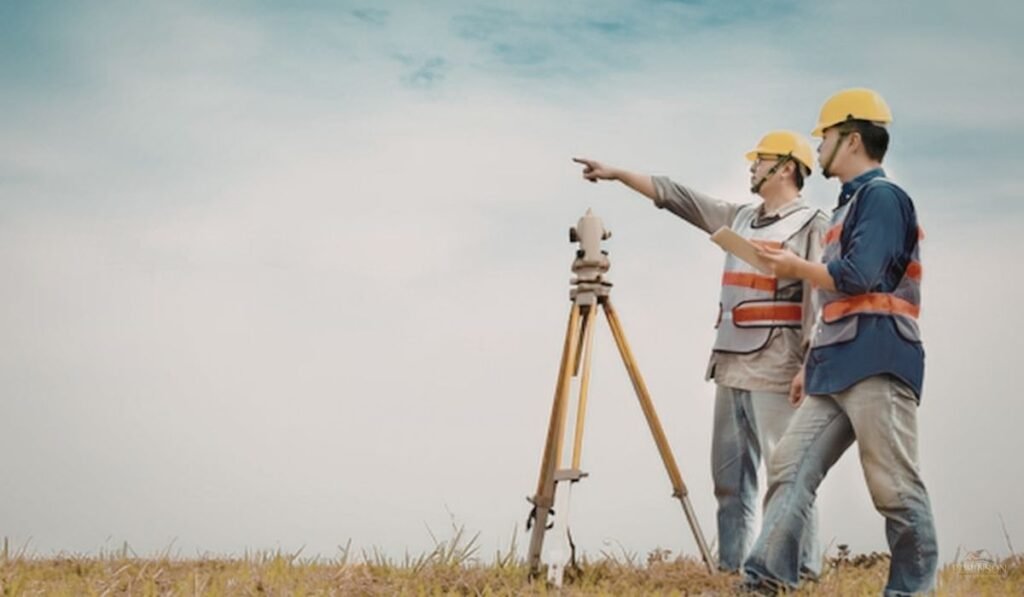
At the professional level, every site is divided into treatment zones before a single product is loaded. Here is how a proper assessment breaks down:
Grass areas are mapped and measured independently from ornamental zones
Flower beds receive separate application rates based on plant type and soil profile
Hardscape and structure footprints are excluded from every space calculation
Each zone gets an ideal product volume tied to its verified square footage
Which brings us to the point most DIY homeowners eventually discover: the measure tool isn’t the hard part. Knowing what to do with the data is. That is where professional judgment earns its place on the property.
The Robinson Standard — From DIY to Concierge Stewardship
A free calculator is a genuinely useful tool. But a lawn size calculator can’t walk your estate and notice that the north bed drains poorly, or that a mature oak's canopy has shifted your sun exposure since last season.
That kind of observational intelligence isn’t a feature you can toggle. It comes from trained eyes, professional equipment, and years of Fort Wayne-specific lawn care experience.
The convenience of self-measurement is real. So is its ceiling.
Robinson Landscape Solutions offers concierge-level estate stewardship for clients who want precise coverage, not estimated coverage. The calculator gets you started. Our team gets you there. Visit our website to schedule your professional property assessment.
Final Thoughts
Knowing your exact lawn size makes all the difference. The lawn square footage calculator gives you that power through simple accurate measurement.
You protect your property, stretch your budget, and help keep Fort Wayne waterways cleaner at the same time. Give it a try in your own yard.
When you want professional results without the guesswork, reach out to us. Contact Robinson Landscape Solutions for a full estate assessment at fwlandscape.com. We look forward to helping you.