From our experience, most property owners have no idea what really happens behind the job title. Nearly 930,000 Americans work in landscaping and groundskeeping, according to the Bureau of Labor Statistics.
Yet ask a neighbor what do landscapers do in Fort Wayne, and you will hear the same two answers: mowing lawns and pulling weeds. Real landscape professionals operate at a different level.
We blend plant science, engineering, and long-term asset management to protect your property value. That is a far cry from basic lawn care services.
For more on what landscaping includes, check our previous article. We also break down various types of landscaping in our next piece. And for the complete foundation, our landscaping 101 post ties everything together.
The goal is simple: help you understand the work that keeps your outdoor investment safe year after year.
Short Summary
- Landscapers go well beyond basic yard work to include design, building, and year-round care.
- Landscape professionals handle daily tasks, smart planning, soil and drainage fixes, plus plant health.
- Strong landscape maintenance protects your outdoor spaces and boosts property value in Fort Wayne’s tough climate.
- The right team delivers precision work across every season.
What Landscapers Actually Do Day to Day
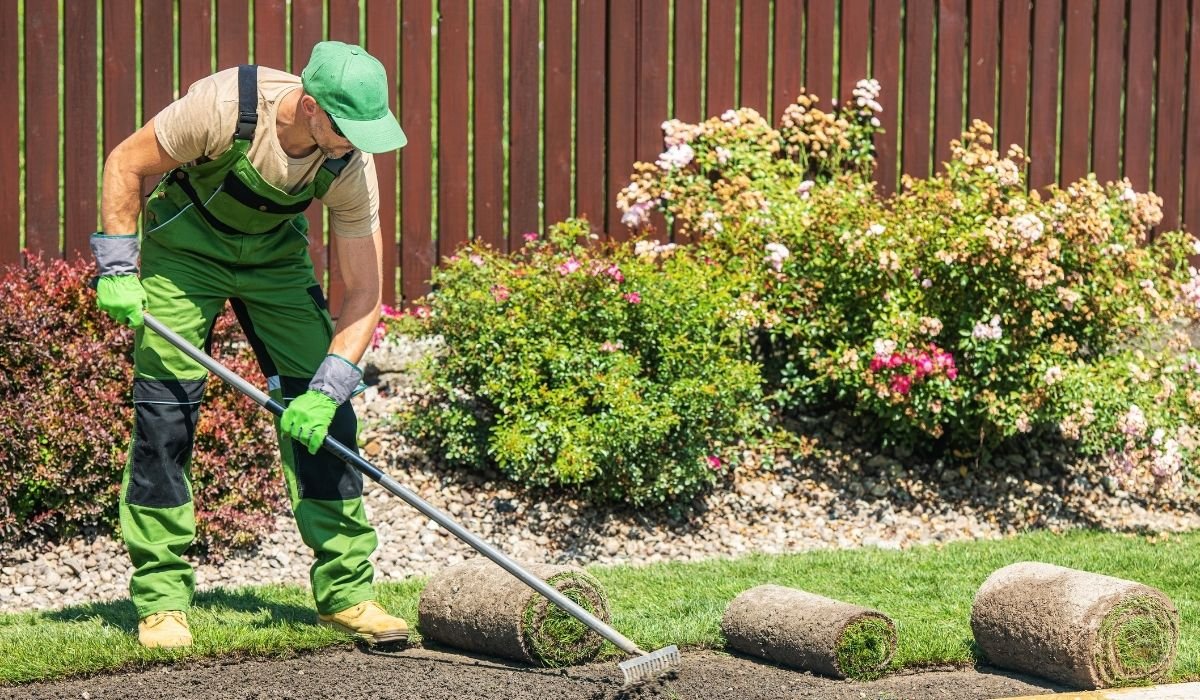
Here’s a peek behind the curtain. A real crew doesn’t just cut grass and go home. We run equipment like lawn mowers and leaf blowers before 8 a.m. But that’s the easy part. The real duties and responsibilities start when you look closer.
We care for garden beds by pulling invasive weeds by hand. We handle planting flowers so root balls sit at the right depth—not too shallow, not too deep.
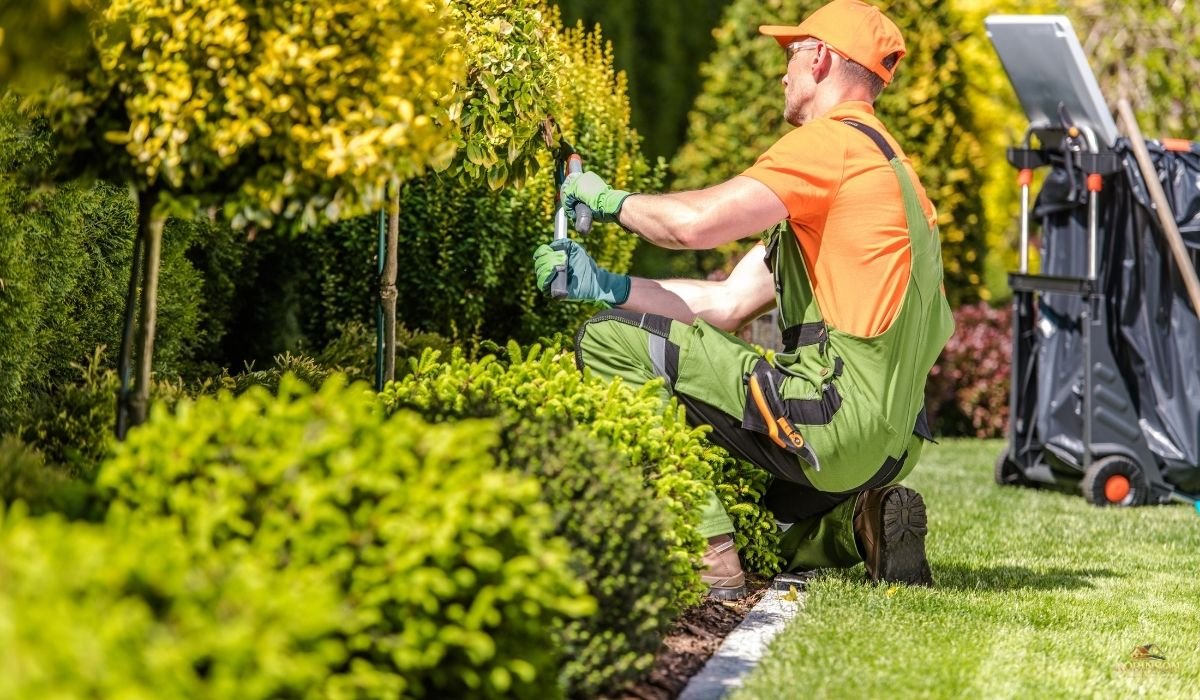
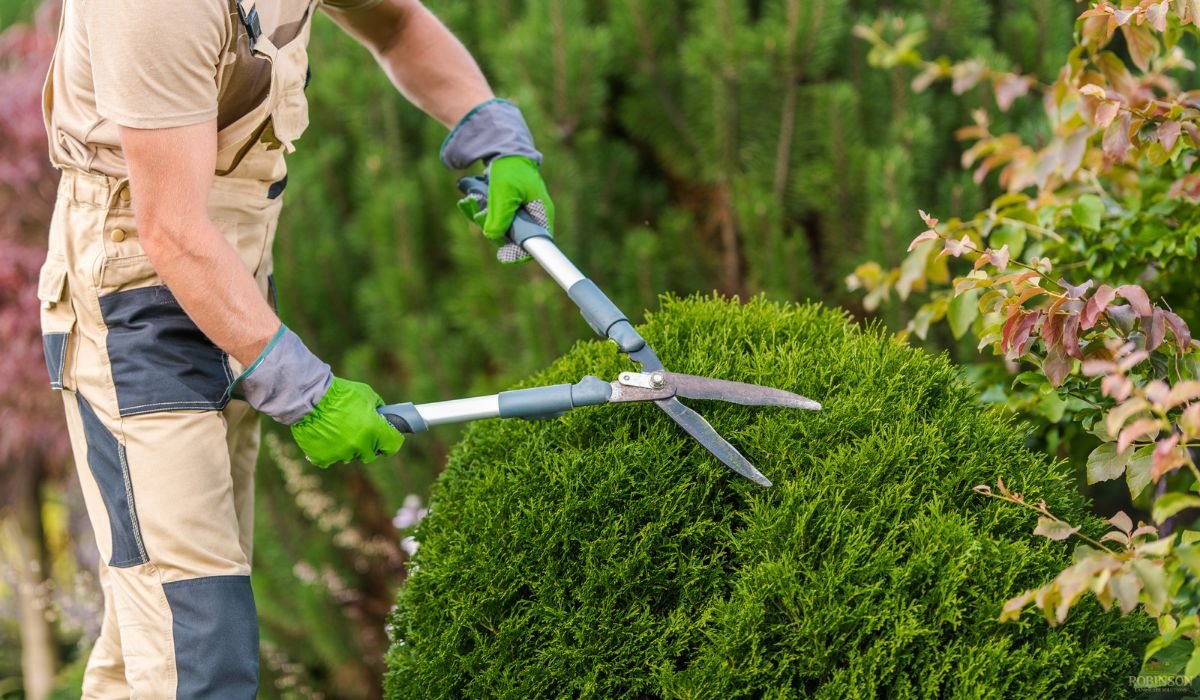
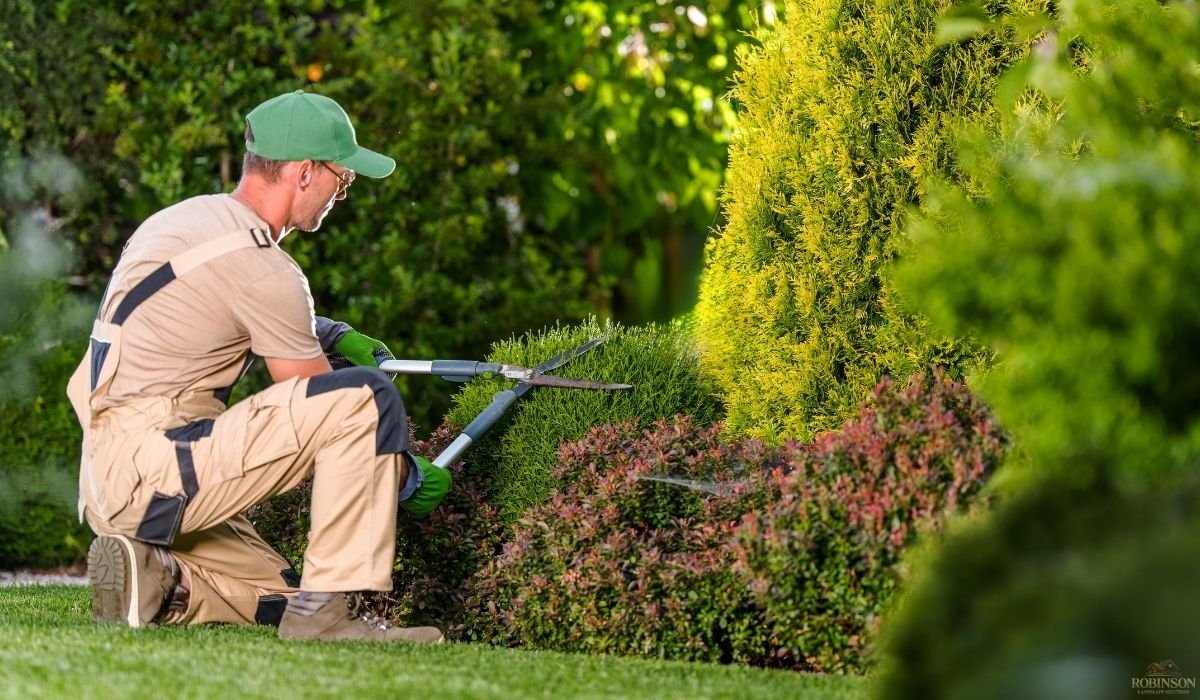
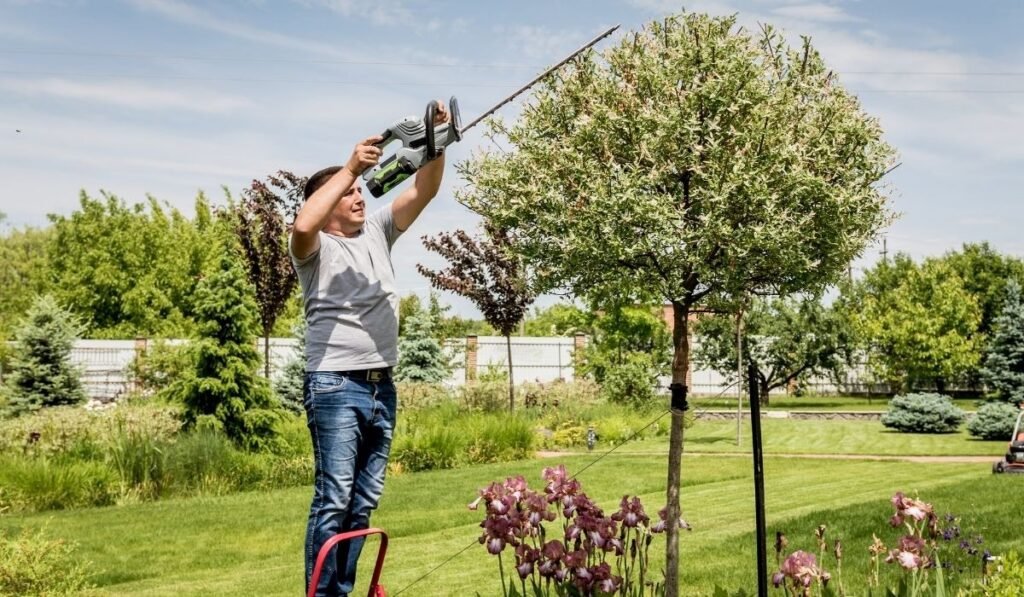
Shrub pruning happens with sharp shears, never hedge trimmers, on formal varieties. Trimming trees means cutting dead limbs before they fall on your fence.
Here’s a question we get often: Do you need a degree to do this work? Not always. Crew members build practical skills through on-the-job training. One season of shadowing a senior tech teaches more than two years of textbooks. But formal education matters too.
Senior team members might hold a degree in horticulture or landscape architecture. That knowledge shows up when a client asks, “Why did my Japanese maple turn brown in July?” We know the answer. Because we understand soil pH and sun scorch.
So what do landscaping companies actually deliver? We maintain landscapes so they stay visually appealing year after year. That’s the job. No shortcuts. As landscape professionals, we treat every outdoor space like a living investment. Because it is.
Tip from the truck: A good crew spends 70% of its time on plant health and 30% on mowing. If you see the opposite, keep looking.
Let’s Bring Your
Vision To Life
Landscape Architects, Designers, and Contractors — Who Does What
Three different jobs, one big confusion. Let’s clear it up.
Every property owner deserves to know who they’re hiring. The weird thing is that these titles get tossed around like they mean the same thing. They don’t. Here’s the breakdown.
Landscape Architects
Landscape architects handle master planning for large sites. Think safety and environmental standards first, pretty plants second. They perform complex site analyses—slope angles, water runoff patterns, and soil compaction tests.
A landscape architecture degree from an accredited program is required, no exceptions. These pros coordinate with civil engineers and builders on residential developments and commercial properties.
One example: a new subdivision with stormwater ponds and shared greenways. That’s architect territory.
Landscape Designers
Landscape designers lead with artistic vision and creative vision. They live for color, texture, and bloom times. Their superpower? Regional plant selection. A great designer knows that Fort Wayne’s clay soil kills azaleas in two years.
So they recommend ninebark or serviceberry instead. Many hold certification programs in arboriculture or botanical design, no formal degree required. But don’t mistake a missing credential for missing talent.
Some of the best landscape design we’ve seen came from self-taught artists with twenty years of field experience.

Landscape Contractors
Landscape contractors take those detailed plans and make them real. We are the implementation layer. An architect draws a curved retaining wall. A designer picks the stone color.
The contractor shows up with a mini excavator and a laser level. We pour footings, set drainage pipe, and plant every single perennial. Without a skilled landscape project executor, even the best drawings stay on paper.
Which brings us to a hard truth: You can have a gorgeous blueprint. But if the contractor rushes the grading, that patio will crack by spring.
Bottom line: Hire the right role for your scope. Big development? Architect. Backyard refresh? Designer. Full installation? Contractor. When you need all three working together, that’s where we shine.
Engineering the Ground Beneath Your Feet — Hardscaping, Drainage, and Soil
Pretty plants fade fast if the ground underneath is fighting against them.
Here in Fort Wayne, our heavy clay soil acts like concrete when it dries out. It compacts easy. Water sits on top instead of soaking in. A new homeowner once asked us, “Why does my backyard turn into a swamp every April?” Good question. The answer lives below the surface.
Professional landscapers apply analytical skills and technical knowledge to read soil conditions before a single shovel hits the dirt. We test percolation rates. We map low spots. Then we build functional structures that actually work.
Here’s what that looks like in practice:
- Install drainage tiles (perforated pipes buried two feet down) to carry water away from foundations.
- Build rain gardens with deep-rooted native plants that drink up standing water.
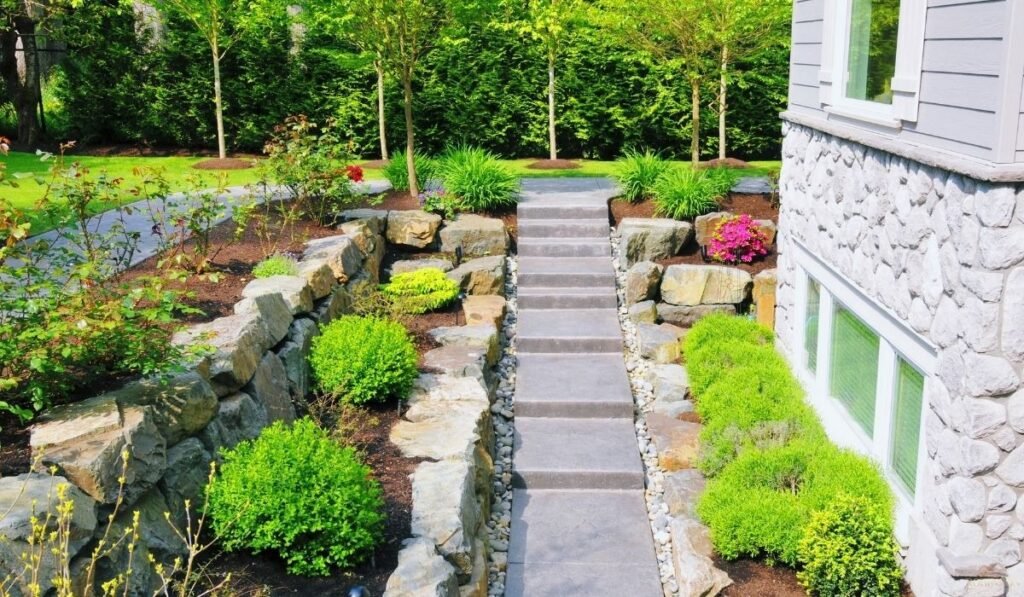
- Engineer boulder retaining walls that redirect runoff instead of just looking pretty.
Landscapers install more than plants. We reshape outdoor areas with grading slopes; a gentle one percent pitch moves water toward the street, not your basement. We pour custom patios on compacted gravel bases so they don’t crack after one freeze-thaw cycle.
Water management matters more than most people realize. Our irrigation technicians handle precision irrigation installation to protect root systems.
Here’s the real upgrade: Smart irrigation systems. We program controllers that pull real-time evaporation data from local weather stations. The system waters deeper but less often. That saves thousands of gallons a season.
The weird thing is that the best landscape professionals spend half their time on stuff nobody sees. Things like drains, grading, and soil amendments.
But here’s the kicker: that invisible work determines whether your yard survives a Fort Wayne downpour or turns into a mud pit. Get the subsurface right, and everything above ground gets a fighting chance.
What we learned the hard way is that a $20,000 patio on bad drainage fails in two years. The same patio on engineered ground lasts twenty.
Plant Health, Seasonal Stewardship, and Year-Round Care
A well-designed landscape isn’t a finish line. It’s a starting point.
Think of your yard like a living creature. It breathes, grows, and gets sick. Without year-round landscape maintenance, even the most expensive installation turns into a weedy mess.
We’ve seen it happen. A gorgeous Japanese garden, full of dead trees and shrubs by August, because nobody adjusted the irrigation after a heat wave.
So what does real plant health look like? It starts with plant science. We choose plants suited to the local climate.
Fort Wayne gives us hot, humid summers and severe winters, and that kills vulnerable species. (RIP to the crape myrtles we tried a few years ago. Never again.) We stick with cold-hardy ornamental plants like oakleaf hydrangea and native dogwood.
Plant care means three non-negotiable things:
- Proactive pest control and pest management before an infestation spreads. Check for Japanese beetle grubs in July. Treat for bagworms in late spring.
- Micronutrient balancing—iron for deep green leaves, phosphorus for root strength. Healthy plants display full seasonal color, while dead plants just look sad.
- Protecting trees from lawn equipment damage. One weed whacker strike to the bark can kill a mature maple.
Which brings us to the calendar. Spring and summer demand heavy landscaping work: turf fertilization, planting seasonal annuals, and monitoring moisture levels.
Fall means leaf removal (obviously), plus structural pruning while branches are bare and easy to read. We also insulate plants with a thick mulch layer before the first hard freeze.
In winter, that’s snow removal and ice management, which is critical in Fort Wayne. We also apply winter mulching (shredded bark or straw) to protect roots from freeze-thaw cycles.
Premium properties get custom seasonal install work too: dormant pruning of oaks, installation of winter-interest evergreens, and hardscape repairs when the ground is frozen solid.
A successful landscaper needs more than green thumbs. Organizational skills to schedule 80 properties across four seasons.
Problem-solving skills when a client calls about mushy bark on a $5,000 legacy oak. Communication skills to explain why that boxwood hedge needs to go (hint: blight). We lean on a skilled team that treats every property like their own.
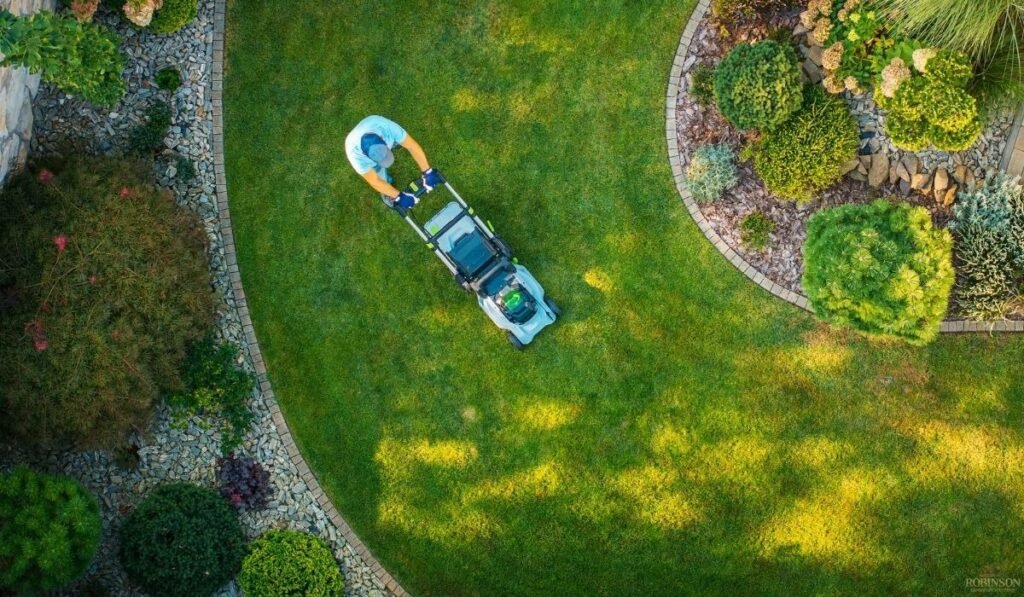
Bottom line: Adaptive year-round landscape maintenance separates a managed living asset from a yard that quietly loses value. One looks better every season. The other keeps you up at night. Pick the first one.
Final Thoughts
So here’s the real question. Not what do landscapers do, you know that now. The better question is, at what level of precision do they do it?
We covered the whole spectrum. Daily maintenance keeps things tidy. Design roles shape the vision. Subsurface engineering stops floods before they start. Plant science keeps healthy plants alive through Fort Wayne winters. And four-season stewardship? That’s the secret sauce.
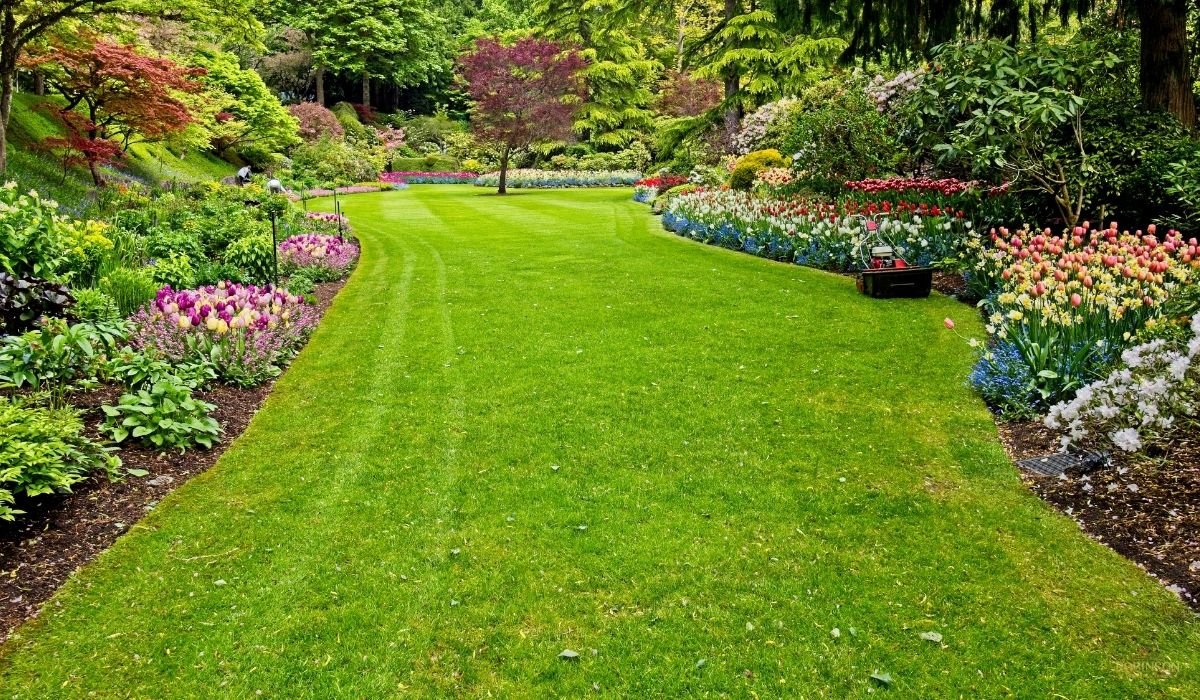
Your outdoor spaces deserve more than a mow and blow. They deserve professional landscapers who treat every yard like a long-term investment. That’s how you protect property value.
Want to see the difference? Visit Robinson Landscape Solutions. Browse our estate management and design-build work.
A well-designed landscape isn’t luck. It’s precision, every single time.