Americans now spend billions on professional landscaping every year, with the industry generating roughly $176 billion annually and supporting close to one million workers nationwide. That scope covers far more than mowing grass.
Modern estate landscaping includes irrigation systems, tree installation, retaining walls, drainage engineering, and curated outdoor spaces designed to protect long-term property value. From our experience, estate owners rarely ask, “Can this yard look better?”
The smarter question is, “What does landscaping include in Fort Wayne when the property itself is a major investment?”This guide breaks down the systems, planning, and landscape maintenance strategies behind elite landscapes for both residential and commercial properties.
Curious about the basics first? Our guide on “what is a landscaper” explains the profession itself. The companion article “What Do Landscapers Do?” explores day-to-day services in detail. Readers who want the full foundation should start with our post, “landscaping 101.”
Short Summary
- Elite estates need more than basic lawn care. They require full landscape design, smart hardscape installation, thoughtful plant selection, advanced irrigation, and consistent landscape maintenance.
- Professional planning and ongoing stewardship protect your investment while creating beautiful, functional outdoor environments.
- The same proven methods work for both luxury homes and commercial properties in the Fort Wayne area.
Architectural Vision and Landscape Design
Great estates don’t happen by accident. They start with a plan. Not a napkin sketch, but a full landscape design blueprint that treats every acre like a room in your home.
The Conceptual Master Plan
Before a single shovel hits the soil, we evaluate the property. We study the home’s architecture, the sun’s path, even the way wind moves across open fields. This creative vision becomes a unified roadmap. Think of it as the DNA for your entire landscape project.
Here’s what often happens before any landscape project begins:
- Architectural analysis of the residence
- Site-specific grading studies
- Drainage and stormwater review
- Utility mapping and zoning checks
- Blueprint-level circulation planning
For instance, a Fort Wayne estate with western exposure may require shade structures near evening entertainment areas. Tiny detail. Huge comfort upgrade.
The weird thing is many failed luxury landscapes skipped this stage entirely. They looked pretty on paper. Then guests baked in the afternoon sun beside heat-retaining stone patios. Brutal.
Landscape Architects vs. Landscape Designers
Here’s where people get confused. Landscape architects handle the heavy lifting: spatial engineering, grading, and macro property integration. They answer questions like “How do we stop erosion from this hill?”
Landscape designers focus on the sensory layer. Color palettes, plant arrangement, and that “wow” feeling when you walk outside.
Many estate tier projects need both, and its because landscape architecture ensures the driveway won’t collapse. Landscape designers make sure you smell lilacs from your kitchen window. Two different skills, one seamless result.
Let’s Bring Your
Vision To Life
Function Meets Aesthetics
We ask a simple question: “How will you actually use this space?” Because traffic flow matters. You don’t want guests trampling your new flower beds to reach the fire pit. View protection is another layer. Frame that sunset, hide the neighbor’s utility shed.
These principles scale from small residential projects to sprawling estates. The goal remains the same: create functional, visually appealing outdoor rooms. Well-designed outdoor spaces feel effortless. But trust us, the effort happened on paper first.
Here’s a tip from our design team: always walk the property during a thunderstorm. You learn where water pools are. That’s aesthetic appeal with practical guts.
Hardscape Installation and Structural Engineering
Plants die back in winter while stone stays. That’s why hardscape installation forms the backbone of any elite estate. Get this right, and everything else has a home.
Engineering the Inert Framework
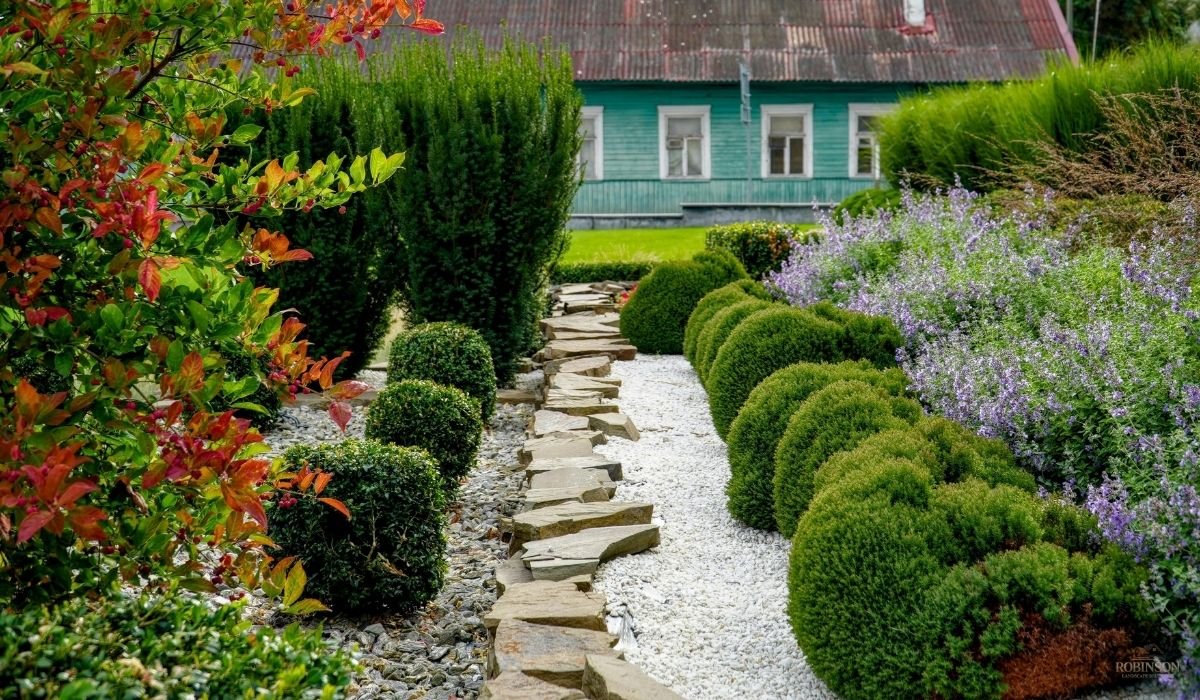
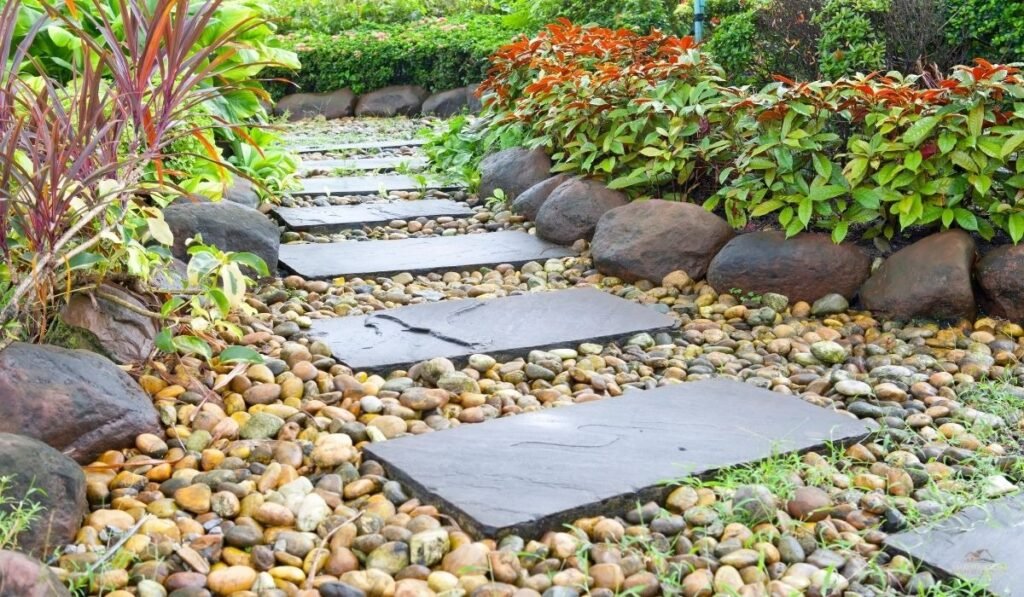
Think natural stone walkways that never shift after a freeze-thaw cycle. Flagstone terraces where you host summer dinners or entertainment pavilions that laugh at Indiana humidity.
These hardscaping elements endure Midwestern seasons because we engineer them for frost lines and clay soil.
One example: a client wanted a gravel driveway. Pretty, right? But gravel on a slope near Fort Wayne turns into a river after rain. We switched to permeable pavers. Same look, but zero erosion.
Grade Control and Water Management
Retaining walls do more than look sharp. They hold back tons of earth. Building structures like these prevent slope erosion. We see so many estates with poor drainage because someone skipped proper grading. And the result is predictable: Soggy lawns and cracked foundations.
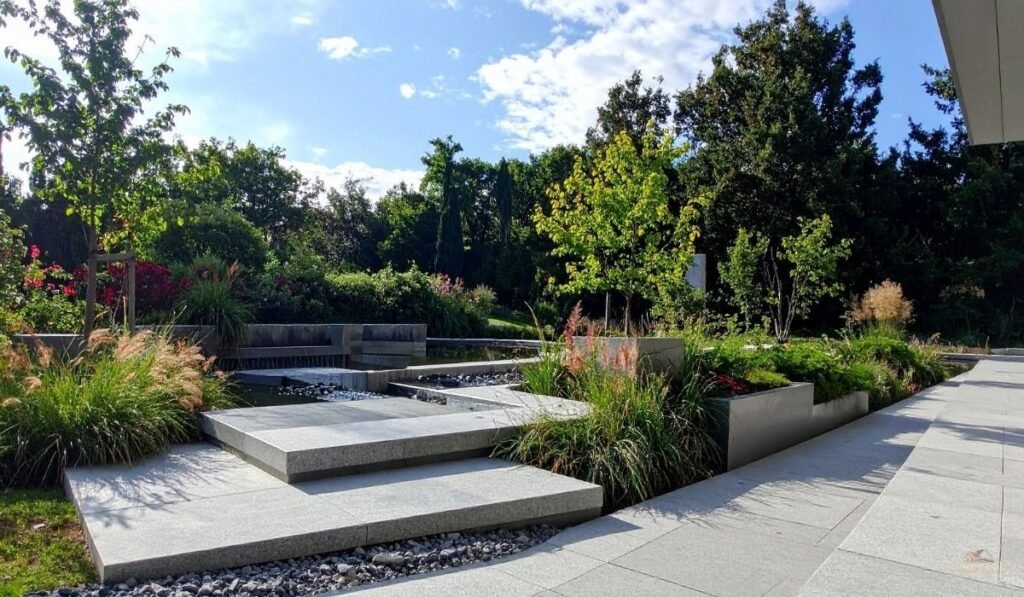
Proper grading directs water away from your home. It also creates level zones for patios or sport courts. Got elevation changes? We turn them into terraced gardens or waterfall features. That’s smart engineering with a pretty face.
Atmospheric Features and Material Selection
Luxury landscapes rely on tactile detail. Texture, temperature retention, and weather resistance all affect long-term performance.
Popular visible features include custom fire bowls, reflecting pools, and integrated water features surrounded by natural masonry. These details help create spaces people actually use.
Material selection matters too, especially in Indiana climates.
For example:
- Local limestone handles seasonal expansion well
- Weather-resistant hardwoods reduce warping
- Porcelain pavers resist moisture absorption
Choosing appropriate materials reduces maintenance headaches later. Cheap surfaces age fast.
Horticultural Curation and Plant Selection
The living canvas changes every season. That’s the fun part. Plant selection at the estate level requires science, not just a love of pretty flowers.
Eco-Conscious Plant Selection
We start with native plants. These plants survive drought, flood, and our crazy temperature swings. Ornamental grasses add winter movement when everything else is brown.
Pollinator-friendly flowering species bring bees and butterflies. A garden without insects is a dead garden.
One Fort Wayne estate wanted all roses. Gorgeous, but roses need constant spraying. We convinced them to mix in purple coneflower and a little bluestem. Now they have color from June to October with half the work. Selecting plants for aesthetics alone fails. You need resilience.
Layered Garden and Flower Beds
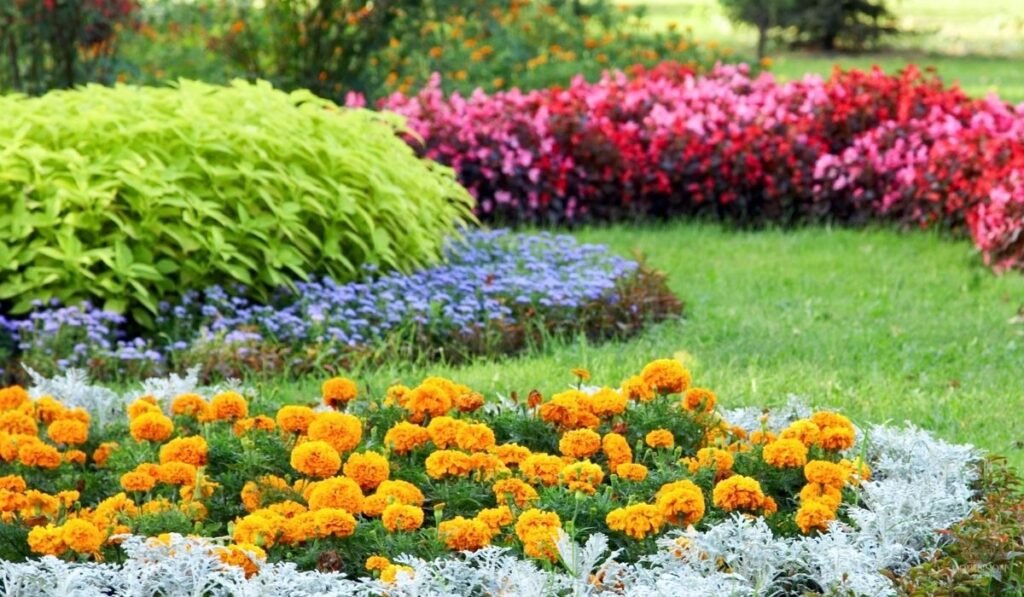
Garden beds with one row of petunias? That’s beginner stuff. We layer plants: tall grasses in back, mid-height shrubs, then ground covers. This creates multi-season depth. Flower beds should look good in April, July, and October.
The strategic anatomy of planting flowers includes bloom time staggering. When the tulips fade, the allium pops. When alliums drop, the black-eyed Susans take over. No ugly gaps. Visual interest every single week.
Soil, Climate, and Local Ecology
Healthy landscapes start underground. Strong roots depend on balanced soil conditions, proper drainage, and regional compatibility.
Before selecting plants, professionals often evaluate:
- Soil pH
- Clay density
- Sun exposure
- Wind patterns
- Freeze cycles tied to the local climate
That’s where real plant science enters the conversation. Some estates even support controlled habitats for birds, butterflies, and beneficial insects that support both the environment and plant vitality.
Thoughtful landscapes welcome local wildlife without sacrificing elegance. That balance creates healthier ecosystems and more resilient, healthy plants over time. Pretty smart, honestly.
Advanced Irrigation Installation and Water Optimization
Water is expensive. Waste it, and you burn cash. Skimp on it, and those $500 specimen trees turn into firewood. The sweet spot? Engineered irrigation installation that delivers exactly what each plant needs.
Smart Hydration Frameworks
Custom zoned irrigation systems treat your lawn differently than your flower beds. A sunny slope needs more water than a shaded hosta patch. We map every zone before pipe touches dirt.
Why do estate-scale projects need engineered water delivery? Because a single hose bib won’t cut it.
For example, one client had three acres of mixed gardens. Their old system soaked the driveway half the time. We installed separate zones for turf, vegetable beds, and ornamental grasses. Problem solved!
Precision Delivery and Sensors
Watering often leaves waste resources. However, root-zone hydration changes the game.
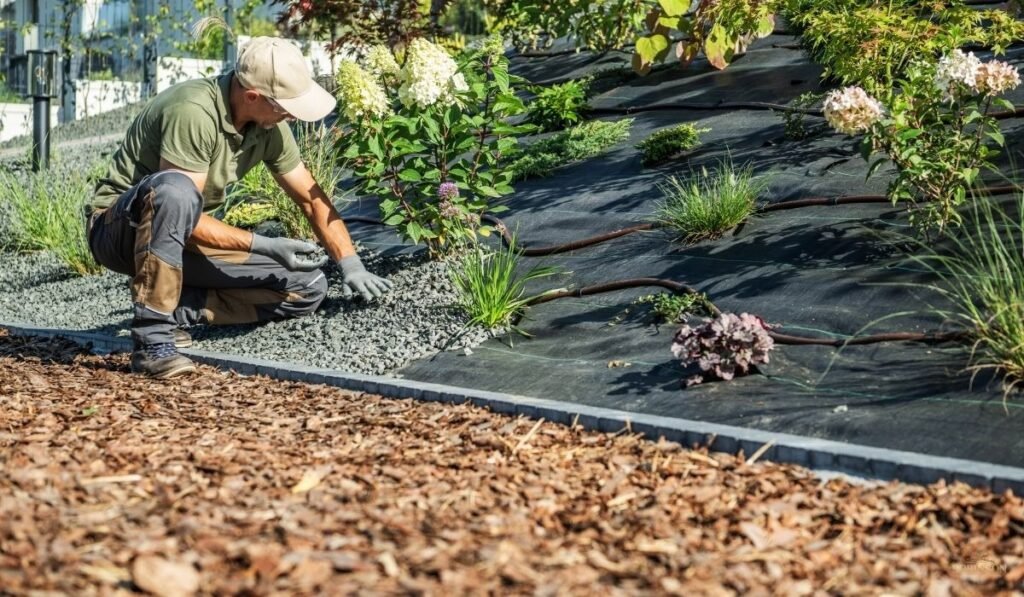
Modern estates frequently use drip irrigation and micro-emitters that deliver water directly beneath mulch layers. That precision limits evaporation and supports deeper root development.
Some systems now include:
- Real-time soil moisture sensors
- Freeze detection shutoffs
- Rain-skip automation
- Flow-rate monitoring alerts
Here’s a practical example: mature hydrangeas may require different moisture thresholds than ornamental grasses nearby. Precision matters at scale.
Conservation and Compliance
Reducing runoff matters in 2026. New safety and environmental standards require backflow prevention and rain shutoff devices. And at Robinson Landscaping, we follow environmental standards.
Certified irrigation technicians tune your system twice a year: spring startup or winter blowout. They check for leaks, adjust spray patterns, and replace clogged emitters.
Those are eco-friendly practices with a tangible payoff, resulting in lower bills, healthier plants, and less guilt.
What Does Landscaping Include for Ongoing Stewardship?
Here is the question that keeps estate owners up at night. (We hear it weekly.) You dropped serious money on design and installation. Now what? Landscape maintenance is the answer. But not the kind your neighbor uses.
Beyond Weekly Mowing: Elite Care Programs
Care is continuous asset management, not a guy with a weed whacker who shows up every ten days.
Comprehensive landscape maintenance services often include:
- Turf monitoring
- Pruning schedules
- Irrigation calibration
- Soil diagnostics
- Storm recovery inspections
The weird thing is, most people confuse maintenance services with lawn mowing. That’s like saying car maintenance means washing the windows. The scope of comprehensive ongoing maintenance services covers everything from mulch renewal to irrigation audits.
Precision Turf and Seasonal Transitions
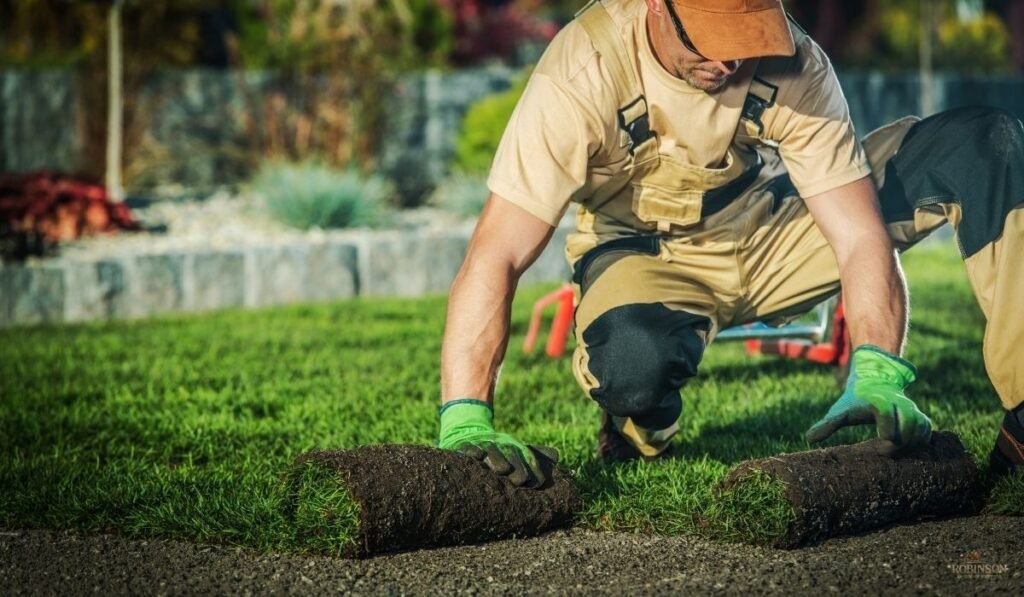
Basic lawn care includes mowing. Ours includes aeration, dethatching, and overseeding. Three passes that transform thin, weedy grass into a carpet.
Seasonal cleanup happens twice a year. Spring: remove fallen branches, rake winter debris, edge beds. Fall: blow leaves, cut back perennials, apply winter fertilizer.
One client skipped spring cleanup for two years. (Life got busy.) We found four inches of matted leaves smothering their crocuses. A single visit fixed it.
Plant Health and Diagnostic Evaluations
Weed control starts with prevention. Pre-emergent in spring, spot spraying in summer. Pest management targets bagworms, Japanese beetles, and aphids before they explode.
Common evaluations include:
- Weed control
- Pest management
- Soil management
- pH balancing
- Root-zone inspections
- Canopy density analysis
For example, chlorosis in hydrangeas often signals pH imbalance instead of nutrient deficiency. Misdiagnosis wastes money fast.
Routine site analysis also helps teams detect irrigation leaks, fungal pressure, or compaction issues early. That proactive approach supports healthier landscapes while enhancing property appearance and long-term performance. Smart stewardship pays off!
Final Thoughts
Successful landscaping doesn’t happen by accident. It takes master planning, hardscapes, smart irrigation, and year-round care. That multidisciplinary approach protects your asset. It also builds property value over time.
The same principles scale to commercial properties, too. A corporate campus needs the same thoughtful stewardship.
Want attractive outdoor spaces that feel like enjoyable spaces? We design, install, and maintain them. A well-designed landscape is a professional service we deliver every day. Landscaping services start with a conversation.
Visit our homepage to see how we handle estates in Fort Wayne. No pressure, just good information.