Artificial Turf Cost Calculator for Fort Wayne Yards
Enter the area you want covered, pick the type of turf project, and tell us about your yard’s layout. You’ll get an installed cost range based on current Fort Wayne market rates — including base prep, materials, and labor.
This calculator provides planning estimates based on typical Fort Wayne installed rates of $8–$20 per square foot, which vary with project size, turf type, and site conditions. It can’t account for hardscape removal, grading, drainage issues, or utility conflicts — those are confirmed during an on‑site assessment. Upkeep savings compare typical annual lawn care ($500–$1,200) with turf maintenance ($50–$150).
Most artificial turf projects run $8 to $18 per square foot installed. That's too wide a range for one clean cost per square foot answer.
The reason is that turf spec, base prep, and yard shape move the artificial turf cost more than square footage does, so two same-sized yards can land thousands apart.
From our experience, homeowners start comparing turf to real grass around the time they tally up how much of the year goes into mowing and watering.
The American Time Use Survey from the U.S. Bureau of Labor Statistics found Americans put in close to 70 hours a year on lawn and garden care, nearly two work weeks behind a mower.
That number makes the upfront cost of artificial grass worth a closer look. This artificial turf cost calculator in Fort Wayne turns that guesswork into a number built for your yard.
This guide picks up where our lawn care cost calculator left off, focused on turf pricing instead of upkeep. Once you've run your numbers here, the lawn area calculator can help nail down exact square footage.
For the bigger picture across every project type, the lawn care calculator ties it all together in one place.
Short Summary
- Most artificial turf projects cost $8 to $18 per square foot installed
- Turf spec, base prep, and yard shape swing the price more than square footage does
- Small jobs cost more per square foot than large ones, thanks to fixed setup costs
- Real grass runs $500 to $1,200 a year to maintain; turf runs $50 to $150
- A typical installation breaks even between years 8 and 12
- Quality turf lasts 15 to 25 years with proper care
- An on-site visit turns the calculator's range into a fixed, accurate number
What Artificial Turf Costs per Square Foot
Here's the number you came for, plus how to get one built for your exact yard.
How to Use the Calculator
Punch in your square footage, pick a turf type, and flag any tricky site conditions like slopes or narrow gates. The calculator handles the math from there. Takes about thirty seconds.
Typical Price Ranges by Project Size
Project size changes the price more than most people expect. Smaller jobs actually cost more per square foot, not less.
| Project size | Per sq ft installed | Typical total |
| Dog runs, small side yards (200–500 sq ft) | $14 – $20 | $3,000 – $9,000 |
| Standard residential lawns (500–1,500 sq ft) | $10 – $15 | $5,500 – $21,000 |
| Large or commercial areas (1,500+ sq ft) | $8 – $12 | $14,000+ |
Why does a tiny dog run cost more per square foot than a full backyard? Equipment mobilization, delivery, and crew setup stay close to fixed no matter the job size. Spread across more square footage, that fixed cost shrinks per unit. Spread across less, it doesn't.
That math shapes the total cost column just as much as the per-square-foot number does.
This is why a turf cost calculator beats guessing from a national average for artificial turf. Plug in your lawn size and get a more accurate estimate than any blog table can offer, this one included.
Our artificial grass cost calculator factors in project size automatically, so the initial cost you see already accounts for it.
Numbers, not vibes.
What Moves the Price Up or Down
Three factors swing your quote more than anything else. Get familiar with these before you call anyone.
Turf Type and Pile Height
Turf type and pile height make up the biggest single variable in your quote. They run roughly $2.50 to $8.00 per square foot for artificial turf materials alone.
Take putting greens, for example. They want short, dense blades, not the long, lush look you'd pick for a backyard. A play area wants the opposite: taller pile for cushion and bounce. Heavier isn't automatically better. It depends entirely on what the space is for.
Base Preparation and Drainage
Nobody sees this layer. It decides whether your lawn lasts fifteen years or five.
Base material, usually crushed base gravel, needs the right depth and real compaction to do its job. Picture a yard sitting on heavy clay soil (Fort Wayne yards, for instance). Clay drains poorly on its own, so proper drainage calls for a thicker base than sandy soil ever needs.
This is exactly why site prep gets its own line on every honest quote. Skip it, and you'll see the results by year three: puddling, settling, uneven patches. That's when the material cost you saved comes back to bite you in labor costs for a redo.
Site Access and Yard Shape
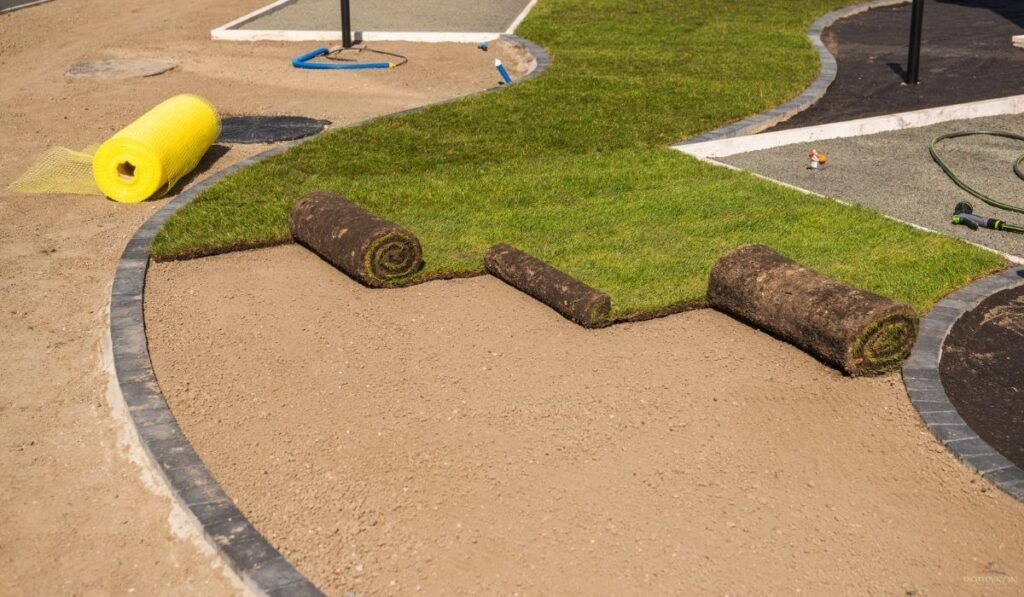
Yard shape and site access add up fast in installation complexity. Curved beds, tree wells, and a gate barely 36 inches wide all mean more labor hours and wasted material.
A rectangular backyard and an irregular front yard the same size? They can differ 20 to 30 percent in installed cost. That gap surprises a lot of homeowners.
One more thing worth flagging: add-ons change the number too. Shock pads for play zones and specialty infill for pet turf both raise the total, and anyone pricing out putting greens should expect those add-ons to matter even more.
Worth asking about upfront, not after the quote lands.
Let's Bring Your
Vision To Life
Artificial Turf vs. Real Grass Over 10 Years
The sticker price only tells half the story. Ten years in, the math looks different.
What a Real Lawn Costs Every Year
Natural grass isn't free after installation. A typical residential lawn runs annual costs of roughly $500 to $1,200 once you count fertilizer, weed control, seed, aeration, water, and mower upkeep. Add up real grass care over a decade, and that's real money.
There's also the time. Americans spend close to 70 hours a year on lawn and garden care, based on that BLS time-use data we mentioned earlier. That's nearly two work weeks, every single year, just keeping the yard presentable.
What Synthetic Grass Costs to Maintain
Synthetic grass flips that equation. Maintenance savings come from a short list: occasional brushing, a rinse now and then, and infill top-offs every few years. Call it low, not zero. Budget $50 to $150 a year for an artificial lawn, and that's usually the whole list.
When It Breaks Even
Lifespan matters more than any other number here. Quality turf lasts 15 to 25 years with proper care.
Run that against $500 to $1,200 in ongoing expenses for real grass, and a mid-sized installation typically breaks even between years 8 and 12. Not overnight. Not five years, either, whatever you might read elsewhere.
The Trade-Offs Worth Knowing
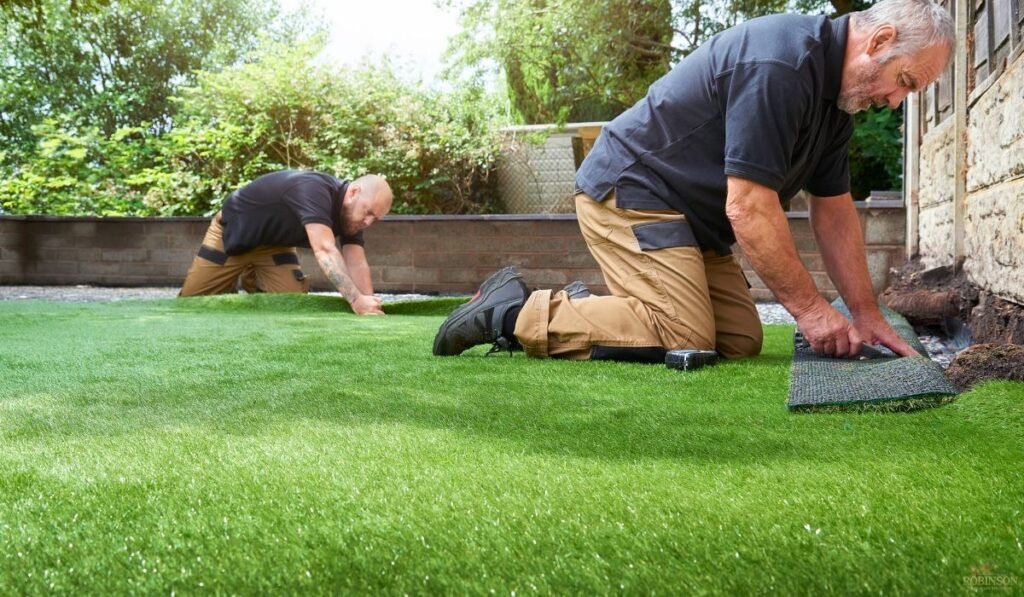
Turf isn't perfect. Surface temperature climbs in direct summer sun, sometimes uncomfortably so for bare feet. There's also a replacement cost waiting at the end of that 15 to 25 year lifespan.
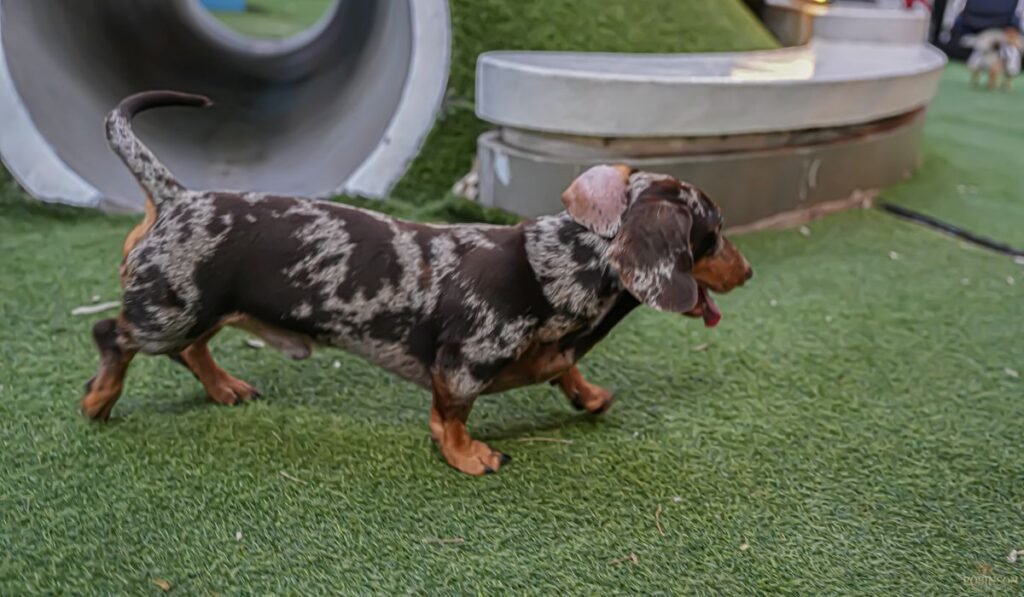
Pet owners should ask about odor management too. Infill that isn't specified for pets can trap smell over time. Worth knowing before you commit, not after.
None of this tanks the curb appeal case for turf. It just means going in with eyes open.
What the Calculator Can't Estimate
Every calculator has a ceiling. Here's where ours hands off to a real set of eyes.
An online tool works from averages. Your yard isn't average, it's specific. A few variables only show up during an actual site visit, and they shift professional installation pricing more than most homeowners expect:
- Existing hardscape or concrete that needs removal before turf goes down
- Slope and grading corrections to keep water moving the right direction
- Irrigation lines or utilities buried under the work area
- Equipment access, since a fenced backyard with a 36-inch gate changes the labor plan entirely
- Waste factor on irregular layouts, which can add 10 to 15 percent in installation waste to material quantities
Tight spaces and commercial applications both tend to surface at least one of these. That's not a flaw in the calculator. It's just the difference between an estimate and a quote.
An on-site measurement turns your range into a fixed number. That's the real value of a walkthrough, and it's the last step before installation cost gets locked in.
Final Thoughts: Getting an Accurate Turf Estimate
The range stays wide for one reason. Base prep and turf spec move the number more than square foot count ever does.
Here's the honest version: artificial turf costs more upfront. But it costs less every year after. Most yards land somewhere around the decade mark for breakeven.
That's the whole story, really.
Ready to see your number? Run your dimensions through the cost calculator above. For more projects like this one, our homepage has plenty to explore.