
A dollar invested in nature-based infrastructure returns four to eleven dollars in economic and property value. That return makes intentional outdoor investment a financial imperative for estate owners.
True master yard curation weaves together softscaping with plants, trees, and garden features alongside hardscaping with stone, paths, and structures to build the ultimate dream yard.
Every decision should reflect both the architecture of the house and the owner’s personal taste.
From our experience, the most successful properties start with a clear vision of how the outdoor space will be used and enjoyed. This article explores the primary types of landscaping in Fort Wayne to help you match the right approach to your estate’s character and your lifestyle.
You’ll learn how professional landscape design and landscape architecture transform ordinary yards into extraordinary living environments.
Our previous article covered what landscapers do to give you a foundation. Next, we’ll examine basic landscaping techniques for those just starting their journey.
This piece serves as part of our landscaping 101 series, building toward a complete understanding of outdoor transformation.
Short Summary
- Types of landscaping blend stylistic choices with practical landscape design to match your home and tastes.
- Hardscaping creates functional outdoor spaces while softscaping brings living beauty.
- Smart ecological moves protect your yard from Fort Wayne weather and clay soils.
- The right approach mixes personal style, solid structure, and local plants for lasting results.
Sculpting the Visual Legacy — Stylistic Types of Landscaping
Different landscaping styles extend the personality of a luxury home. The right style ties directly to the house structure and your personal taste. We match visual goals with existing architecture for results that last.
Any type of landscaping can shine when it feels like a natural part of the property. Which style speaks to your dream yard vision?
The Formal Traditional Aesthetic
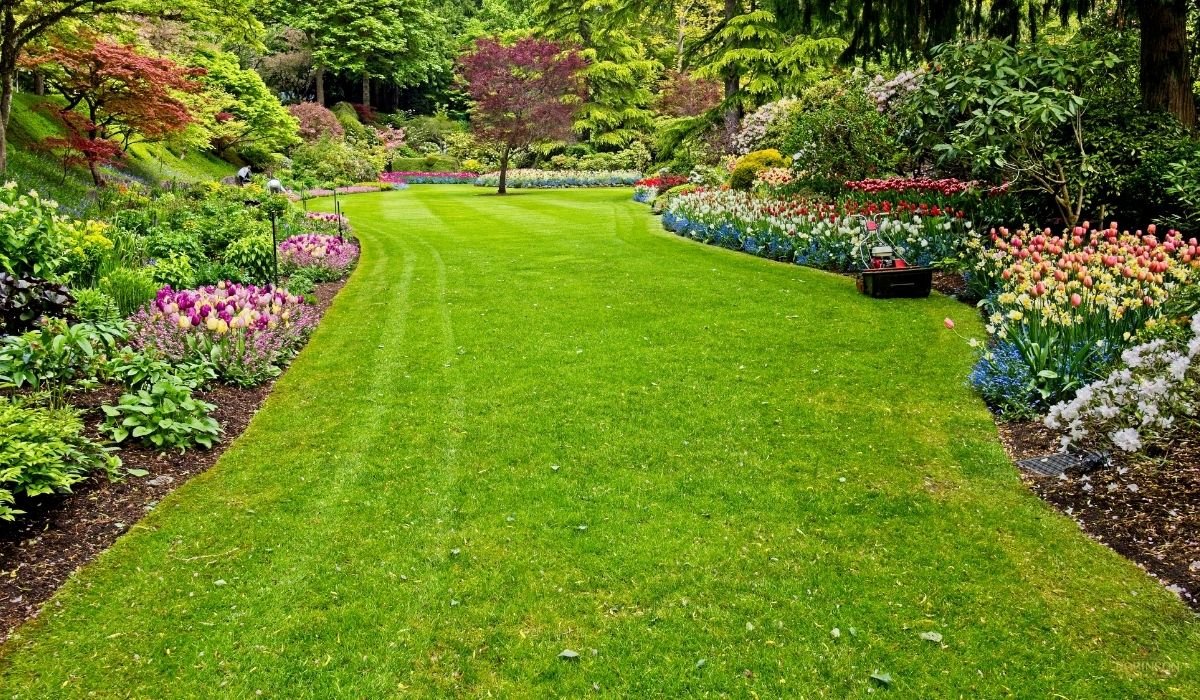
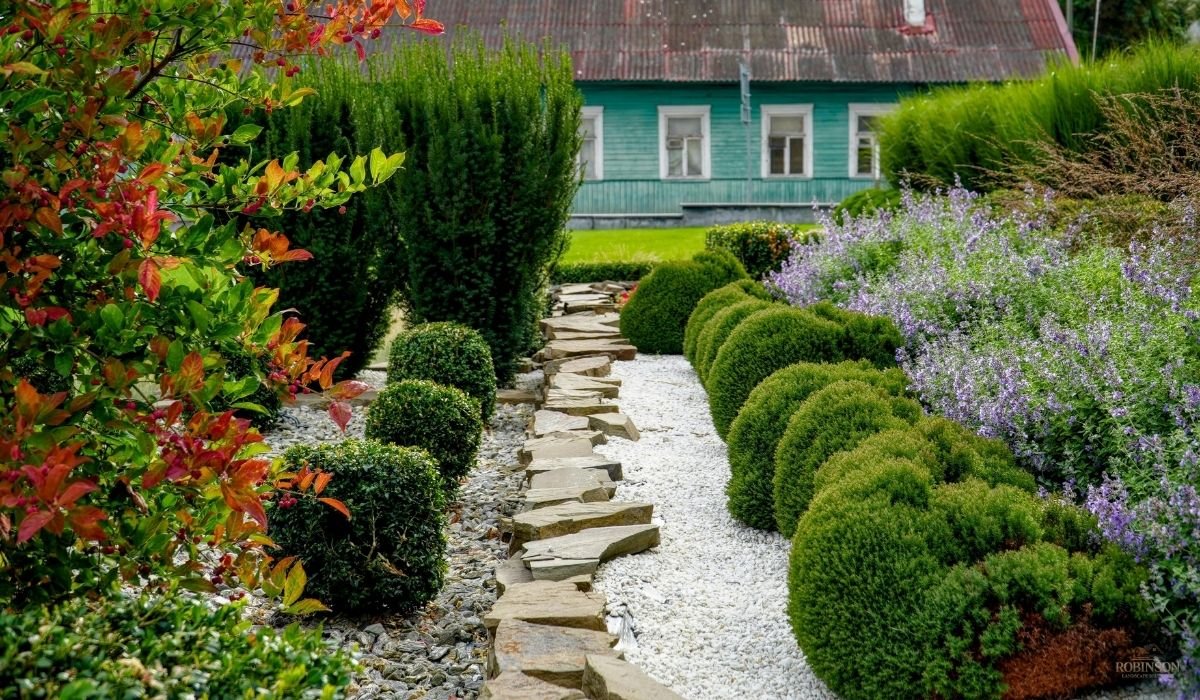
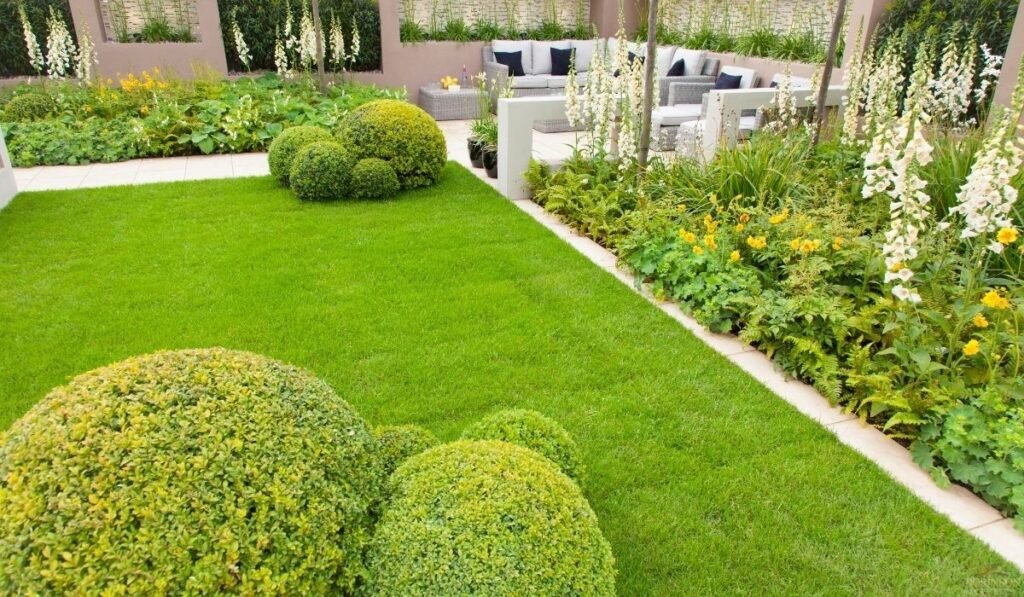
Formal traditional and formal garden styles deliver crisp order. We often see them on estates with classic architecture. Symmetrical layouts create instant balance.
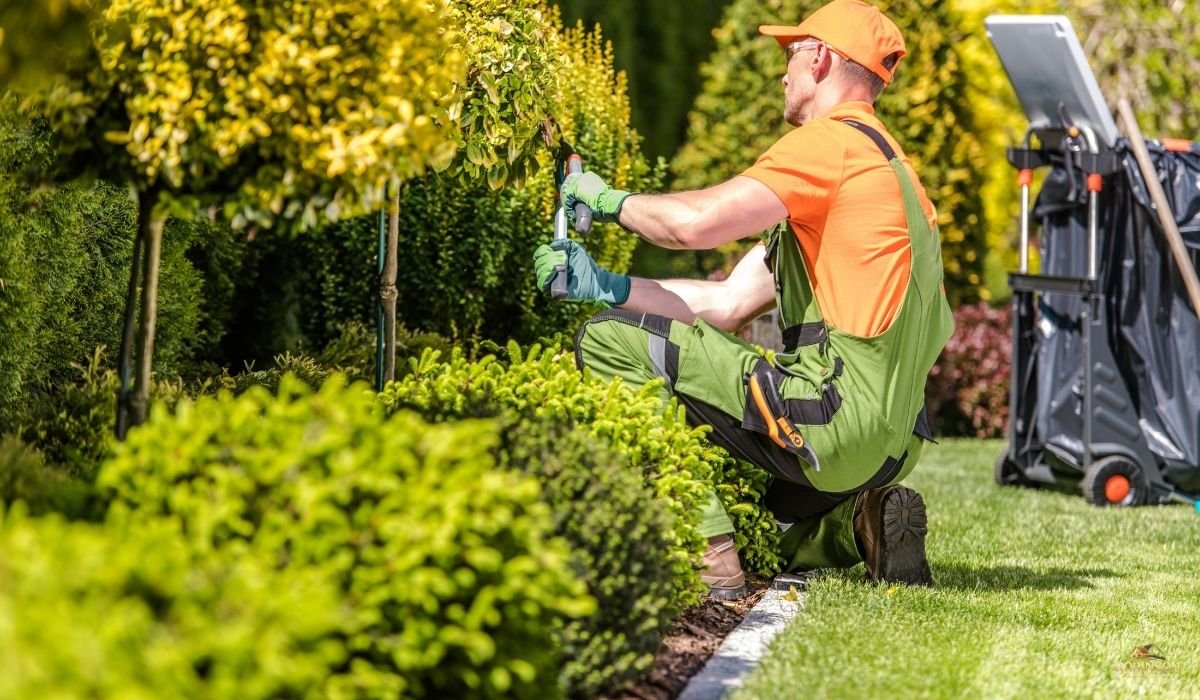
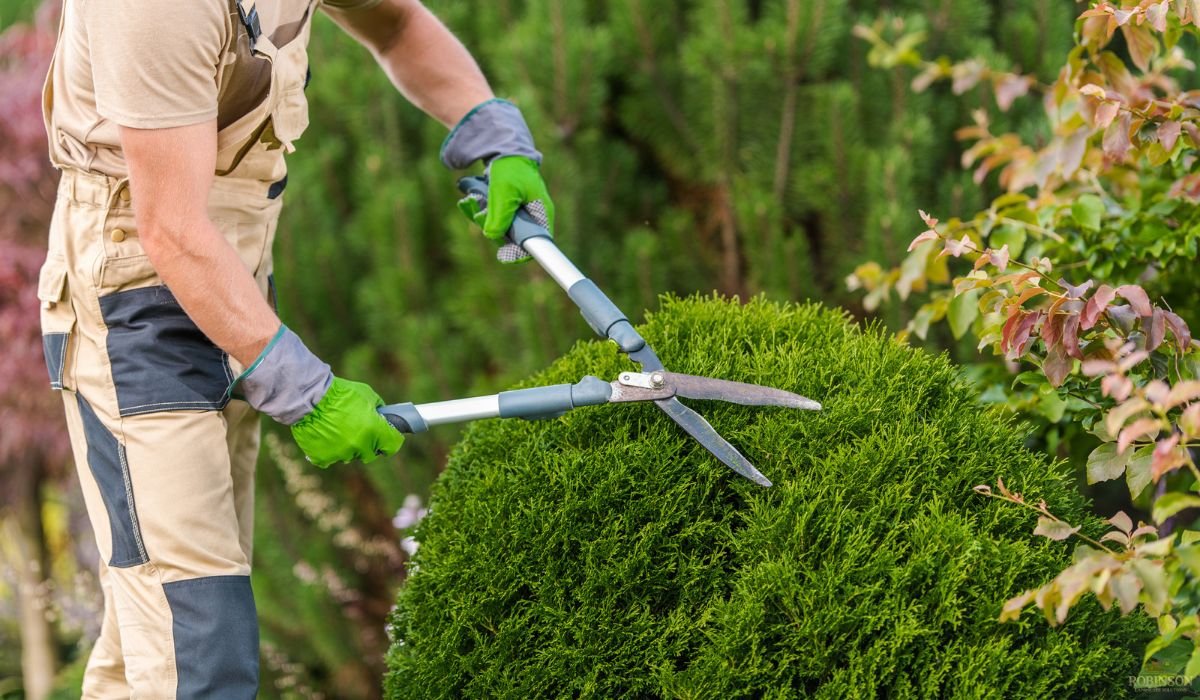
For instance, straight rows of precisely shaped boxwood hedges frame entryways. Evergreen shrubs line up in clean straight lines to guide the eye. Architectural focal points like statues or fountains anchor the design.
The result commands visual balance year-round. Picture your guests arriving to that polished welcome. That’s a solid choice for owners who value tradition.
The Modern Minimalist Aesthetic
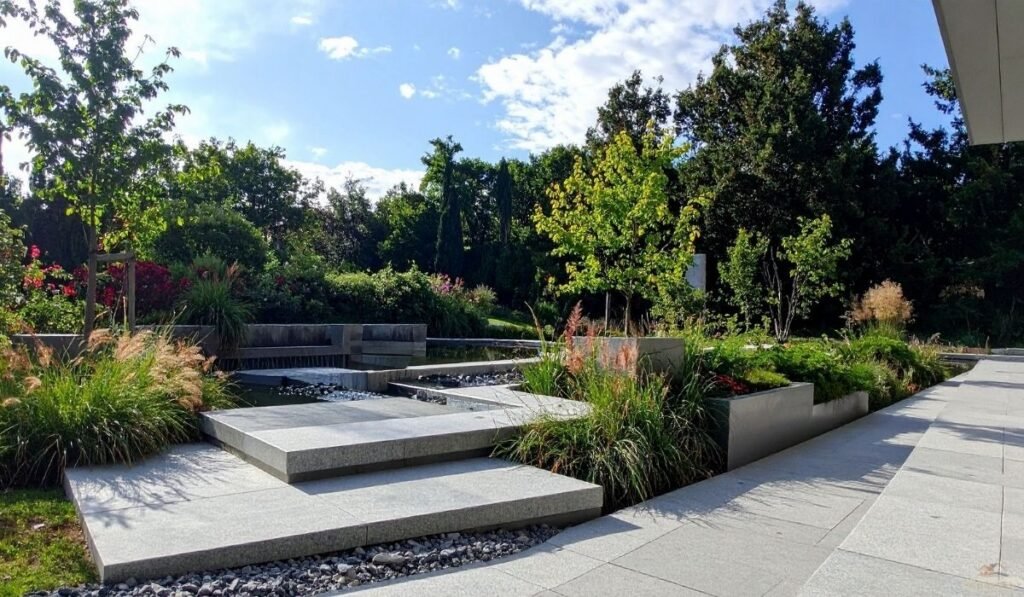
Modern design styles favor restraint and clarity. Clean lines and open spaces define the look. Muted tones keep things calm.
We layer textured ground materials beneath key plants. Decomposed granite, pea gravel, and permeable gravel add subtle interest. These sit under architectural plant material to hold the minimal palette.
Something we see often is when clients want a minimalist type but request “a little bit of everything.” That impulse defeats the purpose. Minimalism demands discipline. Every element must earn its place.
If a plant doesn’t contribute to the overall composition, it goes. We once designed a courtyard using only three plant material varieties repeated across the entire space. The result felt calm, intentional, and undeniably luxurious. Less truly became more.
The Naturalistic and Country Aesthetic
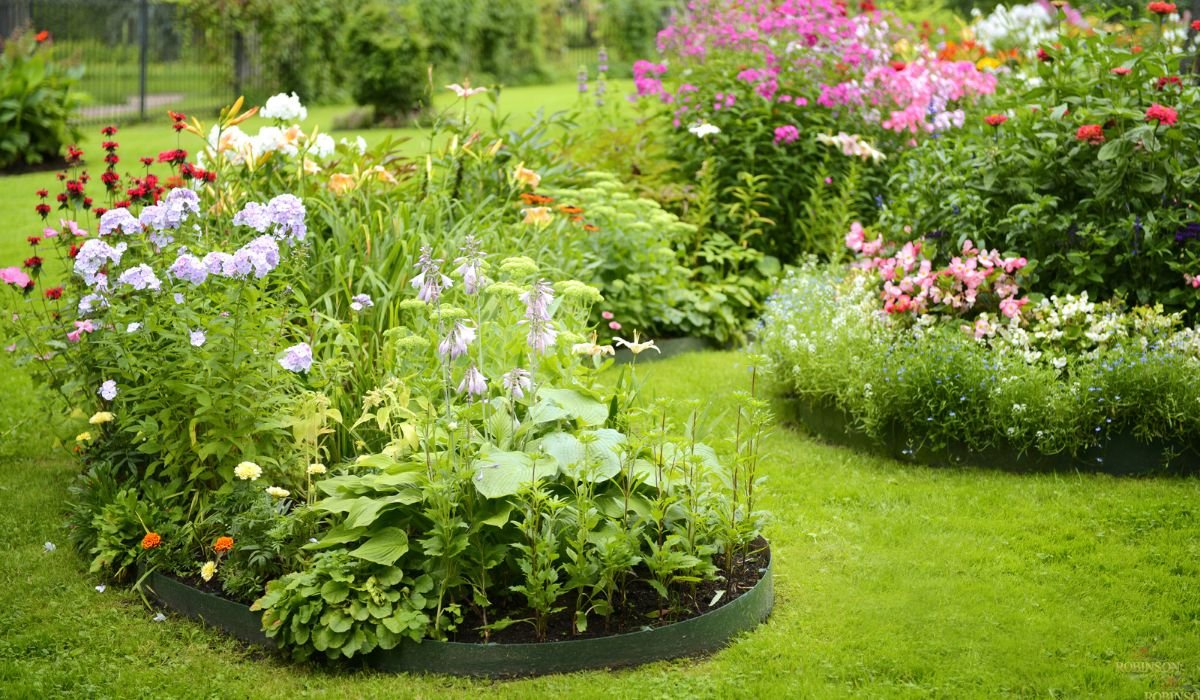
Naturalistic approaches contrast sharp formal lines. Cascading curved lines appear in English cottage and informal garden styles.
Layer flowering plants, ornamental grasses, and native flowering shrubs for soft boundaries. These create romantic, flowing edges that evolve with seasons.
One project mixed these decorative elements along a woodland border. The space felt alive yet intentional. Different landscaping styles like this reward patience. They grow more beautiful over time.
Pick your direction early. It saves headaches later. What fits your home best?
Let’s Bring Your
Vision To Life
Orchestrating the Living Infrastructure — Functional Landscape Design Ideas
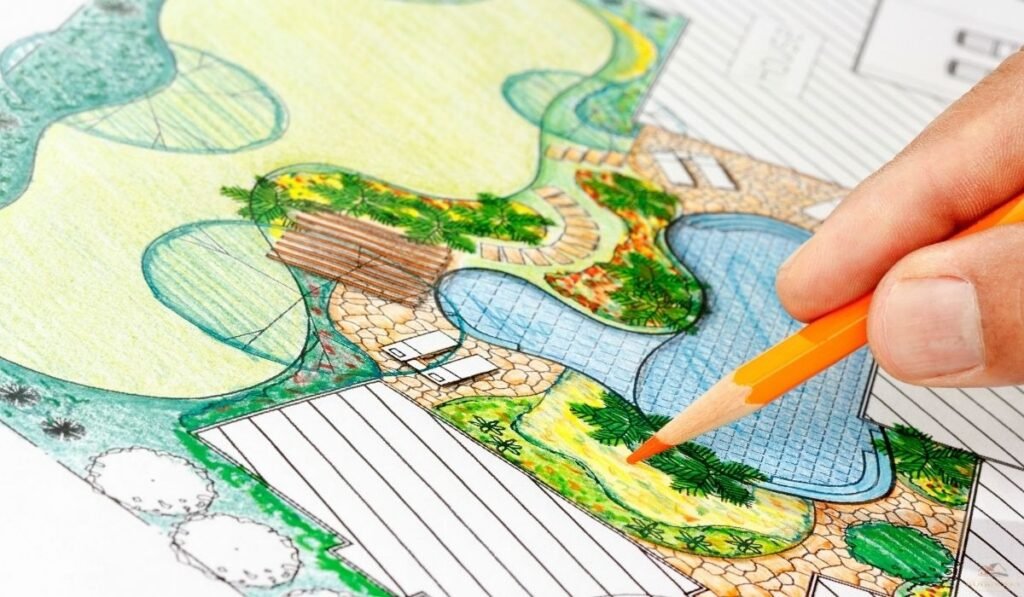
Premium hardscape shapes specialized outdoor rooms. It expands usable square footage. Smart choices deliver functional benefits through every season.
These landscape design ideas turn ordinary yards into true outdoor living extensions. Ready to claim more of your property?
The Epicurean and Social Hub
An advanced outdoor kitchen serves as the heart. Pair it with an integrated dining pavilion. Add a custom stone fire pit for evening glow.
We anchor these features in a generous poolside lounge area. The setup handles dinner parties with ease.
- Choose durable surfaces that handle spills and weather.
- Position the fire pit for safe traffic flow.
- Include storage that keeps the space tidy.
Guests linger longer in well-planned hubs. Makes hosting feel effortless.
The Wellness Sanctuary
Custom water features bring soothing sounds. Hidden bubbling urns add gentle movement. Tranquil meditation spaces complete the picture.
We design them to mask urban noise. The calm invites daily relaxation.
One setup used a small waterfall near seating. The sound shifted the whole mood, resulting in a peaceful reset right at home.
Structural Integrity and Vertical Depth
Custom stone masonry retaining walls manage slopes. Timber raised beds create multi-tiered seating areas. These build terraced geometric depth.
Hardscaping and softscaping work as one seamless system. They define high-end boundaries.
- Engineer walls to handle Fort Wayne freeze-thaw cycles.
- Use raised beds for better plant drainage.
- Layer heights to guide movement through the garden.
The weird thing is how much these elements boost property confidence. Strong bones underneath mean less worry.
We have seen these design ideas transform challenging sites into assets. Your outdoor space deserves that same attention.
Preserving the Estate Asset — Ecological Stewardship and Stormwater Management
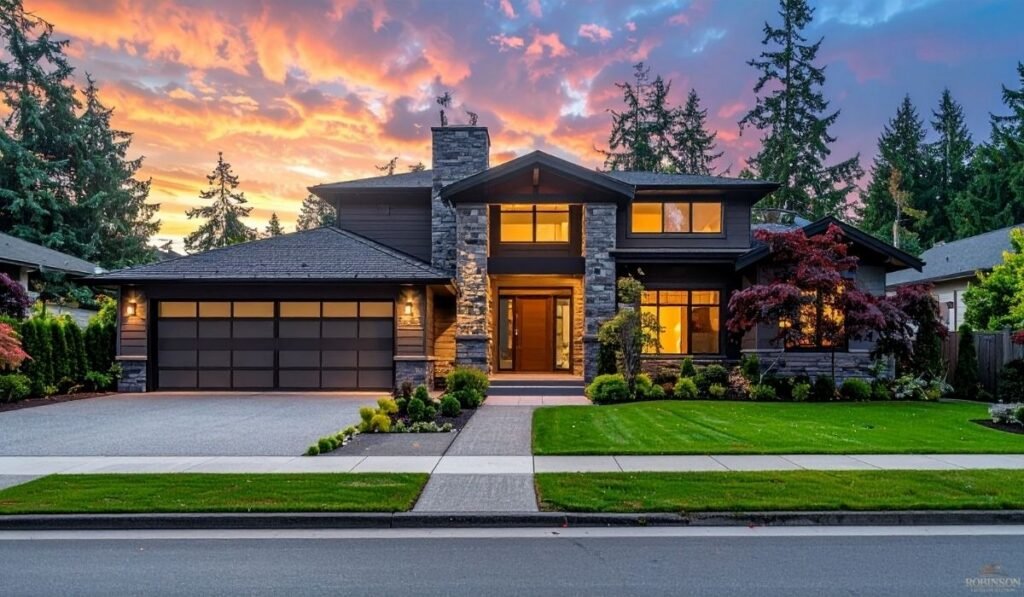
Fort Wayne brings heavy seasonal rain, intense freeze-thaw cycles, and stubborn clay soils. Smart ecological choices protect your property instead of chasing trends. These landscape design moves safeguard the yard value long-term.
We treat stormwater management as a core defense. It keeps foundations dry and erosion at bay. Ready to build resilience into your outdoor space?
Engineering the Ground
Proper site grading steers water away from house foundations. Integrated systems handle Fort Wayne downpours effectively.
We install permeable pavers in key zones. They let rain soak in and cut the runoff.
- Test soil drainage first on your site.
- Slope surfaces gently away from structures.
- Combine pavers with rain gardens for extra control.
One project redirected flow around a low-lying patio. No more puddles after storms. The yard stayed usable. Smart grading pays off fast!
The Living Canopy
Mature trees deserve careful preservation. Strategic placement of small trees builds a rich tree canopy. This shield lowers cooling loads in summer. It maintains soil biology through winter months.
And here’s a fun fact: tree canopies actually cool and humidify through shading and evapotranspiration.
In fact, data from the U.S. Environmental Protection Agency (EPA) reveals that shaded surfaces can run a dramatic 20°F to 45°F cooler than unshaded materials during peak summer heat, lowering ambient air temperatures by up to 9°F.
Here are proven steps to build and protect a healthy canopy:
- Protect existing mature trees during construction.
- Add small trees for layered coverage.
- Position them to block harsh winds.
The weird thing is how much cooler the natural world feels under good canopy.
Climate-Adapted Planting
Desert landscaping and desert designs with olive trees miss the mark in Indiana. Our climate demands local solutions.
Layer deep-rooted native plants, native grasses, and resilient perennials in planting beds. This cuts irrigation needs by 50 to 75 percent. It supports local wildlife too. Gardens stay strong through tough winters with less maintenance.
We mix in edible elements like herbs and berry-bearing shrubs. They fit right into formal beds.
- Choose drought-tolerant species suited to clay.
- Group drought-tolerant plants by water needs.
- Mulch heavily to lock in moisture.
Yard design like this handles our weather reliably. Less work, more beauty. Solid win for any estate.
These steps turn potential headaches into strengths. Your property gains real staying power.
Final Thoughts
There’s no one-size-fits-all solution in landscaping. Really. That might sound basic, but we see homeowners make this mistake constantly. They pick a style from a magazine and try to force it onto a property that doesn’t support it.
The right approach weaves together personal style, architectural character, and environmental reality. Landscape design succeeds when these three elements align.
A landscape designer or landscape architect brings the expertise to make that happen. Without that guidance, costly mistakes follow. Poor drainage damages foundations. Wrong plant choices die within seasons. Hardscape installations crack during freeze-thaw cycles.
These errors cost thousands to fix.
Our design team has seen every mistake in the book. We’ve learned what works and what fails in Fort Wayne’s challenging climate. Every landscaping project deserves that level of insight.
Your yard holds incredible potential, and the right landscaping unlocks it. Explore our work at fwlandscape.com and see what’s possible for your estate. Reach out when you’re ready to build something lasting.