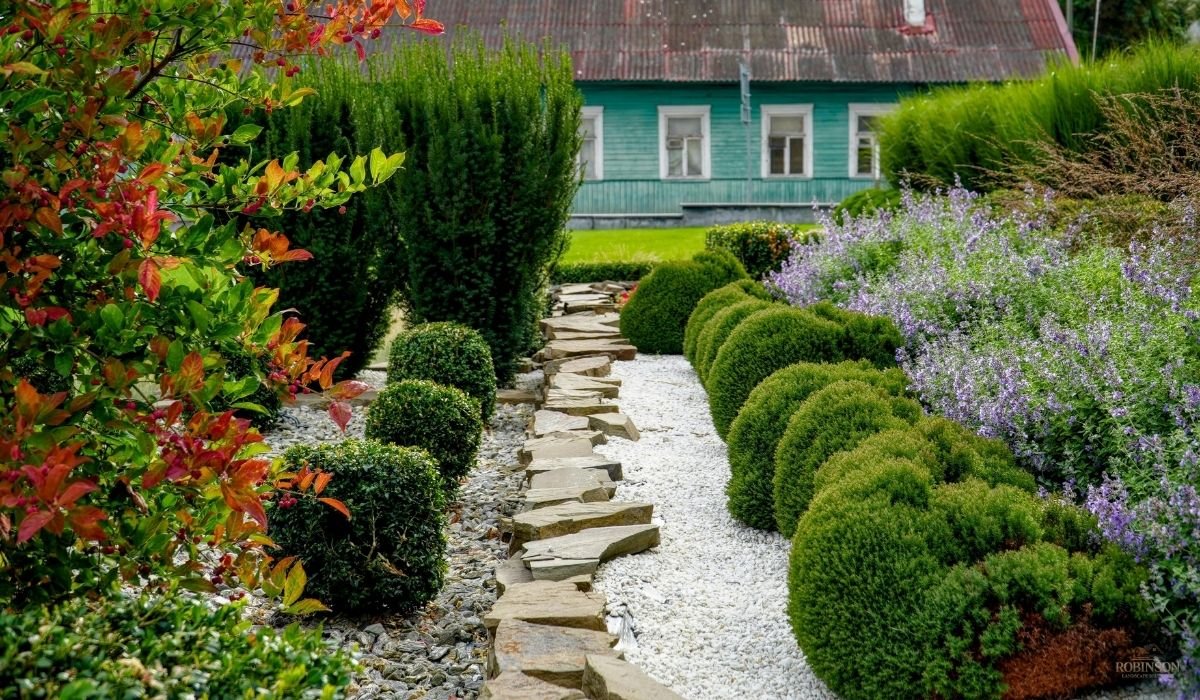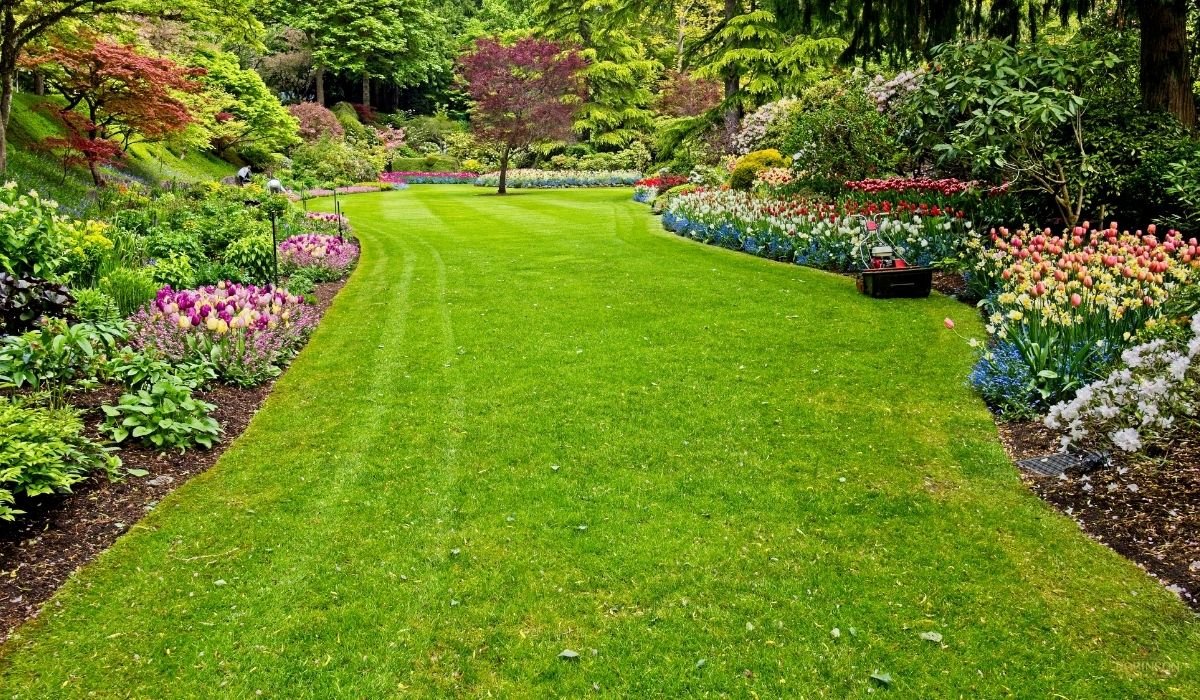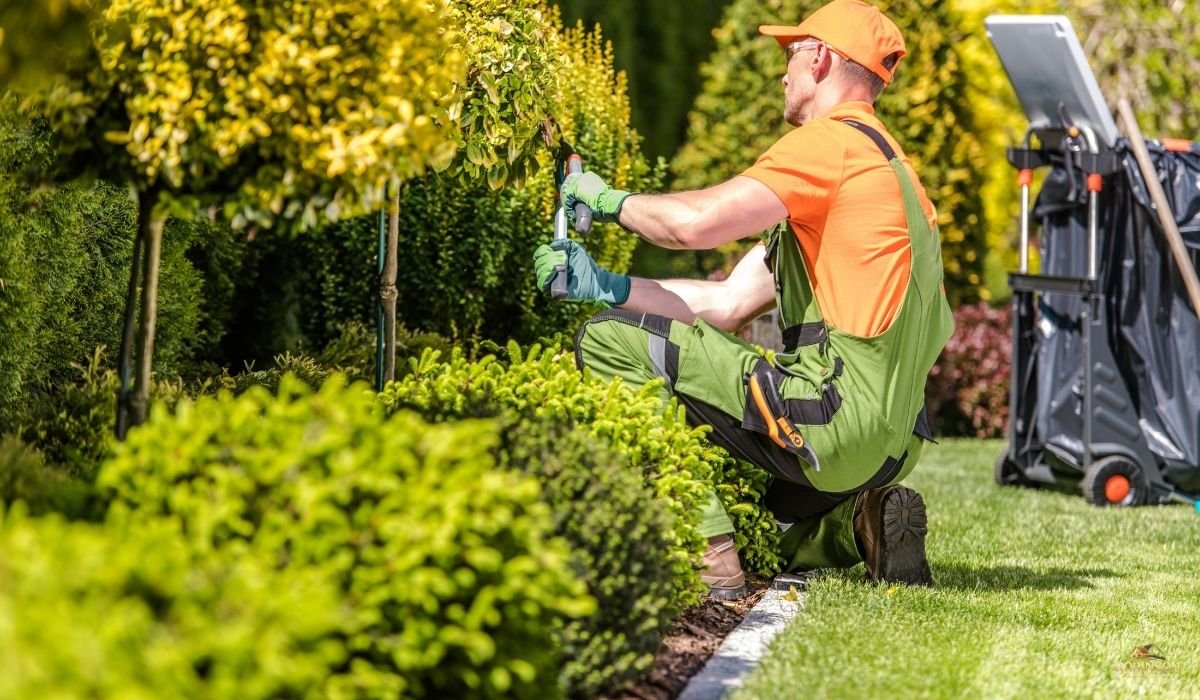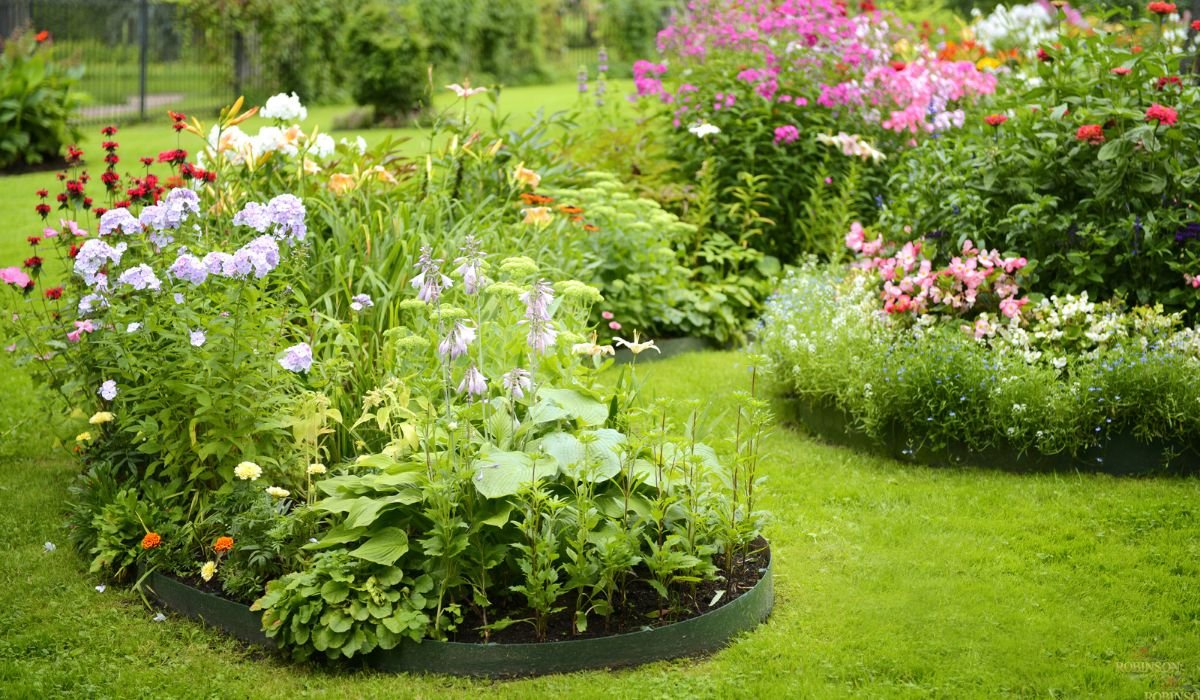
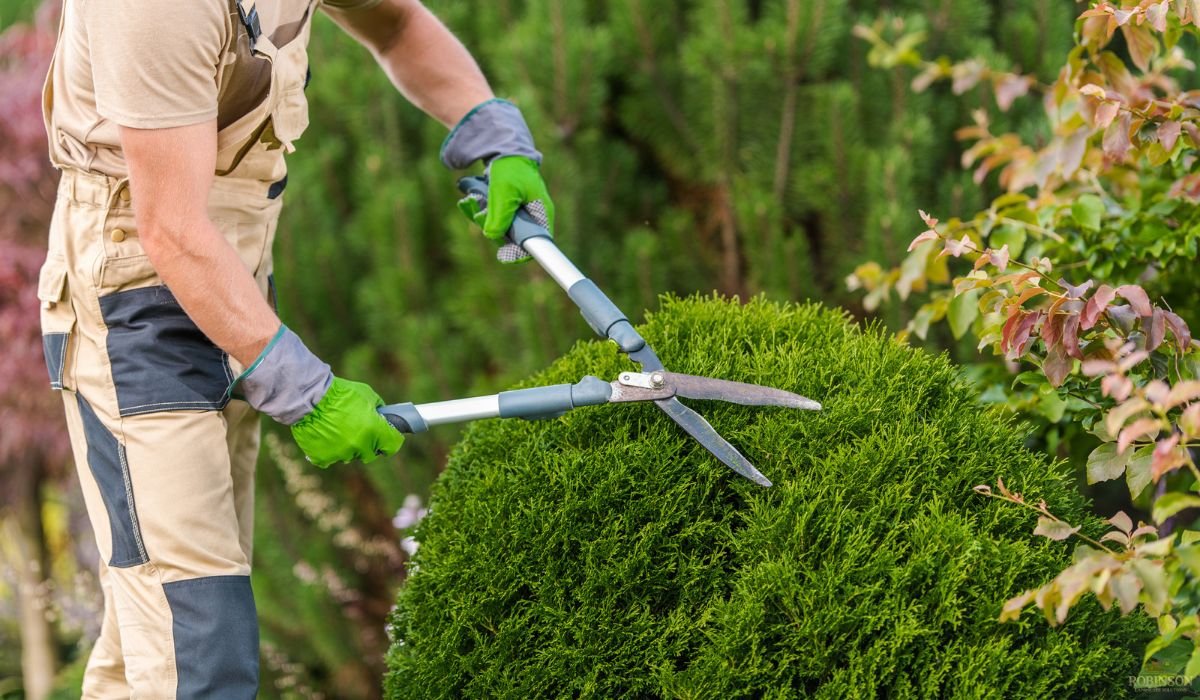

That first house. The first walk around a brand new yard. Just grass, a bare foundation line, and a homeowner standing there with no clue where to start. That blank slate feels big when it’s yours for the first time, and most new gardeners freeze up right there on the back porch.
A 2026 survey from Garden Search found that 61% of people would garden more often if they simply understood how. That number tells us something useful. Most folks in that spot aren’t short on interest. What they’re short on is a starting point.
From our experience working with homeowners across Fort Wayne, that gap closes fast once someone has a plan to follow. This guide covers landscaping for beginners in Fort Wayne step by step, built for anyone facing a first house and an empty yard for the first time.
We wrote this one to sit alongside our other beginner resources. If a reader already covered the basics in our home landscape guide, this piece picks up where that one left off.
Once the beds are in the ground, our upcoming post on common landscaping mistakes rounds out the picture. And for anyone who wants the full roadmap before diving into specifics, this landscaping 101 page ties every stage together in one place.
Short Summary
- Watch how sunlight moves across your entire yard before buying a single plant
- Pick one goal for your first season: curb appeal or low-maintenance landscaping
- Sketch your beds, set a budget, and follow the correct planting order
- Choose zone 6a plants suited to Fort Wayne winters, and check the local invasive species list
- Build good soil first, then mulch two to three inches deep
- Keep up a simple maintenance routine of deep watering, small weed pulls, and regular mowing
- Prep the yard for winter with one final mulch layer before the ground freezes
How to Start Landscaping Your First Yard
Every great yard starts with a little homework, not a shopping trip. Give yourself a week to watch and plan before a single plant goes in the ground. It pays off.
Watch How the Sun Moves Across Your Yard
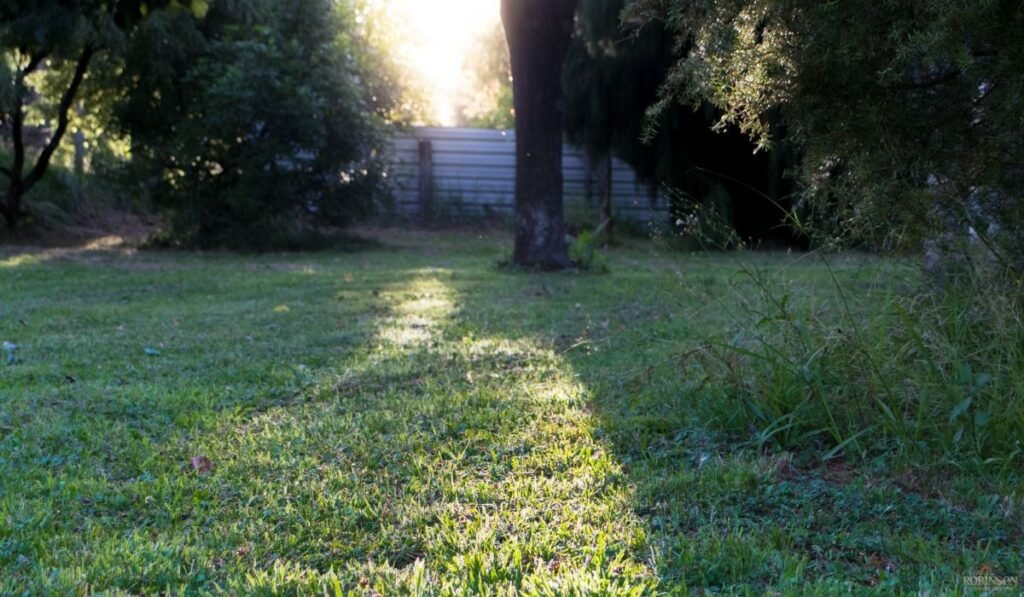
Grab a notebook. For a week, check your yard three times a day and jot down where the sun hits. South-facing beds near the house often bake all afternoon, especially by July. The east side usually gets a softer morning light, gentle enough for plants that scorch easily elsewhere.
Then there are those stubborn corners under a big maple or along a fence line that stay in full shade no matter the season.
Here’s the thing: your front yard and backyard rarely behave the same way. A front bed near the entry might get blasted with reflected heat off the driveway. The backyard, shaded by the house itself, could stay cooler well into afternoon. Map both separately.
Decide What You Want the Space to Do
What’s this yard actually for? Most first-year homeowners land on one of two goals. For example, some want strong curb appeal near the entry, something that makes the house look cared for from the street.
Others want a low-maintenance yard that stays tidy without eating up every Saturday.
Pick one. Just one. Chasing both goals in year one is a classic first-timer mistake, and it’s usually why projects stall out by August. Give the whole season to one garden goal, and expand next year once you’ve got a feel for the space.
Let’s Bring Your
Vision To Life
Sketch Your Beds and Set a Budget
You don’t need fancy software here. Paper and pencil work fine. Rough out where your garden beds will sit, how wide they’ll run along the foundation or fence, and whether the edges curve or cut straight.
For example, soft curves tend to look more natural and are easier to mow around than sharp corners. Group your plants in clusters of three or five instead of spacing them out in a single row. It reads fuller, faster.
Once the sketch feels right, put a number on it. Costs scale almost directly with square footage, so a 200-square-foot bed costs roughly double a 100-square-foot one once you factor soil, mulch, and plants. Our lawn square footage calculator can get you a rough figure in minutes.
And if the whole thing feels like more than you want to tackle solo, our landscape design service page walks through what professional help typically runs.

The Order to Tackle Your First Landscaping Project
Homeowners ask us constantly what order to landscape a yard in. Here’s the short version:
- Watch the light
- Sketch the beds
- Fix the soil
- Plant the big things first (trees, shrubs)
- Fill in with perennials and mulch last
Follow that order and you’ll skip most of the rework beginners run into. Skip a step, though, and you’ll likely be redoing it later.
Choosing Plants That Thrive in a Fort Wayne Yard
Picking pretty plants at the garden center feels fun. Picking the right plants for your climate is what actually keeps them alive past August.
Know Your Zone Before You Buy Anything
Fort Wayne sits in USDA hardiness zone 6a. Now remember, that number matters more than most beginners realize. A plant labeled for zone 7 might look great all summer and then die back completely over a hard winter.
Zone 6a means average lows between -10 and -5 degrees Fahrenheit. That’s cold enough to kill plants that aren’t rated for it.
Check the tag before you check the flower.
This is northeast Indiana. Winters here run colder than southern parts of the state, so a plant that thrives in Indianapolis nurseries won’t always survive up here.
Beginner-Friendly Plants That Are Hard to Kill
Some plants just refuse to quit, even under a first-timer’s care. Match these to what you learned watching the sun in H2 #1.
For sun spots:
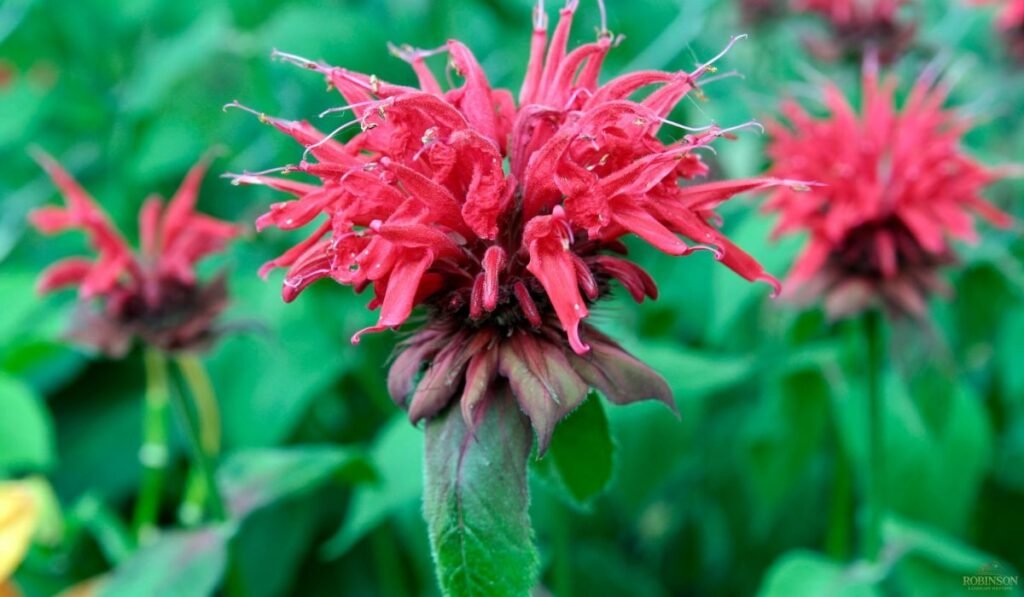
- Bee balm, a pollinator magnet that draws bees and hummingbirds all summer
- Coneflower, tough, drought-tolerant, and reliable once established
- Ornamental grasses like little bluestem, which barely need attention once rooted
For full shade:
- Hosta, close to indestructible and forgiving of missed watering
- Ferns, particularly Christmas fern for year-round structure
- Another ornamental grass option, Northern sea oats, which handles low light better than most grasses
From our experience walking Fort Wayne yards for years, bee balm and little bluestem are the two plants that consistently pull through even when a beginner forgets to water for a stretch. That’s not a coincidence. Both evolved for exactly this climate.
Annuals, Perennials, or Seeds for Your First Year
Quick breakdown. Annuals give instant color with zero long-term commitment, but they’re gone by frost. Perennials cost more upfront and return year after year, building real value over time. Seeds work too, if you enjoy the slower process of watching something grow from scratch.
For a first season, lean perennial. You’ll get more for your money over three years than annuals ever deliver.
Where to Buy Plants and One Thing to Ask
Local garden center versus ordering online? Local wins for beginners, nearly every time. Staff there know what actually survives Fort Wayne winters, and they can flag a plant that looks great in photos but struggles here.
Ask one question before you check out: is this plant on Indiana’s restricted list? The state’s Terrestrial Plant Rule bans the sale of 44 invasive species, including several honeysuckles and Japanese barberry, so if you’re unsure, ask staff directly. They’ll know.
One more thing. Give trees and shrubs more room than they look like they need at planting time. That skinny sapling triples in width within a few years, and crowding it now just means moving it later.
Soil, Mulch, and the Maintenance That Keeps It Alive
Bad dirt is bad dirt, and no amount of great plants can save it. So go get the ground right first, and everything above it gets easier.
Good Soil Matters More Than Good Plants
Working organic matter into a bed before planting is probably the most impactful action you can take here. It beats any fancy plant choice you’ll make later.
For a typical bed, mix in two to three inches of compost across the surface. Work it into the top six to eight inches of soil with a shovel or garden fork.
That’s it.
Skip this step, and even the toughest perennial struggles in compacted Fort Wayne clay.
Mulch Does Half the Work for You
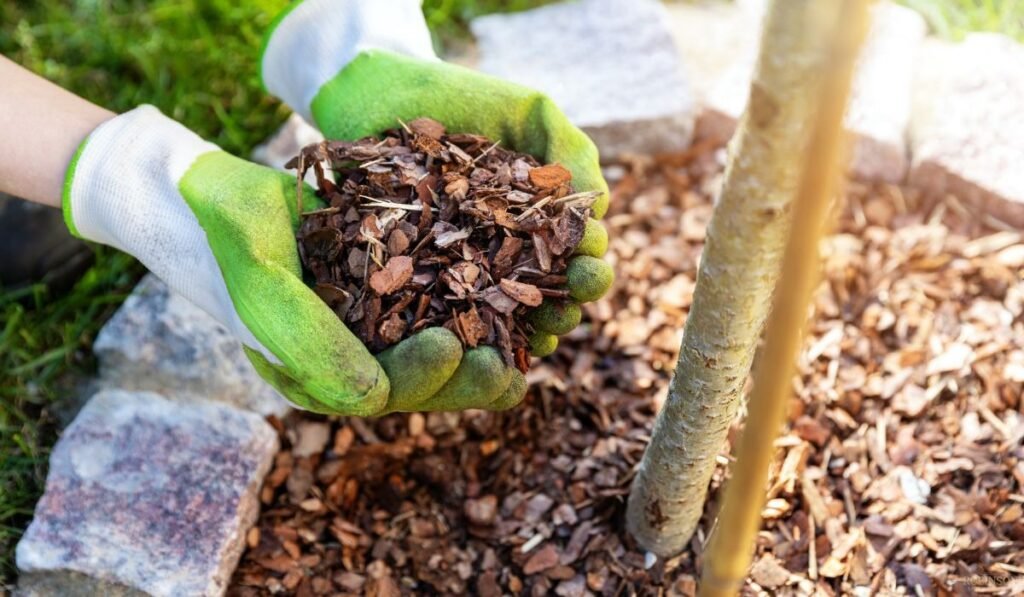
Once your bed is planted, mulch takes over the heavy lifting. Two to three inches spread evenly does three things at once:
- helps retain moisture
- blocks weed seeds from sprouting
- keeps soil temperature steady through hot afternoons
Here’s a tip most beginners overlook: shredded leaves. Bag your fall leaves, run them over with a mower, and you’ve got free mulch sitting in your garage.
Which brings us to one warning worth repeating. Never pile mulch against a tree trunk or plant stem. That trapped moisture invites rot and pests, something our seasonal mulch service can help you time correctly if you’d rather not guess.
Watering, Weeding, and Mowing Without Overthinking It
Maintenance doesn’t need a spreadsheet. A simple weekly rhythm covers most of it.
For example, one deep soak with a garden hose does more good than five minutes of daily sprinkling. Deep watering pushes roots downward, building a plant that can handle dry stretches later.
Pull weeds while they’re small and the roots haven’t anchored yet (much easier than fighting an established one in July, that’s for sure).
Don’t forget the lawn. It’s still most of your yard, and it needs its own mowing and watering routine separate from your beds. Our lawn mowing service page breaks down a schedule that actually works for this climate.
One more thing: if you’re using planters anywhere, check for drainage holes before you plant. Standing water kills roots fast.
Putting the Yard to Bed for Winter
Winter prep is simpler than it sounds. Cut back most perennials once they’ve gone dormant, but leave some standing. Coneflower seed heads feed birds all winter, and ornamental grasses add structure against the snow.
Give beds one last mulch top-up before the ground freezes solid. That’s your whole checklist.
Final Thoughts
A blank yard doesn’t stay blank forever. Watch the light, sketch your beds, and set a budget. That’s step one. Get your soil right and put the big plants in the ground first. That’s step two. Water deep, mulch well, and keep weeds small. That’s step three.
Give it a full season, maybe two, and that empty lot starts looking like a real landscaping project. By the end of year one, most homeowners have their beds established and a lawn that finally looks intentional.
Not sure where to start on your new landscape? Robinson Landscape Solutions offers consultations for Fort Wayne homeowners who want expert eyes on the plan before the first shovel goes in. Visit our homepage to see what else we can help with.